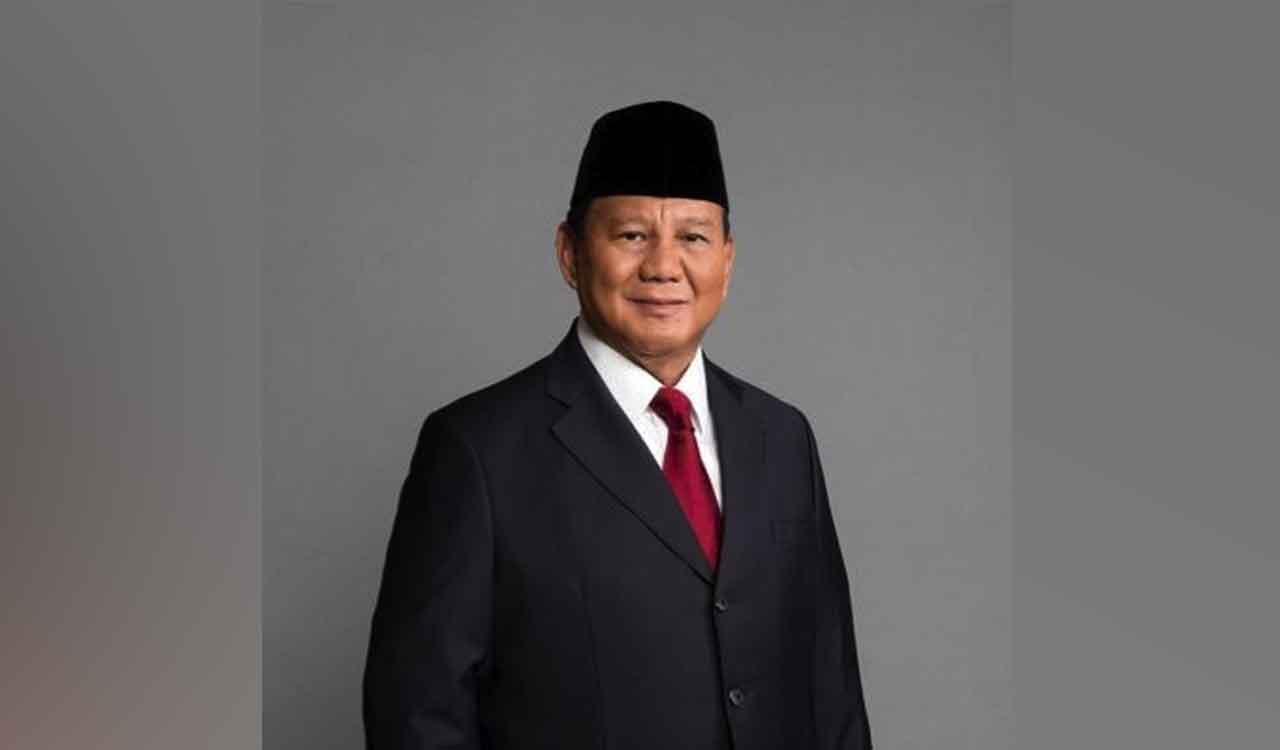
Fadli Zon, Vice President of the Gerindra Party, has warned against attempts by certain factions to incite chaos and the unconstitutional ousting of Indonesian President Prabowo Subianto. These warnings were issued during a press conference in Jakarta, where Zon stressed the necessity of respecting democracy and not succumbing to calls for incitement.
Zon pointed out that some individuals who advocate for democracy do not understand its true meanings, warning that such calls represent a negative culture. He emphasized that constructive criticism is necessary, but it must be based on sound and justifiable foundations, especially if the critic is an academic figure.
Details of the Event
Zon's statements come at a sensitive time when Indonesia is experiencing political tensions, with calls from some political observers to oust President Prabowo. Zon described these calls as irresponsible, noting that Prabowo has contested presidential elections four times before achieving victory, demonstrating his commitment to democracy.
He also mentioned that after completing his military service, Prabowo entered the political arena and founded a political party, reflecting his deep understanding of democratic principles. Prabowo received 58% of the votes in the recent elections, which indicates significant public support for him.
Background & Context
Historically, Indonesia has undergone significant political transformations since the end of dictatorial rule in the 1990s. These transformations have contributed to the strengthening of democracy, yet challenges still face the political system. Prabowo is considered one of the prominent figures in this phase, as he seeks to enhance political and economic stability in the country.
It is noteworthy that Indonesia is the largest Muslim-majority country by population and plays a pivotal role in regional politics. Therefore, any political tensions could impact the stability of the region as a whole.
Impact & Consequences
Calls for the unconstitutional ousting of the president could exacerbate political conditions in Indonesia, potentially negatively affecting the national economy. Such calls may also lead to societal divisions, especially in light of the economic and social challenges facing the country.
It is crucial for Indonesia to remain committed to democratic principles, as any deviation from this path could threaten the gains the country has achieved over the past decades. There should be mechanisms for dialogue and constructive discussion instead of inciting chaos.
Regional Significance
The Arab region is also witnessing similar challenges in some countries, where calls for change are raised through unconstitutional means. Indonesia's experience may serve as an important lesson for Arab nations, emphasizing the need to address political issues through dialogue and effective participation.
In conclusion, hope remains pinned on Indonesia's ability to overcome these challenges and strengthen democracy, which could contribute to the overall stability of the region.