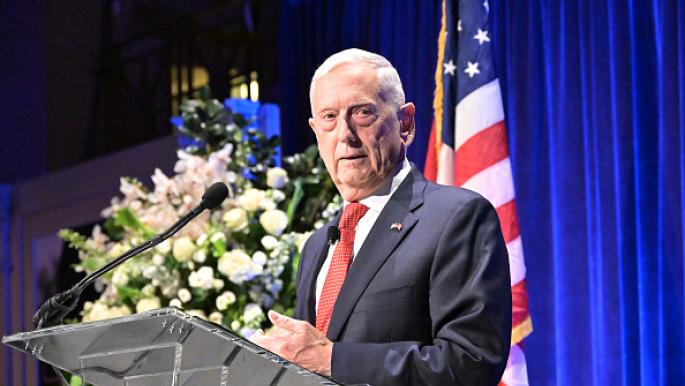
Former U.S. Defense Secretary James Mattis has warned about the eroding trust between the United States and its European allies, indicating that Denmark serves as a stark example of this loss. In remarks made during a seminar, Mattis emphasized that relations between Washington and its allies in the Old Continent are witnessing a noticeable decline, raising concerns about regional and international stability.
Mattis pointed out that the increasing tensions in relations between the United States and European countries stem from several factors, including changing American policies regarding security and defense issues. He added that Iranian actions in the region pose a significant challenge to security, further complicating relations among allies.
Details of the Event
During the seminar, Mattis specifically addressed how U.S. policies affect trust among allies. He considered Denmark, which was once regarded as one of the closest allies of the United States, to be suffering from a loss of trust due to differing positions on various issues, including climate change and military security.
He noted that this situation is not unique but reflects a broader trend in transatlantic relations, where European allies find it difficult to understand the fluctuating American policies, impacting military and economic cooperation.
Background & Context
Historically, relations between the United States and European countries have been built on solid foundations of cooperation and partnership. However, these relations have undergone a significant transformation in recent years, particularly following the tenure of former President Donald Trump. The administration adopted a policy that...
...has led to increased skepticism among European allies regarding U.S. commitments, especially in the face of global challenges such as terrorism and climate change. The shift in U.S. foreign policy has left many allies questioning the reliability of their partnership with Washington.
Impact & Consequences
The implications of this eroding trust could be profound. As Mattis pointed out, the loss of confidence may lead to a fragmentation of traditional alliances, with European nations potentially seeking alternative security arrangements. This shift could embolden adversaries like Iran, who may exploit the disarray among Western allies.
Furthermore, the increasing Iranian influence in the region poses a direct threat to the security of Arab nations, necessitating a reevaluation of their security strategies to address the growing challenges. The potential for increased Iranian aggression could destabilize the already volatile Middle East, impacting global security.
Regional Significance
The statements made by Mattis shed light on the growing crisis of trust between the United States and its allies, which could significantly affect regional and international stability. The rise of Iranian influence in the region represents a threat to Arab security, prompting a need for a unified response among Arab nations.
In conclusion, the current geopolitical landscape necessitates a reassessment of alliances and strategies to ensure that the interests of all parties involved are safeguarded in an increasingly complex world.