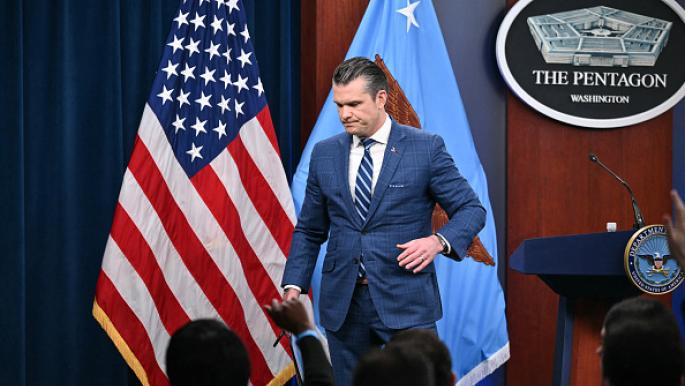
U.S. Secretary of Defense Pete Hegseth emphasized that Iran faces two options: either voluntarily surrender its enriched uranium or the United States will take measures to obtain it through other means if necessary.
Hegseth's statements come at a sensitive time of escalating tensions between Washington and Tehran, as the U.S. administration seeks to pressure Iran to comply with international agreements related to its nuclear program.
Details of the Statement
During a press conference, Hegseth stressed that the United States would not hesitate to take decisive steps to ensure that Iran does not acquire nuclear capabilities. He noted that the U.S. government is closely monitoring Iranian nuclear activities and is prepared to respond to any violations.
These remarks come amid growing concerns that Iran may resume enriching uranium at higher levels, which could exacerbate the situation in the region. The United States has expressed its readiness to use all available options, including military options, if Iran continues to challenge the international community.
Background & Context
Historically, relations between the United States and Iran have been tense, especially following Washington's withdrawal from the nuclear agreement in 2018. Since then, the United States has imposed strict sanctions on Iran, significantly impacting its economy. In response, Iran seeks to bolster its nuclear program as a means to exert pressure on the West.
Recent moves by Iran to enrich uranium may be part of its strategy to respond to U.S. pressures. However, the international community, including European nations, urges Iran to return to the negotiating table and comply with previous agreements.
Impact & Consequences
If Iran continues to enrich uranium at higher levels, it could escalate tensions in the Middle East. The United States may find itself compelled to take more severe actions, potentially dragging the region into open conflict.
Furthermore, any escalation in the conflict could affect global oil prices, as the region is considered one of the largest oil producers in the world. This could lead to rising prices and impact the global economy overall.
Regional Significance
Neighboring Arab countries, such as Saudi Arabia and the UAE, are among those most affected by developments in Iran's nuclear situation. Any escalation could lead to increased military tensions in the region, threatening security and stability.
Arab nations may find themselves needing to reassess their security and defense strategies in the face of potential threats from Iran, which could lead to an arms race in the region.
In conclusion, Hegseth's remarks highlight the increasing tensions between the United States and Iran, raising concerns about the future of regional security. These statements also reflect the U.S. readiness to take stringent actions should Iran fail to comply.