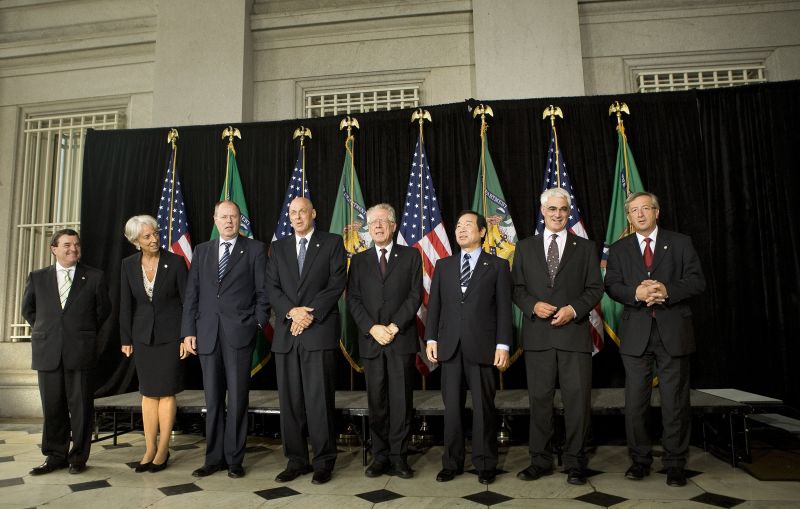
Christine Lagarde, President of the European Central Bank, warned that the economic repercussions of the war on Iran will not be short-term, during a virtual meeting of the G7. This warning directly responded to estimates from U.S. Treasury Secretary Scott Basset, who believed the effects of the conflict would be temporary.
Bloomberg reported from sources familiar with the meeting, which included central bank governors and finance and energy ministers from the group, that Lagarde emphasized the extent of the damage to energy infrastructure and supply chains makes it difficult to contain the shock in a short period. She noted that "much has already been destroyed and cannot be repaired in months."
Details of the Meeting
While Basset downplayed the extent of the damage, considering that market disruptions, including the actual closure of the Strait of Hormuz, would remain temporary, Lagarde warned that the repercussions of the war extend beyond a transient shock, especially as the extraction, refining, and distribution sectors are affected. This disparity reflects the widening gap between the United States and Europe in assessing economic risks, as European economies appear more exposed to rising energy prices and shipping disruptions due to their heavy reliance on imports.
Initial indicators show that the impact of the war has already begun to seep into the European economy, with inflation rates in the Eurozone recording the highest increase since 2022 in March, alongside governments in the bloc lowering their growth forecasts amid fears that the recovery path may turn into a recession.
Context and Background
In a related context, Lagarde warned in an interview with The Economist that the world faces a "real shock that may exceed what can currently be imagined," indicating that the damage to energy infrastructure complicates the process of restoring supplies to normal levels. The European Central Bank's severe scenario is based on the assumption that energy supply disruptions will continue until late 2026, which could push inflation to peak at around 6.3% if damages worsen and supply chains continue to be disrupted.
In contrast, Washington bets on the markets' ability to absorb the shock, with Basset confirming that the oil market still enjoys sufficient supplies and that the Strait of Hormuz could be gradually reopened, allowing oil flows to return to normal.
Consequences and Impact
In an effort to contain the repercussions, finance and energy ministers from the G7 confirmed their readiness to take "all necessary actions" to ensure the stability of energy markets, including coordinating policies and drawing from strategic reserves when necessary. The final statement of the meeting emphasized the importance of "coordinated international action" to mitigate the crisis's impact on the global economy, given the increasing interconnectedness between energy markets and financial stability, and the widening scope of risks stemming from the ongoing war.
Concerns are growing that these repercussions may exacerbate economic conditions in Europe, where many countries rely on imported energy, making them more vulnerable to economic shocks resulting from regional conflicts.
Impact on the Arab Region
For the Arab region, the repercussions of the war on Iran may lead to increased tensions in energy markets, affecting oil prices and increasing economic pressures on oil-importing countries. Additionally, ongoing supply disruptions may negatively impact investments in the energy sector in the region, hindering economic development efforts.
In conclusion, it appears that the repercussions of the war on Iran will continue to affect the global economy for a long time, necessitating coordinated international actions to ensure market stability and mitigate the negative impact on the most affected economies.