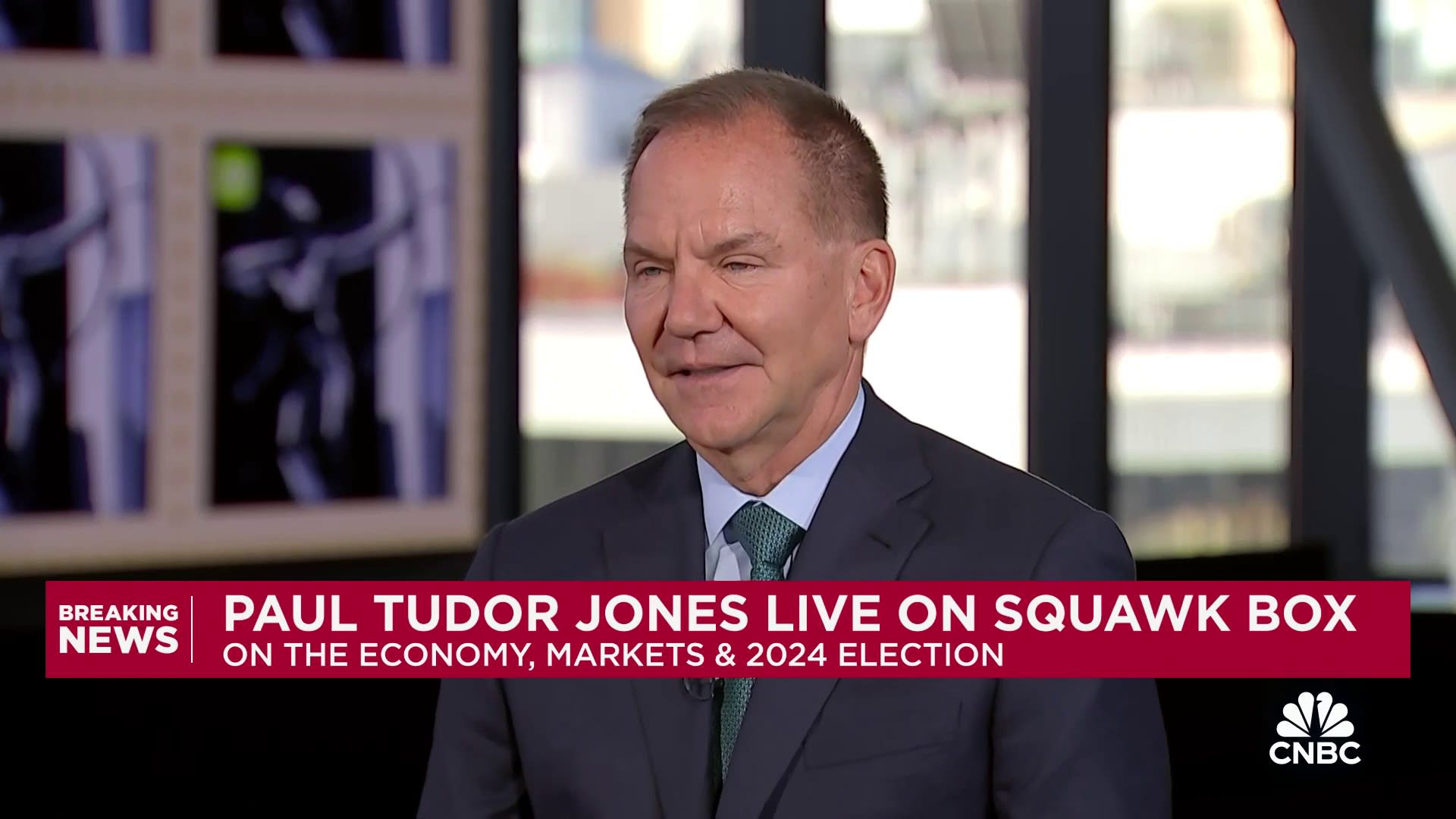
Billionaire hedge fund manager Paul Tudor Jones issued a strong warning on Thursday, asserting that the United States is behind in regulating artificial intelligence. During his appearance on CNBC's Squawk Box, Jones stated, "We need to do this tomorrow. We are already late. We should have done this a long time ago."
Jones pointed out that governments need to implement watermarks on AI-generated content to differentiate between real and fake material, amid growing concerns about the risks associated with advanced technology. He also revealed that he recently purchased more shares in AI companies, reflecting his confidence in the future of this industry.
Event Details
At a recent conference that brought together experts in artificial intelligence and model makers, Jones noted that approximately 80% of the attendees supported AI regulation, compared to only 20% last year. One corporate leader at the conference expressed surprise at the lack of regulations in this growing sector.
Over the years, lawmakers and experts have called for the establishment of laws aimed at reducing risks related to safety, privacy, and security associated with this emerging technology. In 2024, the European Union passed the Artificial Intelligence Act, while some U.S. states have passed or proposed their own legislation, specifically targeting child safety.
Background & Context
Competition between the United States and China in the field of artificial intelligence is intensifying, with both nations striving to lead in developing the best models and strategies. Reports from the Wall Street Journal this week indicated that both countries are considering holding formal discussions on AI during an upcoming meeting between former U.S. President Donald Trump and Chinese President Xi Jinping.
In this context, Jones emphasized that "everyone wants the best for their people," indicating that he does not believe China wishes to "remove" the United States from the arena. He underscored the importance of dialogue between the two countries regarding AI safety.
Impact & Consequences
Jones's statements serve as an urgent call for U.S. officials to reconsider their policies regarding AI regulation. As the use of this technology increases across various sectors, it is crucial to establish a legal framework that protects users and ensures their safety. Failing to take swift action could exacerbate the risks associated with AI, such as the spread of misinformation and security threats.
Moreover, delays in regulating AI could place the United States at a disadvantage in the global competition, especially with China's advancements in this field. The absence of clear regulations may lead to the proliferation of harmful uses of technology, necessitating a rapid response from decision-makers.
Regional Significance
In light of these developments, Arab countries must consider the importance of regulating artificial intelligence. As reliance on technology increases across various sectors, it is essential to develop clear strategies to protect users and ensure safe and responsible use of this technology. International experiences, such as those undertaken by the United States and the European Union, can serve as a model for the region.
In conclusion, regulating artificial intelligence represents a vital step toward achieving a balance between innovation and community protection. International dialogue and cooperation will be essential to ensure the safe and effective use of this technology.