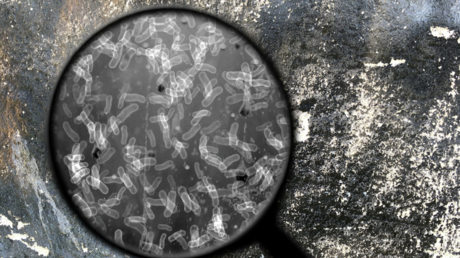
Scientists have warned that the anthrax bacteria, a deadly pathogen that can be fatal if left untreated, may be silently present beneath some American homes and in the surrounding soil. This bacterium, scientifically known as Bacillus anthracis, is considered one of the dangerous microbes that can lead to outbreaks of fatal diseases among humans and animals.
These warnings come at a time when concerns are increasing about the impact of climate change on the spread of infectious diseases. Studies indicate that rising temperatures and humidity may contribute to the reactivation of this bacterium, which has been dormant for long periods.
Details of the Discovery
Reports have indicated that scientists have detected the presence of the bacteria in certain areas of the United States, raising concerns about the potential for an outbreak of infection. The bacteria can be transmitted through inhalation of spores or through skin contact, making it a potential threat to individuals living in affected areas.
Anthrax is considered to be nearly eradicated in many countries; however, its presence in American soil indicates an urgent need for preventive measures. Scientists are calling for comprehensive soil testing in at-risk areas, especially in rural regions where livestock may be raised.
Background & Context
Historically, anthrax has been regarded as a common disease in certain areas, particularly in regions where agriculture and animal husbandry are practiced. However, advances in medicine and vaccines have significantly reduced its prevalence. Yet, with climate change, environmental dynamics may shift, presenting new threats.
In recent years, there has been an increase in the number of infectious diseases that were once considered under control, raising questions about how environmental changes affect public health. The bacterium, once considered rare, may return to pose a real threat.
Impact & Consequences
If this threat is not addressed urgently, it could lead to a widespread outbreak of infection, placing additional pressure on the healthcare system. In the event of an outbreak, there will be an urgent need to provide treatment and healthcare for those affected, which could lead to increased healthcare costs.
This situation may also impact public confidence in the safety of food and animal products, potentially leading to a decline in the local economy. Therefore, the current warnings require a swift response from health and environmental authorities.
Regional Significance
Although anthrax is not common in Arab countries, its presence in American soil may raise concerns about the possibility of its transmission to other regions through trade or travel. Arab nations should be aware of these risks and take necessary precautions to protect their populations.
Public health is a primary priority in the region, so any new threats require a rapid response and cooperation among countries to address global health risks.
The warnings regarding the presence of anthrax bacteria in American soil highlight the importance of health and environmental vigilance. Governments and stakeholders must take effective steps to ensure community safety and prevent any potential outbreaks.