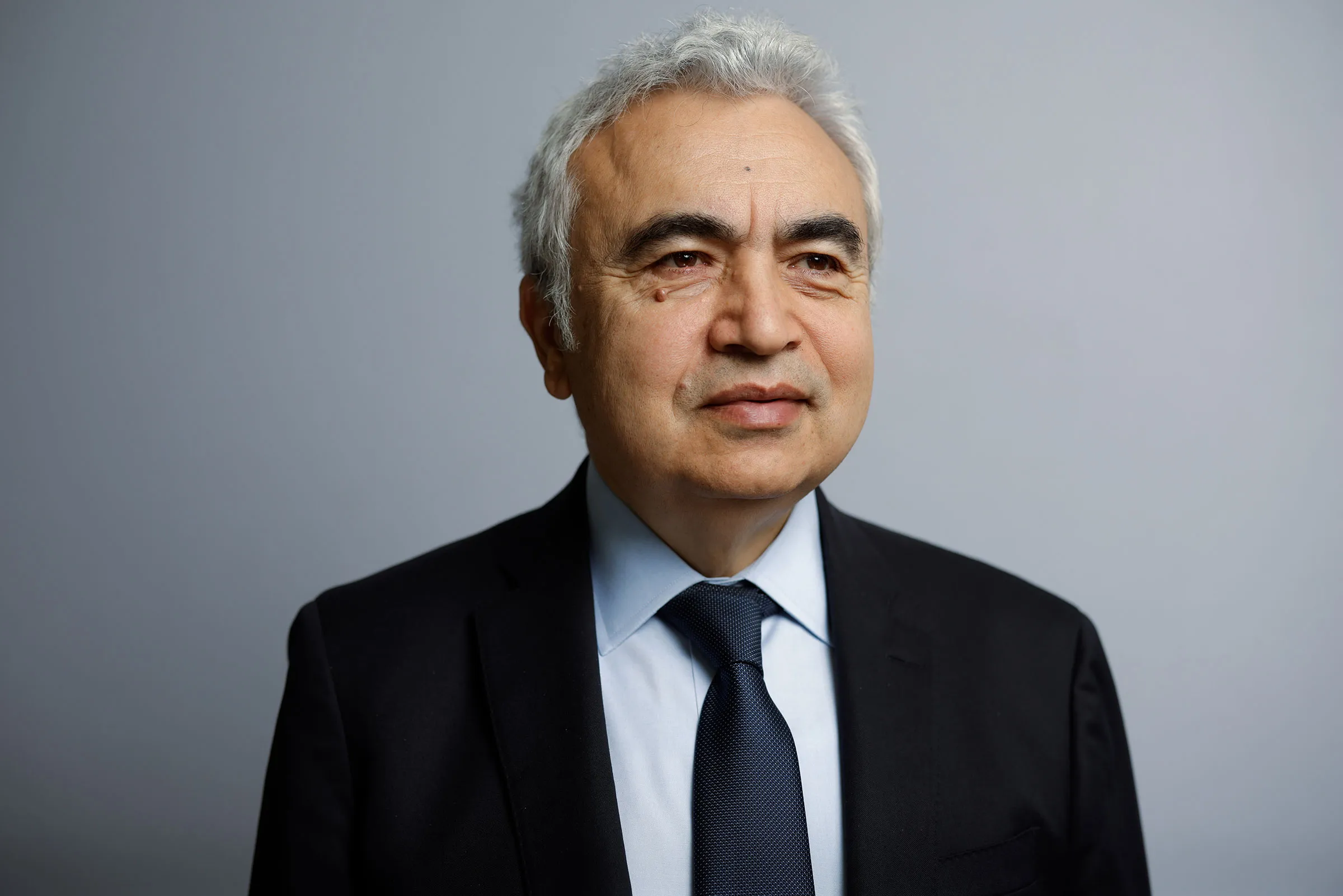
Fatih Birol, the head of the International Energy Agency, has warned that the energy crisis resulting from the conflict in the Middle East could lead to what he describes as 'Black April', stating that this crisis is the worst the world has ever faced. Birol emphasized that these challenging circumstances will ultimately accelerate the development of renewable energy sources and nuclear power.
These statements come at a critical time, as Iran has closed the Strait of Hormuz, which is considered the lifeline for oil and liquefied natural gas supplies, since the onset of the U.S.-Israeli attack on it. This closure raises significant concerns about the stability of global energy markets, which heavily rely on these vital corridors.
Details of the Event
Tensions are escalating in the Middle East, where political and military dimensions intersect with economic factors. Birol noted that this crisis could lead to unprecedented increases in energy prices, affecting global economies, particularly those heavily reliant on energy imports.
He also confirmed that energy-consuming countries will face significant challenges in securing their supplies, potentially exacerbating economic and social crises in many nations. In this context, Birol urged countries to enhance their investments in renewable energy as a means to mitigate the impacts of these crises.
Background & Context
Historically, the Middle East has witnessed numerous energy-related crises, but the current situation appears more complex due to the intertwining of political crises with economic dimensions. Since the beginning of the conflict in the region, oil prices have experienced sharp fluctuations, impacting economic stability in many countries.
The International Energy Agency is a leading entity in providing analyses and studies on energy markets, and it has issued several reports warning of the potential risks that may arise from the continuation of conflicts in the region. These reports highlight the importance of international cooperation in addressing energy-related challenges.
Impact & Consequences
Forecasts indicate that the continuation of the crisis could worsen economic conditions in developing countries, where these nations will struggle to secure energy supplies at reasonable prices. Additionally, rising prices could lead to increased inflation, affecting citizens' purchasing power.
Moreover, these crises may lead to heightened social and political tensions in many countries, as pressures on governments will increase to address the growing economic crises. In this context, countries must take proactive steps to mitigate the effects of these crises.
Regional Significance
For Arab countries, the impact will be particularly noticeable. Many of these nations rely on oil and gas revenues, and thus any fluctuations in energy prices will directly affect their economies. The increasing crises may also exacerbate humanitarian conditions in some areas, necessitating an urgent response from the international community.
In conclusion, the current energy crisis in the Middle East represents a significant challenge for the entire world, calling for enhanced international cooperation and the development of new strategies to ensure the sustainability of energy supplies.