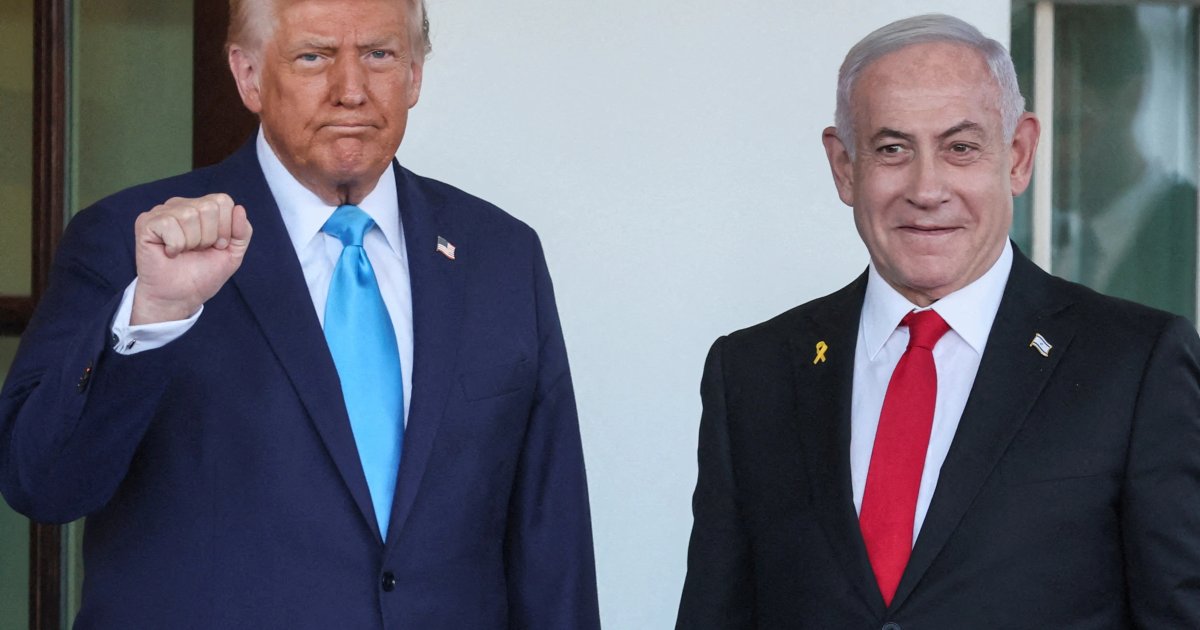
U.S. Vice President Mike Pence stated that the ceasefire agreement reached in Gaza is considered 'fragile', reflecting the significant challenges facing peace efforts in the region. Pence noted that President Donald Trump is eager to achieve tangible progress in this regard, amidst rising violence and protests in the Palestinian territories.
Pence made these remarks during a press conference, expressing concern over the ongoing escalation in the Israeli-Palestinian conflict. He clarified that the U.S. administration is working to enhance mediation efforts among the involved parties, focusing on achieving long-term stability in the region.
Details of the Situation
In recent days, there has been an escalation in military operations between Israel and Palestinian factions, resulting in numerous casualties. A ceasefire was announced following international mediation; however, Pence warned that this agreement may not hold for long if the root causes of the conflict are not addressed.
He also pointed out that the U.S. administration is seeking to provide greater support for humanitarian efforts in Gaza, where residents are suffering from the ongoing conflict's repercussions. He affirmed that the United States will continue to work with its allies in the region to achieve peace and stability.
Background & Context
Historically, the Israeli-Palestinian conflict has seen numerous attempts at ceasefires, but most have failed to yield lasting results. This is due to the complexities of the political, economic, and social situation in the region, along with the deep-seated differences between the involved parties.
The United States is considered a key player in the peace process, having previously announced a peace plan; however, reactions to it have been mixed, complicating the situation further. In this context, Pence's remarks underscore the urgent need to reassess the strategies being employed.
Impact & Consequences
Pence's statements highlight the importance of reaching a comprehensive solution to the conflict, as the continuation of the current situation could exacerbate humanitarian conditions in Gaza and heighten tensions in the region. Additionally, the failure of the ceasefire agreement could negatively impact relations between the United States and Arab countries.
Moreover, any new escalation could have political repercussions at the international level, increasing pressure on the international community to intervene more effectively. This could reflect on peace efforts in other parts of the world.
Regional Significance
The implications of Pence's remarks are significant, indicating the challenges facing peace efforts in a region plagued by ongoing conflict. This situation calls for the international community's attention and action to address the underlying issues.
As tensions continue to rise, the need for a sustainable resolution becomes increasingly critical, not only for the affected populations but also for regional and global stability.