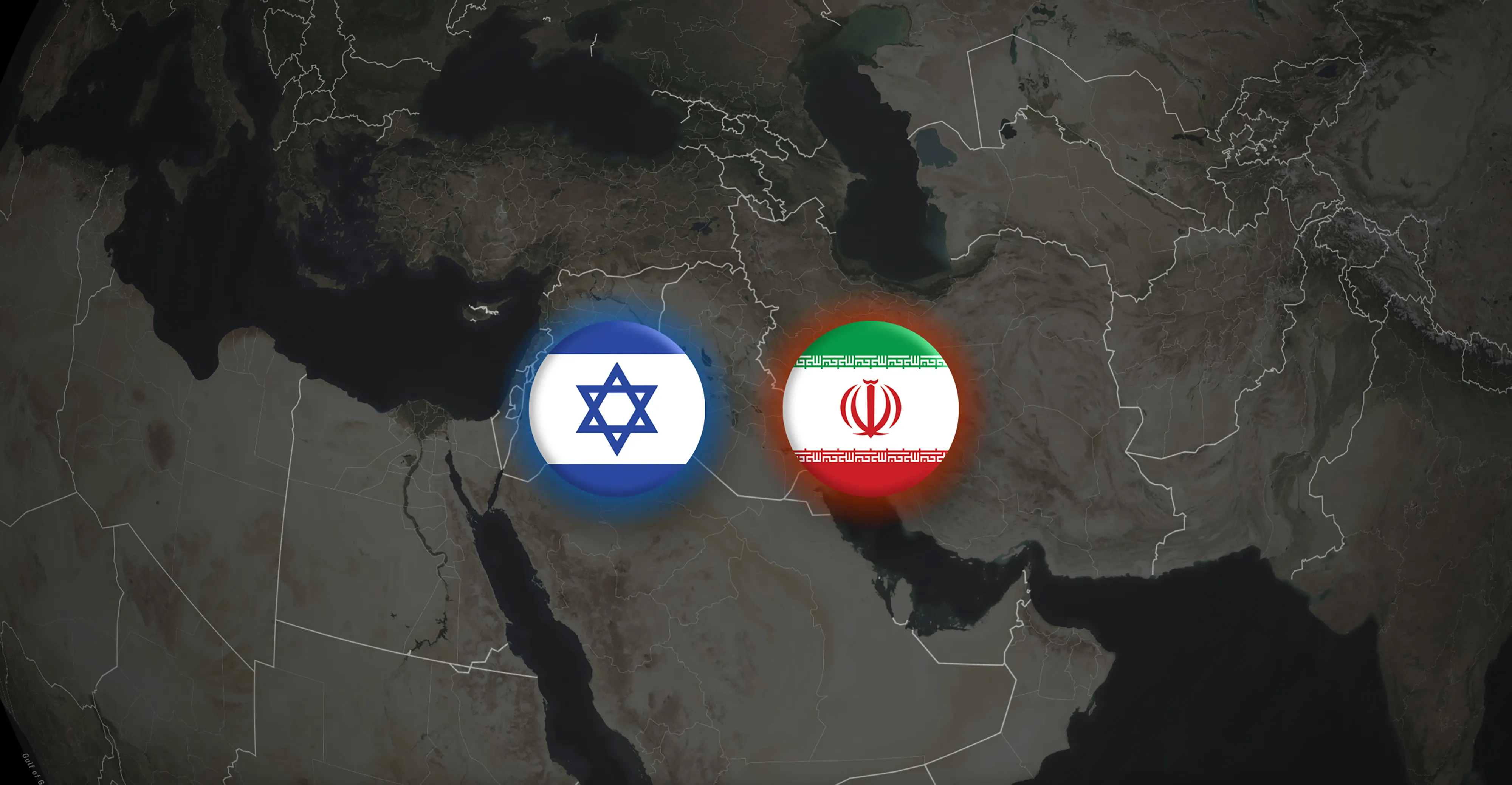
Bob Michele, head of fixed income at JPMorgan Asset Management, has stated that the global bond market may have already absorbed the worst-case scenarios, amid escalating geopolitical crises, particularly the war in Iran and rising inflation rates. Michele emphasized that markets should be allowed to move freely, indicating that investors are unable to accurately predict market trajectories under current conditions.
These remarks come at a sensitive time, as fears mount regarding the impact of the war in Iran on global economic stability. The ongoing conflict in the region could exacerbate economic conditions, increasing inflationary pressures and negatively affecting bond yields.
Details of the Situation
Attention is currently focused on financial markets, where tensions in the Middle East are rising. The war in Iran, which began in recent months, could lead to increased oil and commodity prices, contributing to higher inflation rates. Michele pointed out that these factors could lead to significant volatility in the bond market, as investors react to news and geopolitical developments.
In light of these circumstances, many analysts expect continued pressure on government bonds, which could lead to rising yields. Recent data has shown that investors have begun to reassess their bond investments, reflecting a state of uncertainty in the markets.
Background & Context
Historically, financial markets have been significantly affected by geopolitical events, especially in the Middle East. The war in Iran is not new, but the current escalation comes at a sensitive time when the global economy is still reeling from the effects of the COVID-19 pandemic and rising inflation. In recent years, we have witnessed numerous crises that have impacted market stability, making the current situation more complex.
Furthermore, rising inflation rates in several major countries, such as the United States, may complicate matters further. Many expect central banks to adopt tighter monetary policies, which could significantly impact the bond market.
Impact & Consequences
The potential consequences for the bond market due to geopolitical crises are manifold. Rising commodity prices could lead to increased borrowing costs, affecting companies and investors alike. Additionally, instability in the markets may drive investors to seek safe havens, increasing demand for government bonds.
However, this demand may not be sufficient to offset inflationary pressures, potentially leading to significant price volatility. Consequently, investors need to exercise caution in their investment decisions amid these changing conditions.
Regional Significance
The Arab region is among the most affected by geopolitical crises, with events in Iran playing a significant role in regional stability. The war in Iran could heighten tensions in neighboring countries, impacting investments and local economies. Moreover, rising oil prices due to the conflict could have a dual effect, bolstering some economies while harming others that rely on oil imports.
Ultimately, the current situation requires investors and analysts to closely monitor developments, as any changes in geopolitical conditions could directly affect financial markets, including the bond market.