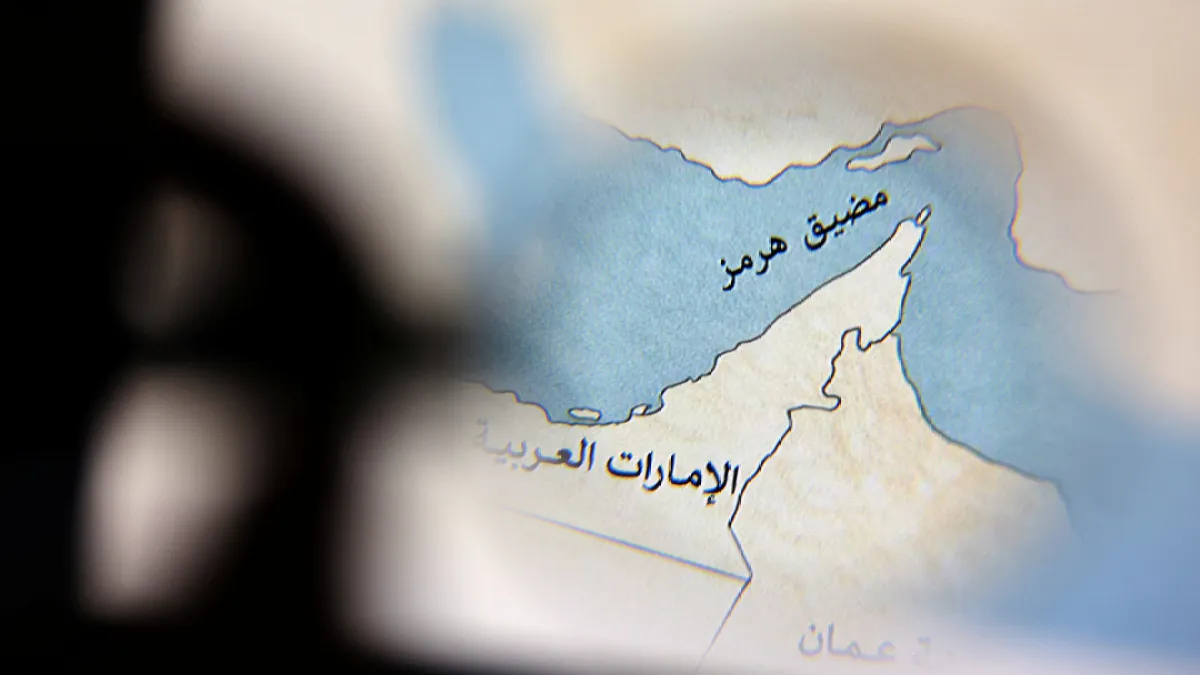
Dr. Mohammed Al-Masfar, a professor of political science at Qatar University, has asserted that the true enemy of the Arabs is Israel, while Iran remains a potential adversary. In an interview with Al Jazeera Mubasher, Al-Masfar cautioned that the involvement of Gulf states in the ongoing confrontation alongside the United States would be a "grave sin" that could lead to comprehensive destruction in the region.
He described the regional scene as "extremely dark," indicating that the area is moving into complete darkness without a clear end to the conflict, amidst a rapid military escalation led by the United States in support of Israel, contrasted with Iranian responses that complicate the situation further.
Details of the Current Situation
Al-Masfar pointed out that the pace of military operations, including the use of advanced weaponry, far exceeds mediation efforts, significantly reducing the chances for de-escalation in the near term. He criticized Iran for its poor management of relations with its Gulf neighbors, arguing that its attacks on Gulf states, including those that had maintained good relations with it such as Qatar and Oman, have deepened the crisis and pushed the region into a state of instability.
He stated that Gulf states have not lost all their leverage yet, but they are moving very slowly due to being under two main pressures. He strongly warned against any Gulf military involvement in the war, emphasizing that the infrastructure in Gulf countries is "fragile" and vulnerable to destruction, especially given their reliance on vital facilities such as water desalination and electricity plants located near the coasts.
Context and Background
Al-Masfar's statements come at a time when the region is witnessing increasing military escalation, with rising tensions between Iran and the United States, raising fears of a broader conflict. In recent years, there has been a surge in Israeli military activities in the region, further complicating the security situation in the Gulf.
The absence of a unified Arab stance condemning Israeli attacks on Iran raises questions about the Arab states' ability to confront regional challenges. Arab countries have been accustomed to condemning other international conflicts, making the lack of a similar stance towards Israel a cause for concern.
Consequences and Impact
Many analyses warn that any Gulf military involvement in the conflict could lead to resource depletion and increase internal tensions. Moreover, reliance on external powers, such as the United States, may not be an effective solution, as these powers often prioritize their own interests over those of their allies.
In this context, Al-Masfar believes that the Iranian threat to Gulf states is partly due to internal weaknesses within these countries, whether in terms of political divisions or the absence of military unity, which has allowed Iran to build influence within some communities. He emphasizes that the solution lies in building genuine self-reliance, rather than depending on external forces.
Impact on the Arab Region
The current circumstances require Gulf states to reassess their security and defense strategies. Al-Masfar highlights the importance of establishing an independent defense system based on local manufacturing and unified military decision-making, rather than relying on imported weapons.
Furthermore, any regional initiative, such as the upcoming meeting in Pakistan involving Islamic countries, could contribute to halting the war if there is political will. Al-Masfar asserts that Arab states possess economic and political leverage that can be utilized to enforce a ceasefire.
In conclusion, the situation in the region remains complex, requiring Arab states to take clear and effective positions to address the escalating challenges. The absence of unity and coordination among Arab countries could exacerbate crises, necessitating collective action to achieve stability and security in the region.