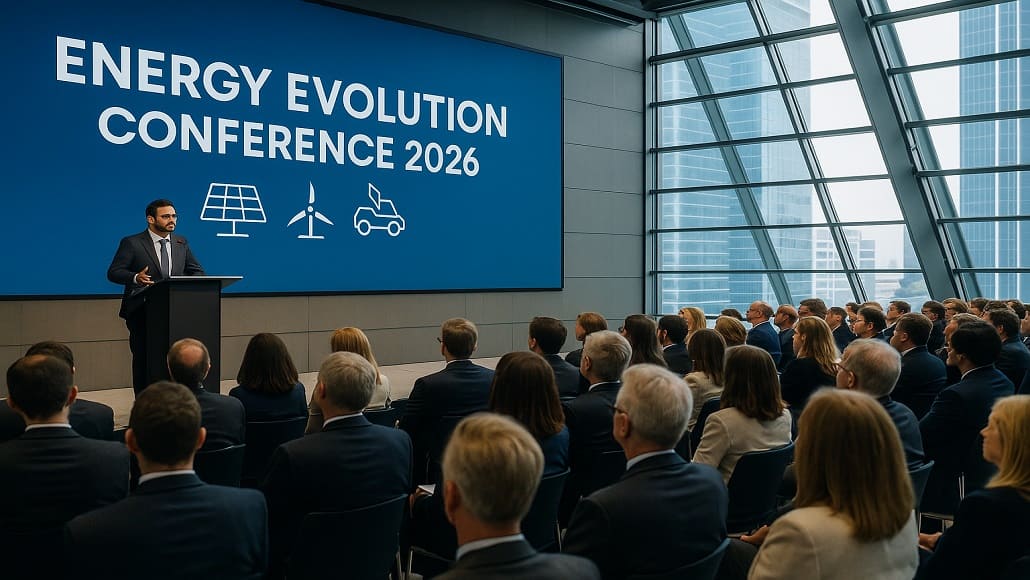
Egyptian President Abdel Fattah El-Sisi warned that the current energy crisis could escalate into the largest in modern history. This statement was made during his participation in the ninth edition of the Egypt International Energy Conference, 'EGYPS 2026', which is being held on March 30 at the Egypt International Exhibition Center. El-Sisi emphasized that the current situation requires urgent action to address the challenges facing the energy sector in the country.
El-Sisi pointed out that the crisis is not only local but also has regional and international implications, necessitating a collective effort among countries to confront these challenges. He highlighted the importance of enhancing cooperation among Arab countries in the energy sector, especially in light of the climatic and economic changes the world is experiencing.
Event Details
The 'EGYPS 2026' conference and exhibition is one of the most prominent events in the energy sector in the region, bringing together decision-makers and experts in this field. The conference aims to exchange experiences and discuss the latest developments in energy, including renewable energy and modern technologies.
The conference features numerous discussion sessions and workshops focusing on the challenges and opportunities available in the energy sector. Several global and local companies are participating, reflecting Egypt's importance as a regional energy hub.
Background & Context
Egypt faces significant challenges in the energy sector, as the government seeks to achieve energy self-sufficiency and diversify its sources. In recent years, there has been an increase in energy demand due to population growth and urban expansion.
In this context, the Egyptian government has launched several ambitious projects in the field of renewable energy, such as the solar energy project in Benban, which is considered one of the largest solar energy projects in the world. However, there are still major challenges related to securing supplies and improving energy efficiency.
Impact & Consequences
El-Sisi's warnings indicate that the current crisis could significantly impact the Egyptian economy, especially given the heavy reliance on energy across all sectors. If the crisis worsens, both foreign and local investments may be affected, leading to a slowdown in economic growth.
Moreover, the impact of the crisis may extend to citizens, as energy costs could rise, negatively affecting the standard of living. Therefore, urgent action is essential to avoid exacerbating the situation.
Regional Significance
The energy crisis in Egypt is a matter of concern for many Arab countries, as many of these nations face similar challenges in securing energy supplies. Cooperation among Arab countries in this field could be an effective solution to address future crises.
Furthermore, the stability of the energy sector in Egypt has a direct impact on energy markets in the region, as Egypt is a major hub for exporting natural gas to many Arab and European countries.
In conclusion, amid the increasing challenges in the energy sector, an immediate response from the Egyptian government and Arab countries is required. Strengthening cooperation and adopting new strategies in the energy sector may be the only way to avoid a historic energy crisis that affects everyone.