Amnesty International has warned that millions of fans heading to the 2026 FIFA World Cup may face serious human rights risks. The organization pointed out that the tournament is significantly straying from being 'safe, free, and inclusive' as originally promised by FIFA.
With more than ten weeks remaining until the tournament kicks off on June 11 in Mexico, Amnesty confirmed that the United States, which will host three-quarters of the matches, is experiencing a 'human rights emergency' due to mass deportation campaigns and strict immigration laws, along with restrictions on protests.
Event Details and Concerns
Steve Cockburn, head of economic and social justice at Amnesty International, told Reuters, 'There are significant risks surrounding this tournament.' He added, 'This does not seem like the safe, free, equal, and inclusive World Cup that we were promised eight years ago when the United States was awarded hosting rights; it may be completely different from the situation just 18 months ago.'
The United States, Mexico, and Canada are jointly hosting the tournament, and FIFA has been asked for a comment regarding these warnings. Amnesty International reported that over 500,000 people were deported from the United States last year, a number that equals more than six times the capacity of MetLife Stadium in New Jersey, which will host the final match.
Background & Context
The organization explained that mass arrests and deportations carried out by U.S. Immigration and Customs Enforcement (ICE) and other agencies have torn apart local communities, and their effects may extend to celebrations related to the World Cup. Amnesty International has urged FIFA to use its 'enormous influence' with the U.S. administration to secure public guarantees that no immigration enforcement actions will take place around stadiums and fan zones.
Cockburn stated, 'We need clear guarantees that ICE will not be present around the match venues so that people can attend without fear of arbitrary detention or deportation.' He also called for assurances that planned protests would be allowed and facilitated.
Impact & Consequences
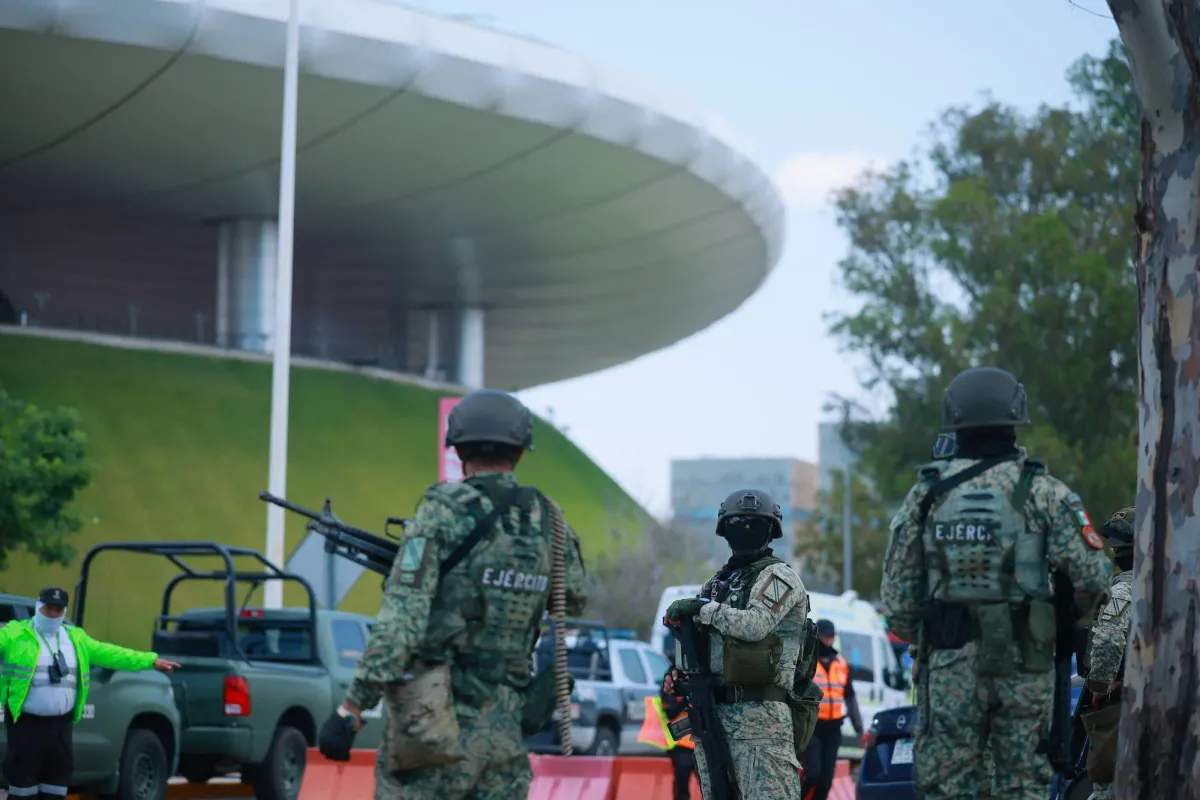
In Mexico, where authorities announced the deployment of around 100,000 security personnel, including 20,000 soldiers, the organization warned that the heavy militarization of the event could lead to violations and suppression of protests. Cockburn noted that Mexico has a long history of human rights abuses associated with military presence, including enforced disappearances and torture.
On the opening day of the tournament in Mexico City, feminist groups plan to protest to demand justice for their missing relatives. Cockburn emphasized that Amnesty International wants FIFA, security forces, and the Mexican government to ensure that this protest is allowed and that the issue is highlighted.
Regional Significance
In Canada, Amnesty International expressed concerns that preparations for the World Cup could worsen the conditions of the homeless. The organization fears that attempts to 'beautify' Vancouver and Toronto could forcibly displace the homeless from their camps, similar to what occurred during the 2010 Winter Olympics in Vancouver.
A White House spokesperson stated, 'This event will generate billions of dollars in economic revenue and provide hundreds of thousands of jobs in our country.' The Public Safety Minister's office confirmed that Canada is committed to hosting a World Cup that reflects our values of respecting human rights and inclusion.
In closing its warnings, Amnesty International stressed that fans should be aware of the risks and their rights before traveling. Cockburn concluded, 'We are not saying do not go or do not enjoy. I truly hope fans go and enjoy, but it is about being aware of the reality and making the necessary decisions.'