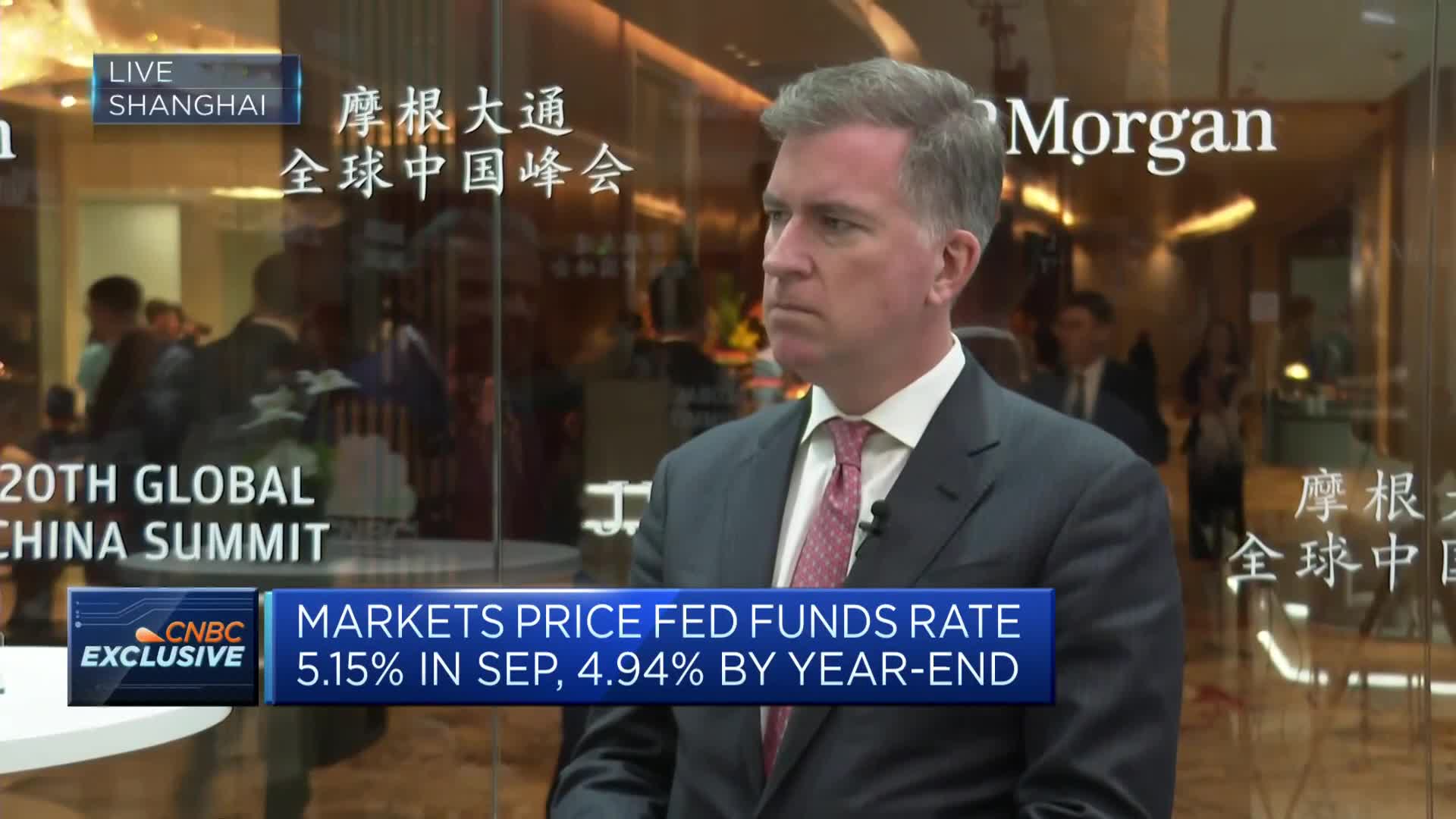
During his participation in the 'Bloomberg ETF IQ' program, David Brown, the public portfolio manager at PIMCO, warned about the increasing risks threatening the credit market. Brown manages an active bond fund valued at $7.7 billion, emphasizing the need for investors to exercise caution given the current economic conditions.
The discussion highlighted the negative bets made by investor Carson Block on some of the largest institutional credit funds, reflecting growing concerns about the stability of the credit market and raising questions about the future of investments in this sector.
Challenges Facing the Credit Market
Brown spoke about the challenges confronting the credit market, noting that rising interest rates and inflation could negatively impact companies' ability to repay their debts. He stressed the importance of caution when selecting investment funds, especially in light of the current economic circumstances.
He also discussed the significance of diversification in investment portfolios, as this can help mitigate risks associated with investing in credit funds, emphasizing the need for thorough asset analysis during this sensitive phase.
Background & Context
Historically, the credit market has experienced significant fluctuations, especially during times of economic crises. Expansionary monetary policies in recent years have led to a substantial increase in debt, making the market more susceptible to shocks. Therefore, the analysis provided by Brown is essential for understanding current trends.
It is worth noting that PIMCO is considered one of the largest asset management firms in the world, with a strong reputation in bond fund management, making Brown's insights reflective of deep market perspectives.
Impact & Consequences
If concerns about the credit market persist, these conditions could affect financial markets more broadly. Investors relying on credit funds may find themselves in a difficult position if conditions worsen. Additionally, companies that depend on financing through bonds may face challenges in obtaining necessary funding.
This situation could also lead to increased volatility in financial markets, which may impact investor confidence. Under these circumstances, it is crucial for investors to make informed decisions based on accurate analyses.
Regional Significance
The warnings about risks in the credit market are important for understanding the challenges faced by investors and companies amid current economic conditions. As the credit market's stability is vital for overall economic health, the implications of these risks extend beyond individual investors to affect broader economic landscapes.
In conclusion, the insights shared by Brown highlight the need for vigilance and strategic planning in navigating the complexities of the credit market, particularly in light of rising uncertainties.