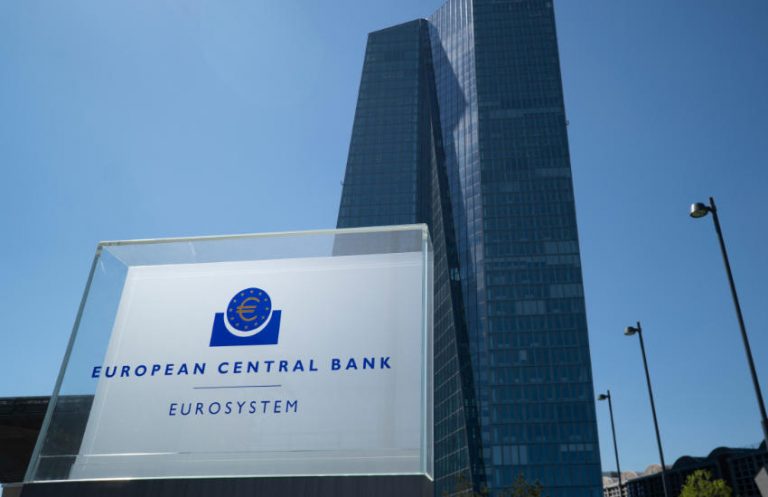
Fabio Panetta, a member of the European Central Bank's governing council, stated that officials must avoid allowing inflation resulting from the war in Ukraine to spur wage increases. This warning came during remarks made by Panetta, where he cautioned that a strong reaction from the central bank could exacerbate the economic situation.
These statements come at a time when the European economy is experiencing increasing pressures due to the ongoing conflicts in Ukraine, which have significantly impacted energy prices and essential goods. The European Central Bank is considered one of the key financial institutions striving to maintain price stability in the Eurozone, facing significant challenges under the current circumstances.
Details of the Event
In his remarks, Panetta emphasized the importance of taking measured steps to avoid what is known as a "wage-price spiral," where wage increases can lead to further price hikes, creating a vicious cycle of inflation. He pointed out that the European Central Bank must be cautious in its response to inflation, stressing the need to avoid actions that could worsen the economic situation.
Panetta also added that there is a need for balance between supporting economic growth and combating inflation, which represents a significant challenge at this time. This warning comes as concerns grow about the war's effects on the European economy, with supply chains being affected and living costs rising.
Background & Context
Historically, the Eurozone has faced multiple economic crises, but the war in Ukraine represents an unprecedented challenge. Since the conflict began, energy prices have surged significantly, affecting all aspects of the economy, from production costs to the prices of goods and services. Recent data has shown that inflation in the Eurozone has reached record levels, placing additional pressure on the European Central Bank to take effective measures.
In this context, the European Central Bank is one of the few central banks still adopting an accommodative monetary policy, while many other central banks around the world are moving towards tightening monetary policy to combat inflation. This divergence in monetary policies could lead to fluctuations in financial markets and impact investments in the region.
Impact & Consequences
If inflationary pressures persist, the European Central Bank may have to raise interest rates faster than expected, which could negatively impact economic growth. Rising interest rates could lead to increased borrowing costs, discouraging investments and affecting consumption. Conversely, if the central bank does not take adequate measures to combat inflation, it could exacerbate economic conditions and increase pressures on households and businesses.
Concerns are growing that high inflation could erode consumers' purchasing power, which may negatively reflect on demand in the markets. This situation could lead to a slowdown in economic growth in the Eurozone, affecting financial and economic stability in the region.
Regional Significance
Arab countries are directly affected by the economic conditions in Europe, especially given their significant reliance on oil and gas exports. Rising energy prices due to conflicts in Europe could lead to increased revenues for oil-producing countries in the region, but at the same time, high inflation in Europe could reduce demand for Arab goods and services.
Moreover, economic tensions in Europe could impact Arab investments in European markets, necessitating Arab countries to reassess their economic strategies to face these challenges.
In light of the current economic conditions, the European Central Bank must make cautious decisions to ensure price stability and economic growth. Arab countries should closely monitor developments, as the situation in Europe could significantly impact their economies.