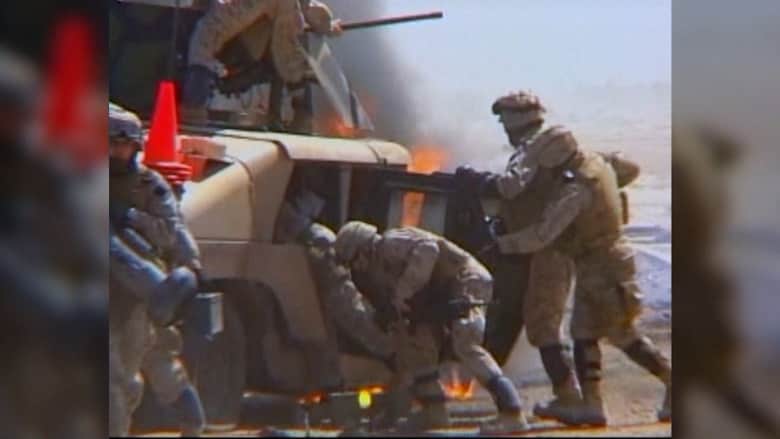
Former U.S. NATO ambassador Ivo Daalder has warned that a war with Iran would have far broader repercussions than those left by the Iraq War, impacting economic, geopolitical, and international systems. In an article published on Politico Europe, Daalder noted that the world is witnessing, less than a month after the outbreak of war, the largest disruption in oil and gas supplies.
These warnings come at a sensitive time as tensions between the United States and Iran escalate, raising fears of military escalation that could affect the stability of the region and the world. Daalder emphasized that this war could lead to unprecedented increases in oil prices, impacting the global economy and increasing pressures on energy-consuming nations.
Event Details
In his article, Daalder explained that the economic impact of a war with Iran would be profound, as military operations are expected to disrupt shipping traffic in the Strait of Hormuz, a vital transit point for oil transport. He also warned that this war could exacerbate humanitarian crises in the region, increasing the number of refugees and affecting regional security.
He pointed out that the international system may face new challenges amid escalating conflicts, potentially prompting some countries to reassess their alliances. This could alter the balance of power in the region and lead to further instability.
Background & Context
Historically, U.S.-Iranian relations have seen increasing tensions since the Islamic Revolution in 1979, with economic sanctions and proxy wars exacerbating the situation. The Iraq War, which began in 2003, was one of the most significant events affecting the region, leading to radical changes in Iraq's political system and impacting regional security.
Today, it seems that the situation may repeat itself, but with greater complexities. Iran possesses advanced military capabilities and has a network of allies in the region, making any conflict with it more complicated. Additionally, the economic dimensions of the war may be more impactful, especially given the economic crises many countries are currently facing.
Impact & Consequences
If war breaks out, its consequences will include a significant rise in oil prices, which will affect the global economy. This could lead to increased living costs in many countries, causing social and economic disruptions.
Furthermore, the war could exacerbate humanitarian crises in the region, with expected increases in the number of displaced persons and refugees. This will pose an additional challenge for neighboring countries already suffering from economic and political crises.
Regional Significance
For Arab countries, the outbreak of a war with Iran could lead to a reshaping of alliances in the region. Some countries may find themselves forced to choose between supporting the United States or Iran, potentially increasing internal divisions.
The economic impact of the war will also affect Arab countries, as oil and gas prices are expected to be influenced, impacting the budgets of producing countries. At the same time, tensions between armed groups in the region may escalate, increasing instability.
In conclusion, Daalder's warnings reflect a complex reality that requires the international community to take urgent steps to avoid escalating the conflict and work towards diplomatic solutions that ensure stability in the region and the world.