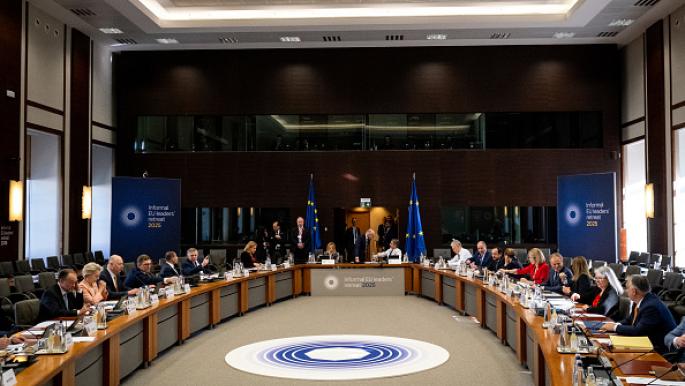
The European Union's energy commissioner warned during an emergency meeting held today that member states must prepare for a potential "long-term disruption" in energy markets. This warning comes at a critical time as concerns grow about the stability of energy supplies amid multiple global crises.
European countries are focusing on how to tackle the challenges facing energy markets, particularly in light of rising gas and oil prices, which have significantly impacted European economies. The commissioner noted that the situation requires a swift and effective response from governments to ensure market stability.
Details of the Meeting
Energy ministers from the European Union convened today to discuss the current state of energy markets, addressing a range of issues related to supply and pricing. The necessity for cooperation among member states was emphasized to confront shared challenges, including price volatility stemming from geopolitical crises.
Future plans to enhance energy security were also reviewed, including increasing reliance on renewable energy sources and reducing dependence on fossil fuels. This is part of the efforts to achieve the European Union's goals in sustainable energy.
Background & Context
Historically, European energy markets have experienced significant fluctuations, especially during political and economic crises. Since the onset of the conflict in Ukraine, gas and oil supplies have been heavily affected, leading to rising prices and increased pressure on European governments.
European nations are striving to diversify their energy sources and reduce dependence on Russia, which has been considered the primary supplier of gas. Many countries have begun exploring new alternatives, including liquefied natural gas from other nations, as well as investing in renewable energy.
Impact & Consequences
The anticipated disruption in energy markets could have negative effects on the European economy, as high energy prices may lead to increased production costs, affecting both businesses and consumers. These challenges could also contribute to rising inflation, putting additional pressure on governments.
On the other hand, there may be new opportunities for countries that can meet Europe's increasing energy demands, enhancing their position in the global market. Additionally, investment in renewable energy could open new avenues for economic growth.
Regional Significance
The Arab region is considered one of the most important energy sources in the world, with its countries holding significant reserves of oil and gas. Amid current disruptions, some Arab nations may benefit from increased energy demand, boosting their economic revenues.
However, Arab countries must remain cautious, as fluctuations in energy markets could lead to economic instability. Furthermore, global trends towards renewable energy may require Arab nations to reevaluate their energy strategies.
In conclusion, the situation in European energy markets remains a focal point of significant interest, requiring high-level coordination among EU member states, along with an effective response from energy-producing countries in the region.