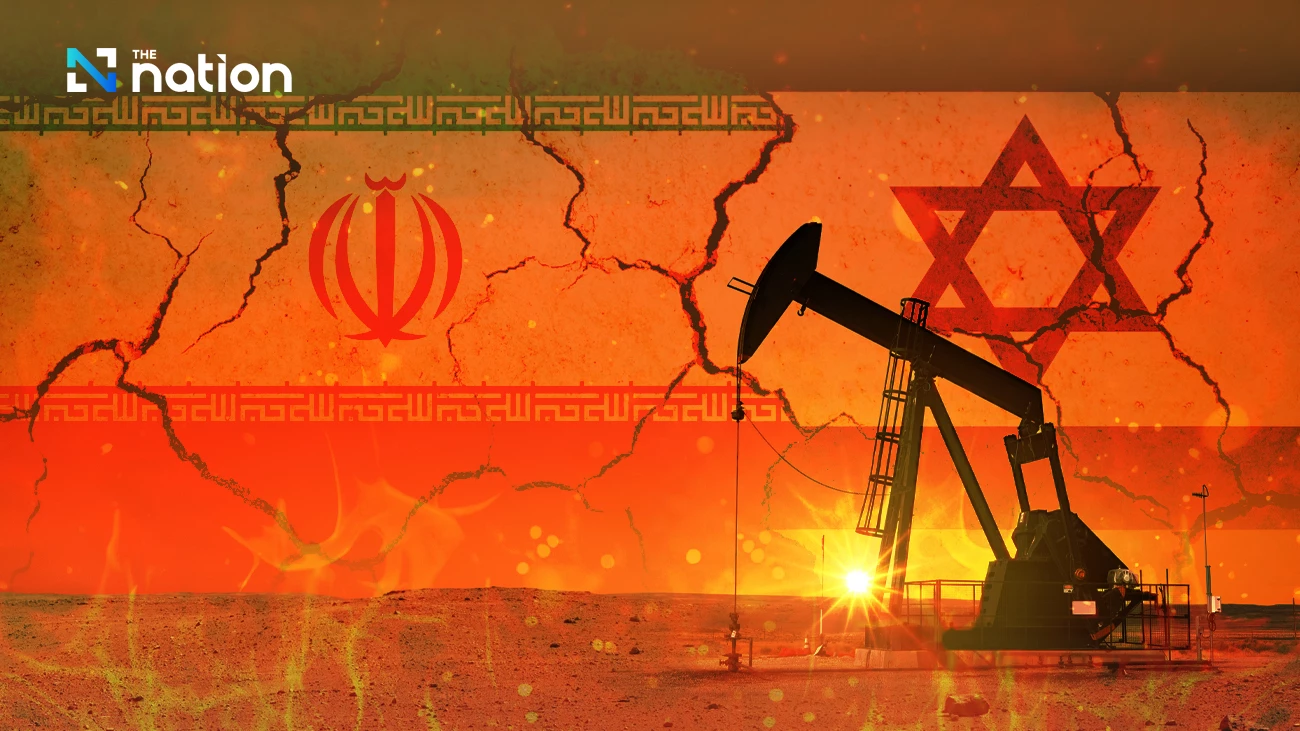
The head of the International Energy Agency, Fatih Birol, announced that the ongoing war in Iran represents a "major threat" to the global economy, indicating that its impacts could be devastating on energy markets. These statements come at a time when tensions in the Middle East are escalating, raising concerns about the stability of oil and gas prices.
During a press conference, Birol explained that the conflict in Iran could lead to sharp fluctuations in energy prices, affecting all countries, especially those that heavily rely on oil imports. He also noted that any escalation in the conflict could result in supply disruptions, which would increase pressures on the global economy recovering from the COVID-19 pandemic.
Details of the Situation
Concerns are growing that the conflict in Iran could expand to include other countries in the region, potentially exacerbating economic crises. Reports have shown that oil prices have seen significant increases in recent days, surpassing the $90 per barrel mark. This increase reflects the growing anxiety regarding supplies, especially amid political tensions.
Birol emphasized the urgent need to develop renewable energy sources and reduce dependence on fossil fuels, particularly in light of the recurring crises in energy markets. He affirmed that the transition to clean energy could help mitigate risks associated with regional conflicts.
Background & Context
Historically, Iran has been at the center of numerous conflicts in the Middle East, playing a pivotal role in global energy markets. Since the Islamic Revolution in 1979, the country has experienced several political and economic crises that have affected the stability of oil markets. Additionally, the international sanctions imposed on Iran due to its nuclear program have reduced its oil exports, complicating the economic situation further.
In recent years, tensions between Iran and the United States have escalated, worsening conditions in the region. These tensions have impacted trade relations among countries, increasing uncertainty in global markets.
Impact & Consequences
The implications of the war in Iran on the global economy are multifaceted. First, it could lead to rising oil prices, affecting transportation and production costs worldwide. Second, it may cause fluctuations in financial markets as investors seek to protect their assets from increasing risks.
Moreover, any escalation in the conflict could heighten tensions among major powers, potentially affecting political stability in the region. Consequently, the global economy may face significant challenges under these circumstances.
Regional Significance
Arab countries are directly affected by the conflict in Iran, as many of these nations rely on importing oil and gas. Any increase in energy prices could lead to higher living costs, impacting local economies. Additionally, regional tensions may result in a flow of refugees and increased pressures on neighboring countries.
In conclusion, the current situation in Iran requires close monitoring by the international community, as any escalation could lead to serious repercussions for the global economy, particularly given the increasing reliance on energy. Arab nations must be prepared to face potential challenges and seek to enhance regional cooperation to ensure market stability.