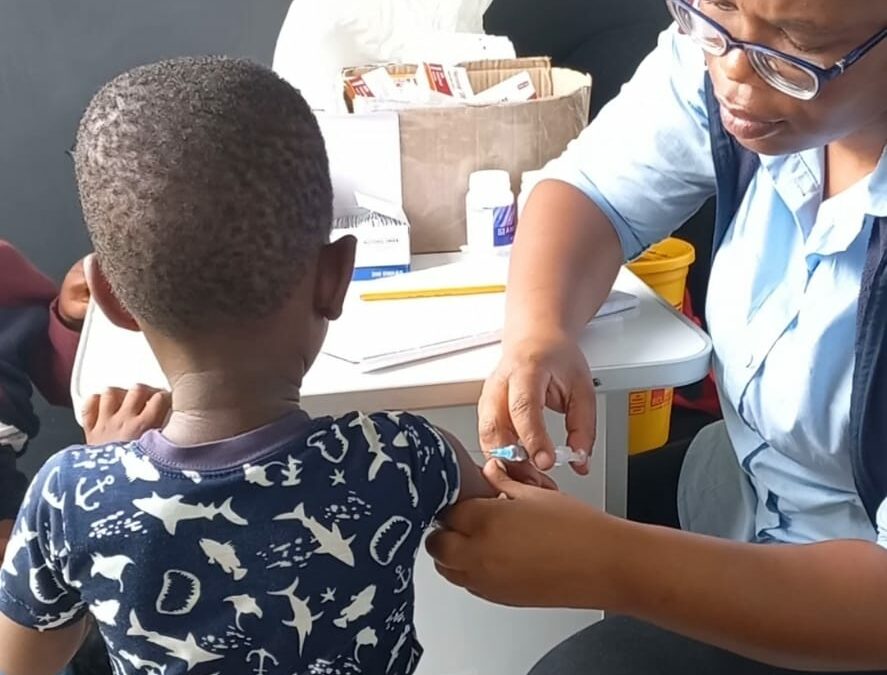
The Indonesian Association of Internal Medicine Physicians (PAPDI) has announced the risks associated with the spread of measles, noting that the disease can easily transmit through droplets produced by coughing or sneezing, as well as through the air. This announcement was made during a press conference held in Jakarta, where doctors emphasized the importance of awareness regarding the early symptoms of the disease and the necessity of vaccination as a preventive measure.
Dr. Adetito Susilo, one of the participating doctors at the conference, explained that the virus can remain airborne for a period, increasing the likelihood of transmission to surrounding individuals. He also pointed out that infection could occur through contact with contaminated surfaces, necessitating additional precautions to maintain public health.
Details of the Event
During the conference, the initial symptoms of the disease were discussed, which include fever, cough, runny nose, and red eyes. These symptoms are known as the "three C's": cough, coryza (runny nose), and conjunctivitis. However, these symptoms may be nonspecific and resemble those of other respiratory illnesses, making it difficult to identify measles in its early stages.
Dr. Susilo added that the rash, which typically appears several days after the initial symptoms, is the most obvious sign indicating measles infection. However, there may be a period known as the incubation period, during which an infected person can transmit the virus before showing clear symptoms.
Background & Context
Historically, measles has been a common disease affecting children worldwide, but with the advancement of vaccination programs, the incidence of cases has significantly decreased. However, some countries, including Indonesia, have witnessed an increase in measles cases in recent years, raising concerns about the effectiveness of vaccination programs and health awareness in the community.
Measles is considered a highly contagious disease, as it can easily spread among unvaccinated individuals. Therefore, enhancing awareness about the importance of vaccination and recognizing early symptoms is vital to reducing the spread of the disease.
Impact & Consequences
Reports indicate that the increase in measles cases could place additional pressure on the healthcare system, necessitating a swift response from health authorities. Failure to recognize symptoms early could lead to an outbreak, requiring greater efforts in awareness and vaccination.
Preventing measles is a health priority, as contracting the virus can lead to serious complications, especially in children. Therefore, strengthening vaccination programs and health education is a fundamental step to protect the community.
Regional Significance
In the Arab region, measles is also a disease that requires special attention, as some countries have seen an increase in cases. Raising awareness about the importance of vaccination and recognizing early symptoms can contribute to reducing the spread of the disease in Arab communities.
In conclusion, the current situation requires intensified efforts to raise awareness about the importance of vaccination against measles and recognizing the early symptoms of the disease to ensure the health and safety of communities.