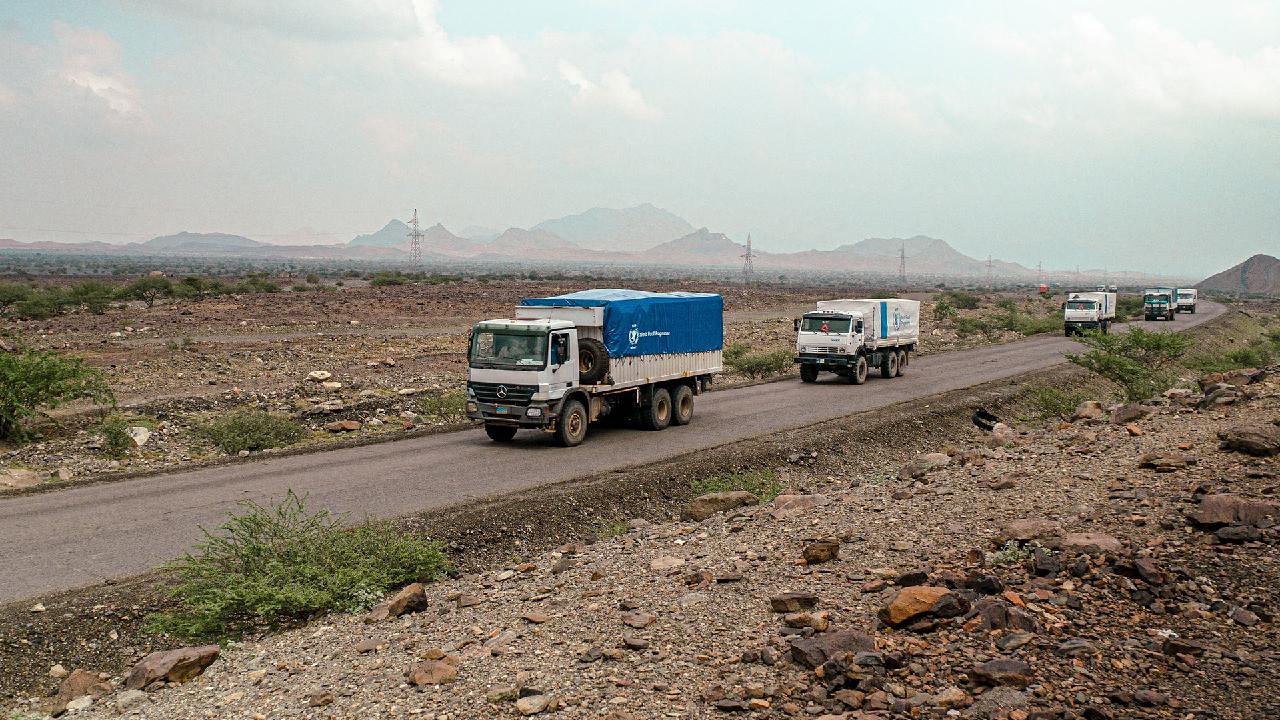
Save the Children warns that medical supplies necessary for humanitarian crises in Sudan may run out within two weeks unless shipments are urgently redirected. This warning comes as the country faces a worsening humanitarian crisis due to ongoing conflicts.
Health facilities in Sudan are under immense pressure, as the number of displaced individuals and injured people continues to rise due to armed conflicts. These medical supplies are essential to meet the needs of patients and the injured, especially in the most affected areas.
Details of the Situation
Reports indicate that many hospitals and clinics in Sudan heavily rely on imported medical supplies, which are currently being choked due to conflicts in the Middle East. Save the Children has expressed concern that the continuation of the current situation could exacerbate health conditions, threatening the lives of many.
The medical supplies that may soon run out include essential medications, medical equipment, and vaccines. The organization has confirmed that there is an urgent need to redirect shipments to Sudan to ensure the continued provision of healthcare to those affected.
Background & Context
Sudan has been suffering from consecutive humanitarian crises for years, resulting from internal conflicts, economic crises, and climate changes. These crises have significantly worsened in recent years, leading to an increase in the number of displaced persons and refugees. According to United Nations reports, over 9 million people in Sudan are experiencing food insecurity, increasing the need for medical supplies.
Historically, Sudan has been a center for armed conflicts, having witnessed civil wars and ethnic conflicts, which have impacted the stability of the health system. As conflicts increase, the need for international support to meet the needs of affected populations grows.
Impact & Consequences
If urgent actions are not taken to redirect medical shipments to Sudan, the consequences will be severe. A shortage of medical supplies could lead to increased mortality rates among patients, particularly children and pregnant women. The outbreak of diseases could also rise under poor health conditions.
This health crisis in Sudan exemplifies how armed conflicts impact the health system in developing countries. Political and economic instability hinders relief efforts and increases the suffering of civilians.
Regional Significance
The situation in Sudan is part of a broader humanitarian crisis in the Middle East, where conflicts and disputes are on the rise. Instability in Sudan could affect neighboring countries, as the influx of refugees may increase pressure on resources in those nations.
Furthermore, the humanitarian crises in Sudan may necessitate a larger international response, potentially affecting regional policies and relations among Arab countries. It is crucial for regional and international efforts to unite in addressing these humanitarian challenges.
The health situation in Sudan requires urgent attention from the international community. Efforts must be coordinated to ensure that medical supplies reach those in need and provide the necessary support to alleviate the suffering of the Sudanese people.