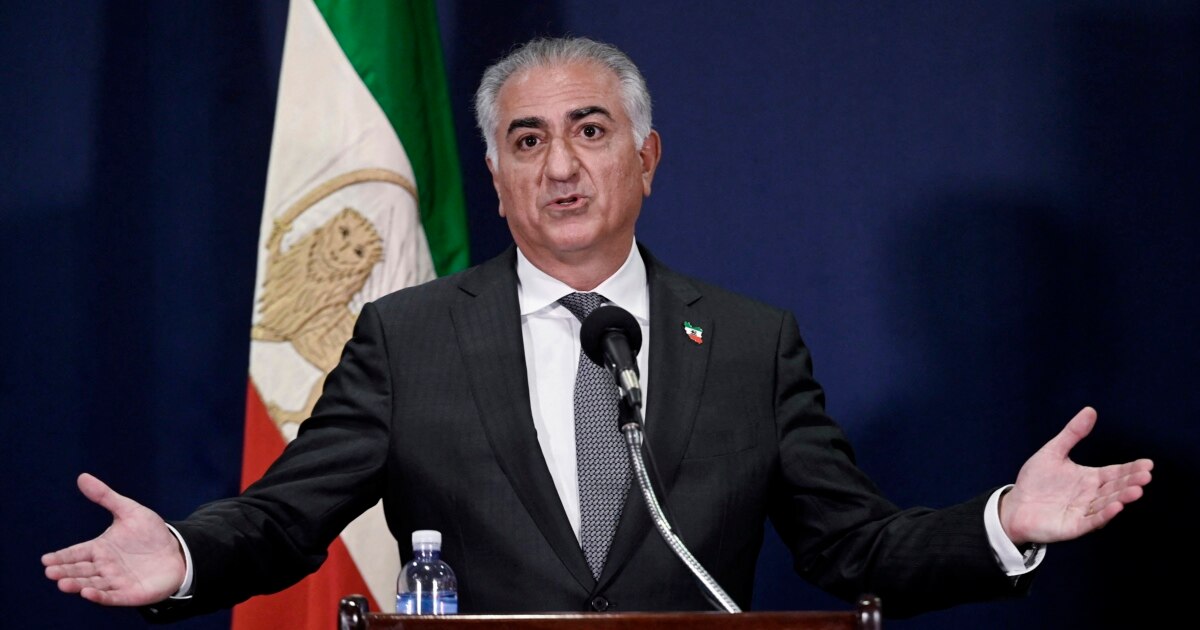
Iranian opposition figure Reza Pahlavi, son of the deposed Iranian Shah, has warned that negotiating peace with the current leaders in Iran will only delay the risks threatening Americans. This statement was made during his speech at the Labor Conference held in Grapevine, Texas, where he received a warm welcome from the audience.
Pahlavi, who lives outside Iran, emphasized that the current Iranian regime cannot be trusted, indicating that any agreement with these leaders will not achieve true peace but will only postpone potential crises. He expressed concern that such negotiations could give the Iranian regime more time to develop its nuclear program and strengthen its influence in the region.
Event Details
During the conference, Pahlavi addressed the challenges facing the Iranian people, stressing the need for Iranians to unite against the regime. He called for new protests in the streets, asserting that the voice of the people must be heard worldwide. He also pointed out that the Iranian people are suffering from severe repression and that the time has come to act against injustice.
Pahlavi, who is considered a symbol of the Iranian opposition, highlighted the importance of international support for the democratic movement in Iran. He clarified that any agreement with the current regime could be seen as a betrayal of the Iranian people's aspirations for freedom and democracy.
Background & Context
In recent years, Iran has witnessed waves of popular protests against the regime, with citizens demanding freedom and social justice. These protests have intensified following the U.S. withdrawal from the nuclear agreement in 2018, exacerbating the economic and political situation in the country.
Historically, Reza Pahlavi has represented a symbol of Iranian monarchy before the Islamic Revolution in 1979, having fled abroad after the overthrow of his father's regime. Since then, he has worked to promote the opposition movement against the current regime, relying on support from Iranians in exile.
Impact & Consequences
Pahlavi's warnings come at a sensitive time, as Iran continues to advance its nuclear program amid increasing international pressure. Any potential agreement with the Iranian regime could exacerbate crises in the region and heighten tensions between Iran and the United States and its allies.
Pahlavi's call for protests may also contribute to stimulating the popular movement within Iran, potentially leading to heightened tensions between the regime and the opposition. If Iranians respond to his call, we could witness a new wave of protests that may impact the stability of the current regime.
Regional Significance
Iran is a key player in the region, with its policies affecting many Arab countries. Any escalation in the internal situation in Iran could reflect on conditions in Iraq, Syria, and Lebanon, where Iran seeks to enhance its influence.
Concerns over the Iranian nuclear program remain a source of anxiety for Arab countries, especially amid rising tensions between Iran and the United States. Therefore, Pahlavi's warnings may resonate within Arab circles, where many seek stability in the region.
In conclusion, Reza Pahlavi's calls for protests and his assertions regarding the futility of negotiating with the Iranian regime remain of significant interest, reflecting the Iranian people's aspirations for freedom and democracy and highlighting the challenges facing the entire region.