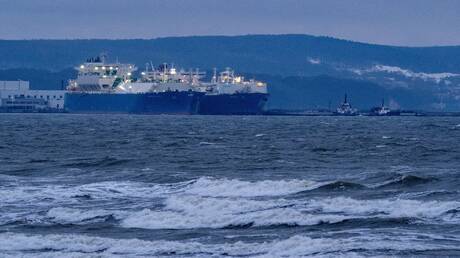
Fatih Birol, the Executive Director of the International Energy Agency, has issued a warning about an unprecedented crisis in oil and gas supplies due to the closure of the Strait of Hormuz. He noted that this crisis is the most dangerous in decades, with repercussions that exceed those experienced during previous oil crises.
These warnings come at a sensitive time, as the Strait of Hormuz is a vital transit point for approximately 20% of global oil supplies. Any closure of this waterway poses a direct threat to the stability of global oil markets, raising significant concerns about rising energy prices and their impact on the global economy.
Details of the Event
Birol explained that previous oil crises, such as those that occurred in 1973 and 1979, had significant repercussions on the global economy, but the current crisis has unique characteristics that make it more perilous. The closure of the Strait of Hormuz could lead to a severe supply shortage, negatively affecting oil and gas prices and increasing pressure on consuming countries.
He also pointed out that the current situation requires a swift response from both producing and consuming countries to prevent the crisis from worsening. Birol called for enhanced international cooperation to ensure market stability and avoid any future crises.
Background & Context
Historically, the world has witnessed several oil crises that have had profound effects on the global economy. The crisis of 1973, for instance, led to unprecedented oil price increases, impacting economic growth in many countries. Meanwhile, the 1979 crisis was a result of the Iranian Revolution, which significantly reduced oil supplies.
In recent years, we have seen multiple crises, including the 2022 crisis caused by the repercussions of the war in Ukraine. However, the closure of the Strait of Hormuz represents a new threat that could evoke memories of those historical crises.
Impact & Consequences
If the closure of the Strait of Hormuz continues, it could lead to a significant rise in oil prices, affecting transportation costs and the prices of essential goods. Consuming countries, especially those heavily reliant on oil imports, will face substantial economic challenges, potentially leading to a slowdown in economic growth.
Additionally, rising energy prices could lead to increased inflation, impacting citizens' purchasing power. Oil-producing countries may benefit from higher prices, but they will also face domestic political pressures due to market volatility.
Regional Significance
Arab oil-producing countries, such as Saudi Arabia and the UAE, find themselves in a sensitive position. While they may benefit from rising prices, any disruptions in supply could affect their economic stability. Consumer countries in the region, such as Egypt and Jordan, will face additional challenges amid rising energy costs.
In conclusion, the current situation requires international coordination to ensure market stability and protect the global economy from the repercussions of this crisis. Concerned countries must take proactive steps to prevent the situation from worsening.