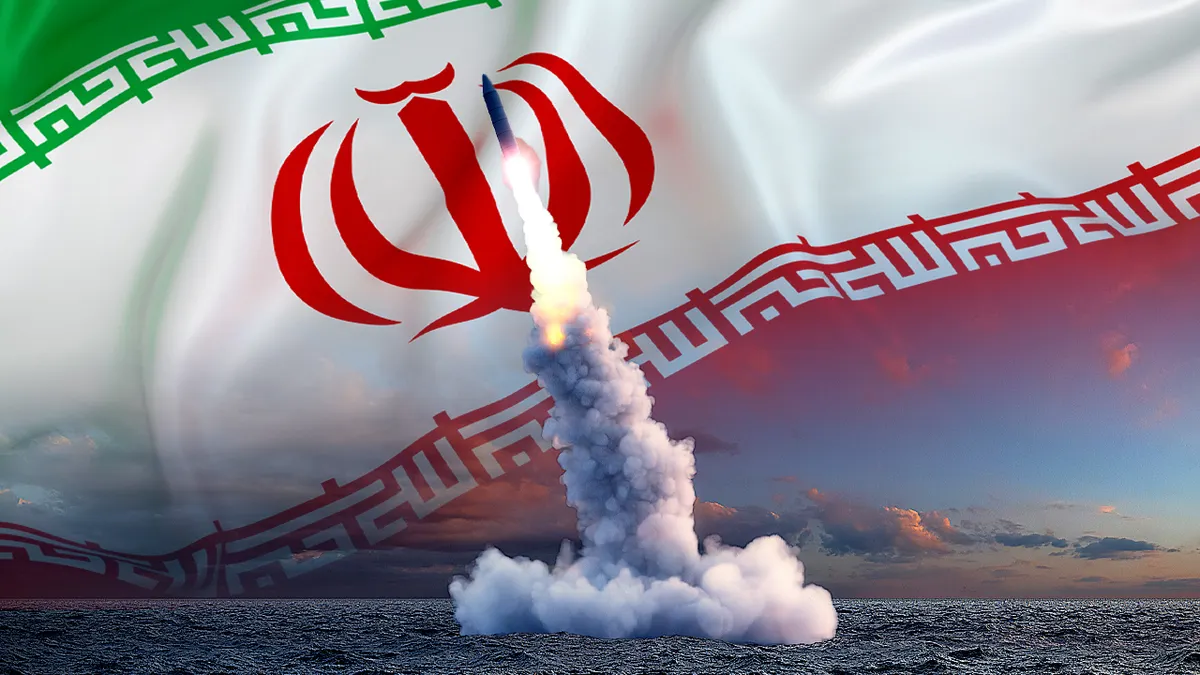
Former Qatari Prime Minister Hamad bin Jassim Al Thani has warned about the repercussions of the lack of swift solutions in the war being waged by the United States and Israel against Iran. In a post on his account on the platform X, he pointed out that the situation could trend towards a longer escalation than expected if solutions are not reached in the coming days.
Hamad bin Jassim confirmed that there are parties interested in prolonging this conflict, which complicates the regional landscape further. These statements come at a time when the world is witnessing increasing tensions between major powers, particularly in the Middle East, which is considered a historical conflict hotspot.
Details of the Event
Concerns are growing that ongoing military operations against Iran could lead to unprecedented escalation, as regional and international interests intertwine. Recent days have seen a rise in tensions, with accusations exchanged between Iran, the United States, and Israel, raising fears of a comprehensive conflict.
Iran is considered a key player in the region, wielding significant influence in several countries such as Iraq, Syria, and Lebanon. Therefore, any escalation in the conflict could directly impact the stability of these countries and increase the suffering of their populations.
Background & Context
Historically, relations between Iran and the United States have been tense since the Islamic Revolution in 1979. These relations have seen a marked escalation in recent years, especially after the United States withdrew from the Iranian nuclear agreement in 2018. Since then, the United States has imposed strict sanctions on Iran, exacerbating the economic and social conditions in the country.
In contrast, Iran seeks to enhance its regional influence, which raises concerns among neighboring countries and the United States. These dynamics have led to increased military tensions, with the United States and Israel accusing Iran of supporting armed groups in the region.
Impact & Consequences
If the situation continues as it is, military escalation could lead to catastrophic outcomes. This could exacerbate humanitarian crises in the region, increase the number of displaced persons and refugees, and further deteriorate economic conditions.
Moreover, escalation could affect global oil prices, as Iran is one of the key players in the energy market. Any threat to navigation in the Strait of Hormuz, through which about 20% of global oil supplies pass, could lead to price hikes and destabilize financial markets.
Regional Significance
The Arab countries neighboring Iran find themselves in a precarious position, as they may be directly affected by any military escalation. Countries like Iraq, Syria, and Lebanon could find themselves caught in the middle of the conflict, complicating their security and economic situations.
Furthermore, any escalation could increase divisions among Arab countries, as their positions towards Iran vary. Some countries support the United States in its policies, while others seek to maintain good relations with Iran, reflecting deep divisions within the Arab world.
In conclusion, there remains hope that the international community can find peaceful solutions to the conflict before it escalates into a larger crisis affecting everyone.