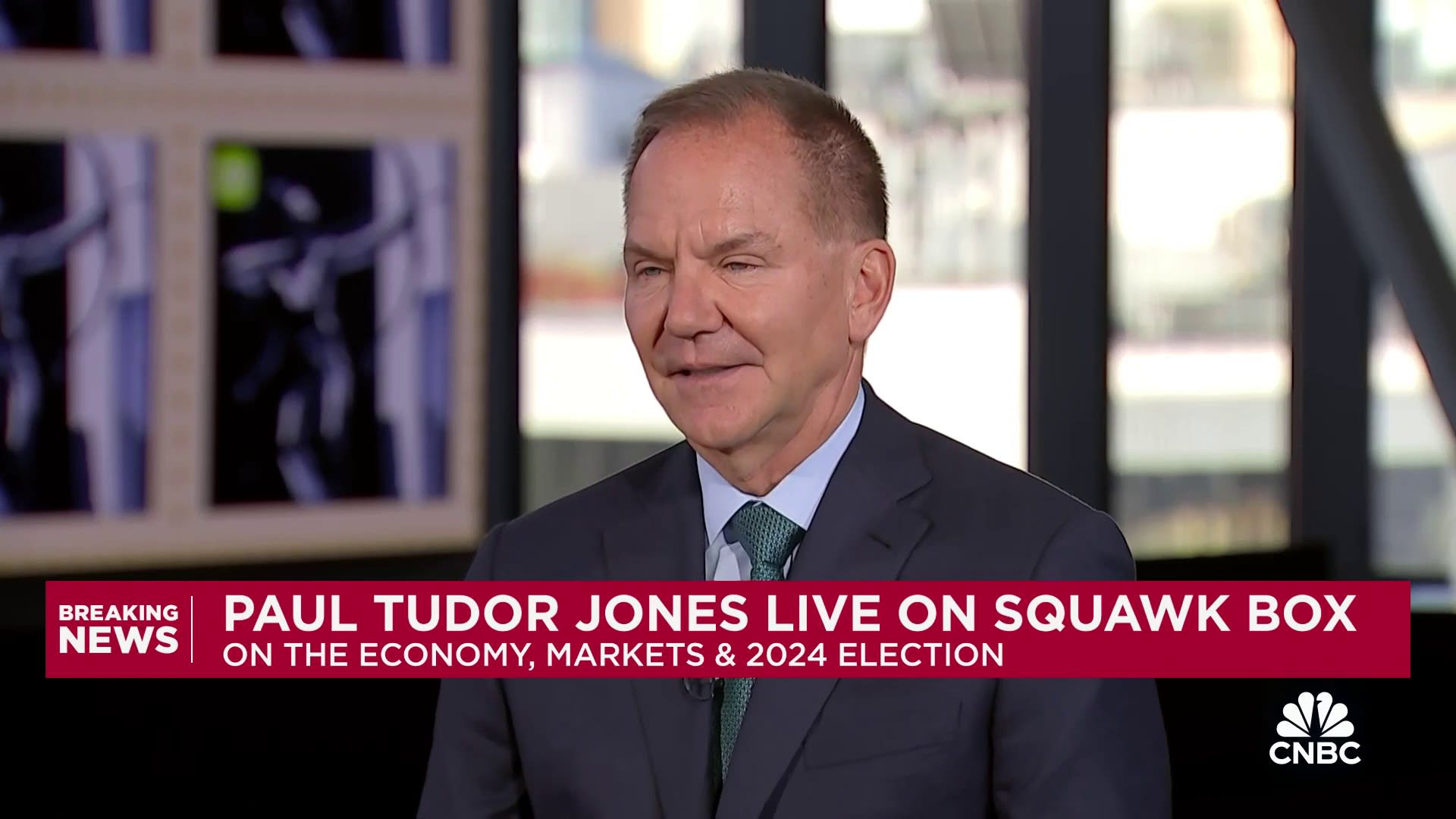
Renowned investor Paul Tudor Jones has warned about the potential risks that may arise from excessive debt in the U.S. financial system, particularly in light of the record highs reached by the S&P 500 index. Jones emphasized that the current valuations of the index may be unsustainable, raising concerns among investors.
In his remarks, Jones pointed out that the significant increase in the supply of stocks could lead to price pressures, negatively impacting financial markets. Despite these concerns, Jones expressed optimism regarding investment opportunities in Japan, where he believes there is potential for good returns under the current economic conditions.
Details of the Warning
Jones's warnings are part of a broader discussion about the risks facing financial markets today. The S&P 500 has experienced notable increases in recent months, prompting questions about whether these gains reflect the reality of the U.S. economy or if they are merely a bubble.
Jones added that excessive debt in the financial system could lead to instability, noting that many companies may be burdened with debt, making them vulnerable to risks in the event of any economic downturn. He also cautioned that high valuations could make investors more susceptible to losses in the future.
Background & Context
Historically, financial markets have experienced periods of record highs followed by sharp corrections. For instance, in 2000, the NASDAQ saw significant increases before collapsing sharply. These historical lessons remind investors of the need for caution under current conditions.
Additionally, global geopolitical and economic tensions play a role in shaping the financial landscape. As trade conflicts between major powers continue, markets may be affected more significantly, increasing the importance of careful risk analysis.
Impact & Consequences
Jones's warnings may raise awareness among investors about potential risks, which could contribute to reducing excessive debt in the markets. If investors respond to these warnings, we may see changes in investment strategies, which could impact liquidity in the markets.
Moreover, these warnings could influence the monetary policy decisions of central banks, as they may seek to take measures to mitigate financial risks. If markets continue to rise without strong fundamentals, central banks may be forced to take unprecedented steps.
Regional Significance
Amid global economic tensions, Arab markets may also be affected by fluctuations in U.S. markets. Many Arab countries rely on foreign investments, and any downturn in U.S. markets could negatively impact the flow of investments to the region.
Furthermore, rising oil prices may be influenced by shifts in global financial markets, which would reflect on the economies of oil-producing countries in the region. Therefore, it is crucial for Arab nations to remain vigilant regarding these developments and adopt flexible investment strategies.
In conclusion, Paul Tudor Jones's warnings highlight the importance of being aware of risks in financial markets and urge investors to think carefully before making investment decisions. As changes in the global economic landscape continue, it remains essential to closely monitor developments.