Michael Mulroy, former Deputy Assistant Secretary of Defense for the Middle East, has warned that any potential limited U.S. ground operation in Iran carries significant risks and may not achieve the desired objectives. He emphasized that the success of such an operation depends on complex field and political factors, primarily the opening of the Strait of Hormuz.
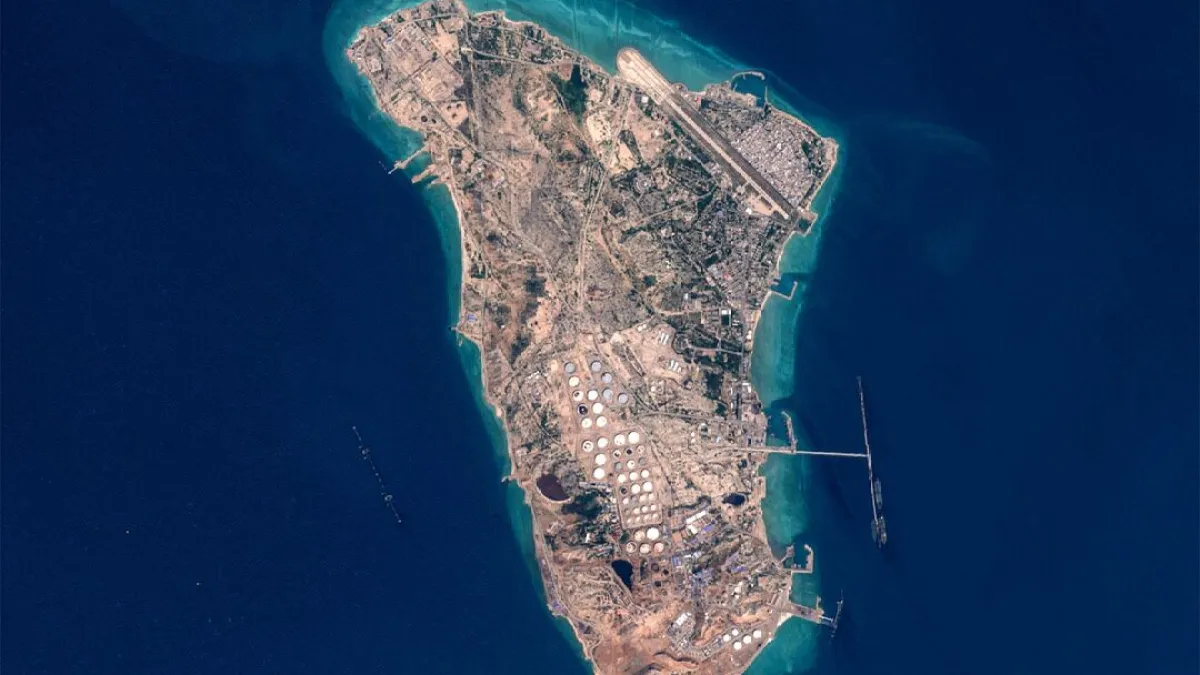
In an interview with Al Jazeera Mubasher, Mulroy clarified that discussions within U.S. circles do not revolve around a full-scale invasion of Iran, but rather a limited operation aimed at securing strategic islands in the strait, particularly Kharq Island, for a short period, in addition to conducting special operations aimed at accessing enriched uranium. Nevertheless, he stressed that this mission would be extremely challenging and could last for weeks, despite its limited scope.
Details of the Situation
Mulroy pointed out that comparing the current situation to the experience of the U.S. withdrawal from Afghanistan is inaccurate, explaining that that war was long and tied to state-building efforts, whereas the current discussion is about a limited tactical military intervention. However, he confirmed that the limited nature of the operation does not mean the absence of risks, as they may remain high given the complexities of the Iranian field.
In assessing potential scenarios, Mulroy noted that the U.S. military might be able to control Kharq Island, but that does not guarantee the achievement of strategic objectives. Iran could continue to target U.S. forces or refuse to reopen the strait, rendering the operation futile, especially if the infrastructure intended for use is damaged.
Context and Background
These warnings come at a time of escalating tensions between the United States and Iran, as Washington seeks to curb Iranian nuclear activities. Previous events have shown that any military intervention in the region could lead to significant escalation, raising concerns about the stability of the entire region.
The issue of obtaining enriched uranium remains uncertain, particularly after previous attacks on nuclear sites in cities like Isfahan, meaning that targeted materials may be buried under rubble that is difficult to access, even with the best military units available.
Implications and Consequences
Domestically, Mulroy indicated that public opinion does not necessarily support the deployment of ground troops, warning that any casualties could lead to a decline in public support. Additionally, Congress's stance remains undecided, but it may oppose the operation in the event of casualties.
Regarding the potential for military escalation, Mulroy noted that any military action could destabilize Gulf Arab states, which rely on the Strait of Hormuz for oil trade. This could have far-reaching implications for global oil markets and regional stability.
Regional Significance
The situation in Iran is crucial not only for U.S. foreign policy but also for the broader Middle East. Any military action could trigger a chain reaction affecting neighboring countries and international relations.
In conclusion, Mulroy's warnings highlight the potential dangers of any U.S. military intervention in Iran, reflecting the challenges Washington faces in achieving its strategic goals while maintaining regional stability.