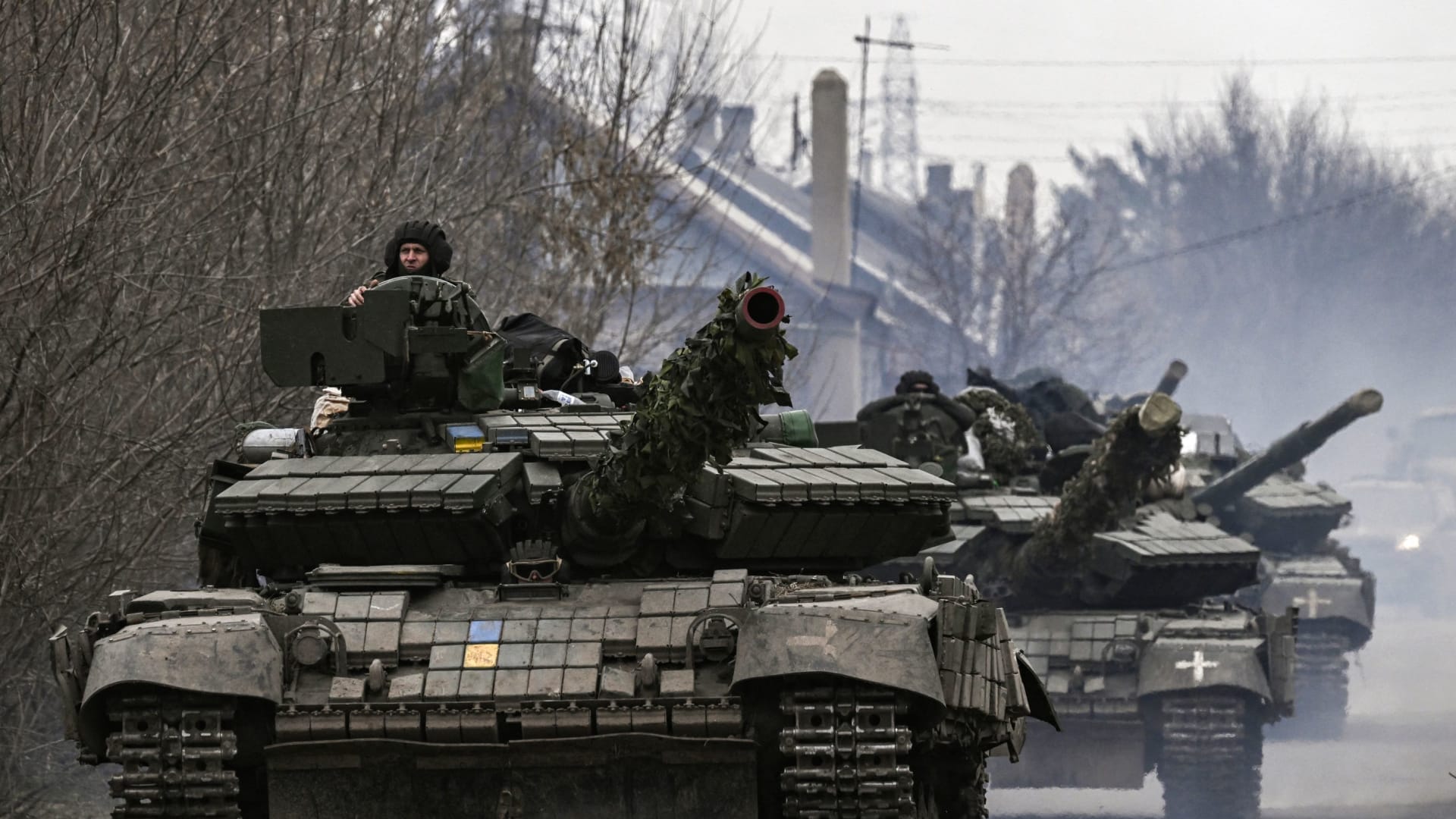
Eva Skog Haslum, the Swedish military official, warns that Russian forces will benefit from the lessons learned during the war in Ukraine once a peace agreement or ceasefire is reached. She noted that Russia has already begun to restructure its forces, indicating that the conflict may extend beyond Ukrainian borders if not handled with caution.
In an interview with the newspaper "Le Monde," Haslum confirmed that Russian forces have learned a great deal from their experience in Ukraine, making them more prepared to face future challenges. She explained that these forces may adapt to new conditions and reorganize themselves in a way that allows them to achieve their military objectives more efficiently.
Details of the Warning
These warnings come at a sensitive time, as concerns grow that any peace agreement could lead to the rearmament of Russian forces and an update of their military strategies. Russia has already demonstrated its ability to adapt to changing conditions on the ground, making it a more dangerous adversary in the future.
Eva Skog Haslum is a prominent figure in the military field, serving as the head of military operations in Sweden. She has previously made statements regarding the situation in Ukraine, reflecting European countries' concerns about the escalation of the conflict and its impact on regional security.
Background & Context
Historically, Ukraine has faced ongoing conflicts since 2014, when Russia annexed Crimea. Since then, tensions between Russia and Ukraine have escalated, leading to a prolonged armed conflict. The war in Ukraine has shown how regional conflicts can affect global security, with increasing concerns about its repercussions on neighboring countries.
In recent years, Russia has bolstered its military presence in the region, raising alarms among European nations. These moves have led to increased military cooperation among European countries and NATO, as all parties seek to counter potential threats from Russia.
Impact & Consequences
If a peace agreement is reached, the rebuilding of Russian forces could lead to heightened tensions in the region. Russia may seek to exploit any period of calm to rearm its forces, potentially escalating the conflict in the future. This necessitates proactive measures from European countries to ensure that past scenarios do not repeat themselves.
Moreover, these developments could affect international relations, as the balance of power in the region may shift. If Russia manages to rebuild its military strength, neighboring countries may feel threatened, leading to a new arms race in the area.
Regional Significance
For Arab countries, the rising tensions in Europe could impact the stability of the region. Energy prices and global markets may be affected by any escalation in the conflict, impacting Arab economies that heavily rely on oil and gas exports.
Furthermore, an escalation of the conflict could increase tensions in other parts of the world, prompting Arab nations to adopt cautious stances in their foreign policies. Arab countries must closely monitor the situation and adapt to geopolitical changes to safeguard their national interests.