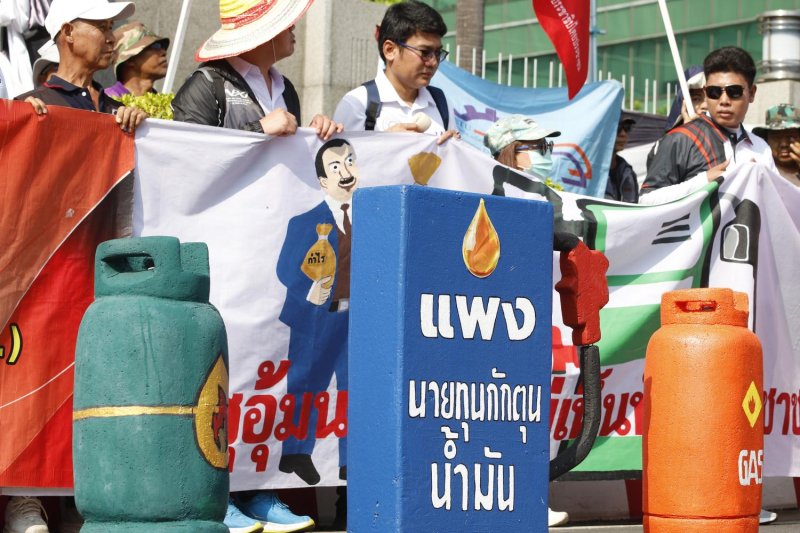
Thailand is facing significant economic challenges, with analysts warning of the looming risk of stagflation as a result of rising oil prices. As oil prices increase, inflation is expected to rise, adding pressure to an economy that is already underperforming. The new government, anticipated to assume its duties before mid-April, may find it difficult to implement broad-based stimulus measures due to high levels of public debt.
Kaseem Brunratnamala, head of research at CGS International Securities, states that the new government may launch targeted stimulus measures to support consumption, such as reviving the "Half Half Plus" program aimed at alleviating burdens on citizens. However, Kaseem does not expect significant financial incentives that could substantially boost the economy, given the tight constraints on fiscal policy.
Details of the Situation
As of the end of January, Thailand's public debt reached 66% of GDP, nearing the legal limit of 70%. This high level of debt limits the government's ability to implement comprehensive expansionary measures. Recent initiatives introduced by the interim government have focused on vulnerable segments of society rather than the population at large, indicating a continued emphasis on targeted support rather than broad-based assistance.
While gradual measures may provide some short-term relief for consumption, the overall impact on the economy is expected to be modest. Kaseem points out that the lack of comprehensive stimulus means limited benefits for medium and high consumption sectors, such as shopping malls and tourism, where spending is closely linked to economic confidence and income growth.
Background & Context
Historically, Thailand has been significantly affected by fluctuations in global oil prices, as the country heavily relies on energy imports. In March, Brent crude prices saw a 41% increase, further pressuring the Thai economy, which is already grappling with a substantial trade deficit in the energy sector amounting to 7.8% of GDP. This deficit surpasses many of its Asian counterparts, complicating the economic situation.
Additionally, Thailand's public debt has notably risen from 60% of GDP in 2022, following the Russian-Ukrainian war, which has increased financial pressures on the government. These conditions make it challenging for the government to provide significant financial support to counter rising fuel prices.
Impact & Consequences
With rising oil prices, Thailand faces a dual challenge of increasing inflation and declining consumer purchasing power. Analysts at KGI Securities expect local fuel prices to rise further in April, leading to increased inflation, which may negatively impact consumers' purchasing power and increase burdens on industries reliant on logistics and energy costs.
Investor concerns are growing regarding the economic impact of these negative factors, which outweigh the potential positive effects of domestic policies, including the formation of the new government and expectations for consumer stimulus, increased public investment, and foreign direct investment.
Regional Significance
Arab countries are also affected by fluctuations in oil prices, as many of these nations are major producers and exporters of oil. Rising oil prices may lead to increased revenues in producing countries, but they can also create economic pressures on oil-importing nations. Therefore, the economic situation in Thailand may have indirect effects on Arab markets, especially amid the increasing reliance on energy.
In conclusion, the economic situation in Thailand remains under scrutiny, requiring effective and flexible government strategies to address current challenges, particularly in light of volatile global economic conditions.