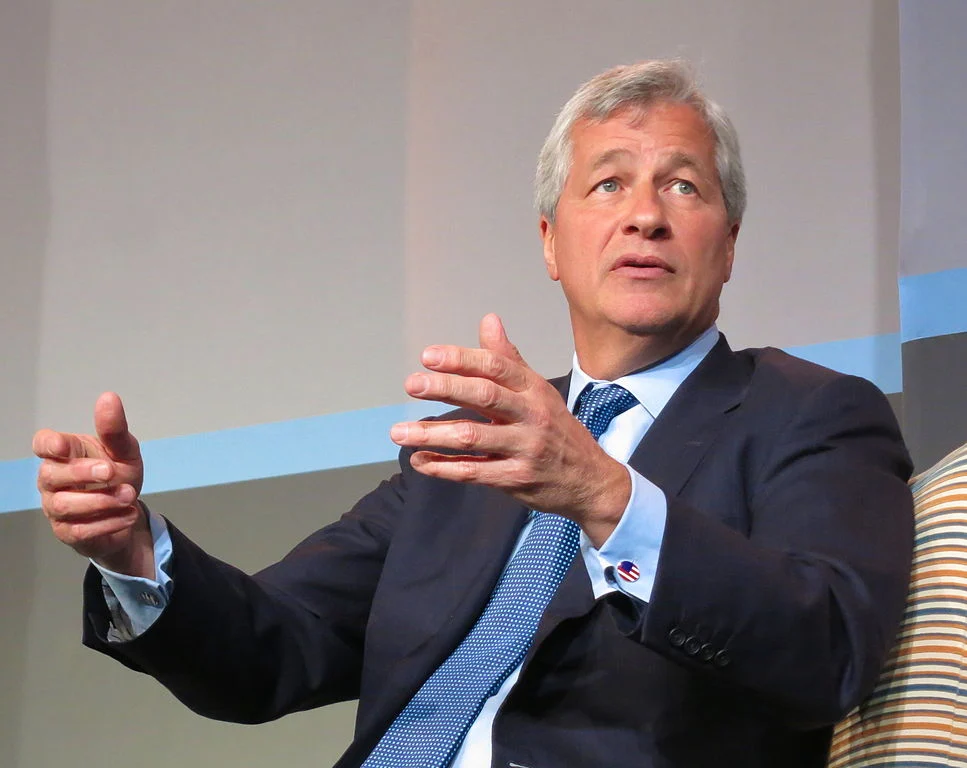
JPMorgan Chase CEO Jamie Dimon has raised alarms about the significant risks stemming from potential war in Iran, indicating that such a conflict could lead to shocks in oil and commodity prices. Dimon emphasized that these shocks could maintain inflation at elevated levels, threatening the stability of financial markets.
Dimon's warnings come at a sensitive time, as the global economy is grappling with rising inflationary pressures. He noted that these pressures might push interest rates higher than current market expectations, which could negatively impact economic growth.
Details of the Warning
During an economic conference, Dimon elaborated that conflicts in the Middle East, particularly the war in Iran, could result in significant fluctuations in oil prices. These fluctuations could affect consumers' cost of living, thereby increasing inflationary pressures.
He also pointed out that financial markets could face new challenges due to these conditions, as they are expected to react to any changes in commodity prices. He warned that these dynamics could lead to instability in global financial markets.
Background & Context
Historically, the Middle East has experienced numerous conflicts that have impacted oil and commodity prices. The war in Iran is no exception, as any escalation in the conflict could heighten geopolitical risks, adversely affecting global markets.
In recent years, several events have led to rising oil prices, such as sanctions imposed on Iran and tensions between major powers. These events have had direct effects on the global economy, underscoring the importance of Dimon's warnings.
Impact & Consequences
If the war in Iran continues, we are likely to witness an increase in oil prices, which will lead to higher production and transportation costs. This, in turn, could result in rising prices for goods and services, exacerbating the inflation crisis faced by many countries.
Moreover, rising interest rates could impact investments, as investors may hesitate to inject funds into markets due to increasing risks. Consequently, economic growth in many countries could slow down, increasing pressure on governments to take proactive measures.
Regional Significance
For Arab countries, any escalation in the Iranian war could directly impact their economies. Oil-producing nations may benefit from rising prices, but importing countries will suffer from increased costs.
Furthermore, escalating tensions could lead to political instability in the region, which may affect foreign investments and heighten economic uncertainty.
In conclusion, Dimon's warnings serve as a wake-up call for global markets, as investors and policymakers must be aware of the potential ramifications of conflicts in the Middle East.