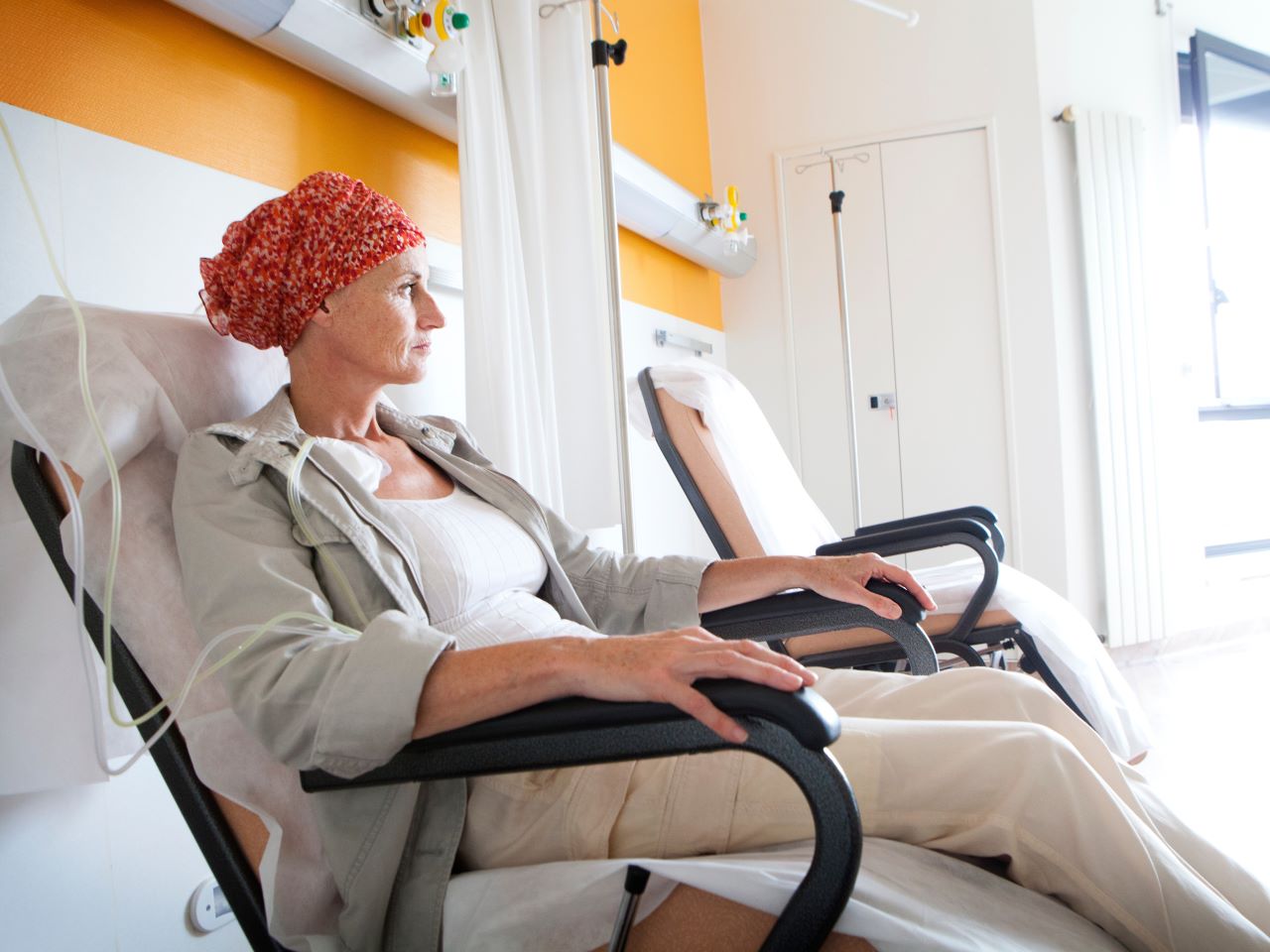
The Dean of the Oncology Institute has raised alarms regarding the significant risks faced by cancer patients due to misleading information prevalent on social media platforms. He pointed out that such misinformation could lead to incorrect treatment decisions, adversely affecting patients' health.
Recently, there has been a surge in inaccurate information regarding cancer and its treatment methods on social media, causing concern among doctors and researchers. The Dean confirmed that many patients rely on this information, which increases the risk of their health conditions worsening.
Details of the Warning
In his statements, the Dean of the Oncology Institute clarified that much of the information circulating online comes from unreliable sources, leading to confusion among patients. He emphasized that medical information should come from certified professionals and that it is crucial to consult doctors before making any treatment-related decisions.
He also noted that some patients might ignore traditional treatments due to the negative influences of false information, potentially exacerbating their conditions. He stressed the importance of raising awareness about the dangers of relying on untrustworthy information.
Background & Context
Social media serves as a primary platform for information exchange, but it is also a major source of misinformation. In recent years, we have witnessed an increase in the number of individuals turning to the internet for health information, especially with the rise of chronic diseases like cancer.
Historically, there have been numerous cases where misinformation has led to negative outcomes for patients. Therefore, it is essential to cultivate greater awareness regarding how to handle medical information available online.
Impact & Consequences
Misinformation can lead to uninformed decisions by patients, which may affect treatment outcomes. This phenomenon could also increase pressure on the healthcare system, as additional medical interventions may be required due to the worsening of health conditions.
Moreover, the spread of false information can contribute to heightened anxiety and fear among patients and their families, impacting their psychological and social quality of life.
Regional Significance
In the Arab region, where many individuals face significant health challenges, it becomes crucial to enhance awareness regarding accurate medical information. There should be collaborative efforts between governments and health institutions to provide patients with precise and updated information.
Patients should be encouraged to consult specialized doctors and not rely solely on information available online. These steps can help improve treatment outcomes and reduce health risks.