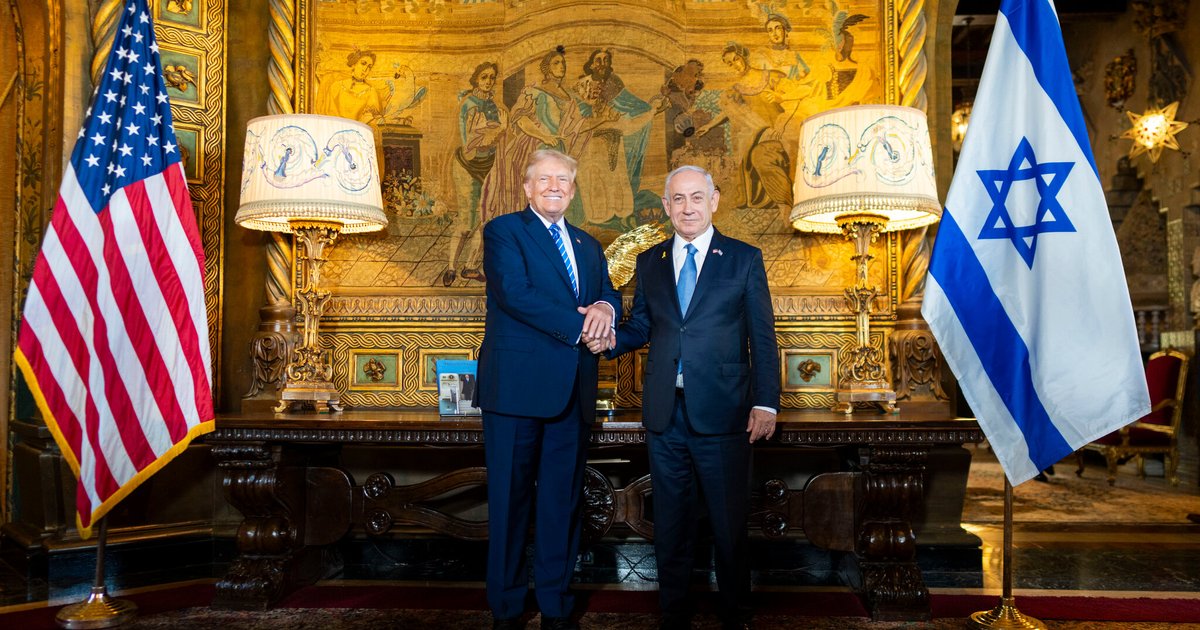
Iranian Parliament Speaker Mohammad Baqer Qalibaf has warned former U.S. President Donald Trump that listening to Israeli Prime Minister Benjamin Netanyahu's advice may exacerbate the situation in the Middle East. Qalibaf made these remarks during a session of the Iranian parliament, emphasizing that such steps could lead to the "burning of the region."
These statements come at a time when relations between Iran and Israel are increasingly strained, with both countries exchanging accusations regarding support for armed groups in the region. Qalibaf believes that any American support for Israel will heighten tensions and negatively impact regional security.
Details of the Warning
In his remarks, Qalibaf indicated that Iran would not remain idle in the face of any threats arising from American and Israeli policies. He considered the alliance between the United States and Israel a direct threat to Iranian national security. Qalibaf also called for enhanced cooperation among Islamic countries to confront shared challenges.
These statements follow a series of events in the region, including military escalations between Israel and Palestinian factions, which have resulted in numerous casualties. This escalation reflects Iranian concerns regarding the role of the United States in supporting Israel during these sensitive times.
Background & Context
Historically, relations between Iran and Israel have been tense since the Iranian Islamic Revolution in 1979. Since then, Iran has taken an opposing stance to Israeli policies in the region, particularly regarding the Palestinian issue. Recent years have seen a rise in tensions, especially with increased Israeli military activities against Iran and its allies in the region.
At the same time, the United States is seeking to bolster its alliances in the Middle East, complicating the situation further. Trump's support for Netanyahu is seen as part of this strategy, raising Iranian fears that this alliance could lead to military escalation.
Impact & Consequences
The Iranian statements could lead to increased tensions in the region, as Iran may take military or political actions in response to any American or Israeli moves it perceives as threats. Any escalation in military actions could affect the stability of the entire region, negatively impacting the global economy.
Iran seeks to strengthen its position in the region by supporting armed groups, which could exacerbate conflicts in neighboring countries. Simultaneously, American policies may provoke unexpected reactions from other countries in the region, further complicating the situation.
Regional Significance
These statements are particularly significant for Arab countries, as they could impact security and stability in the region. Should tensions escalate, Arab nations may find themselves compelled to take clear stances regarding the Iranian-Israeli conflict, potentially leading to new divisions within the Arab world.
In conclusion, the situation in the Middle East remains complex, with regional and international interests heavily intertwined. Recent Iranian statements reflect growing concerns over American and Israeli policies, highlighting the need for dialogue and cooperation among nations to achieve security and stability in the region.