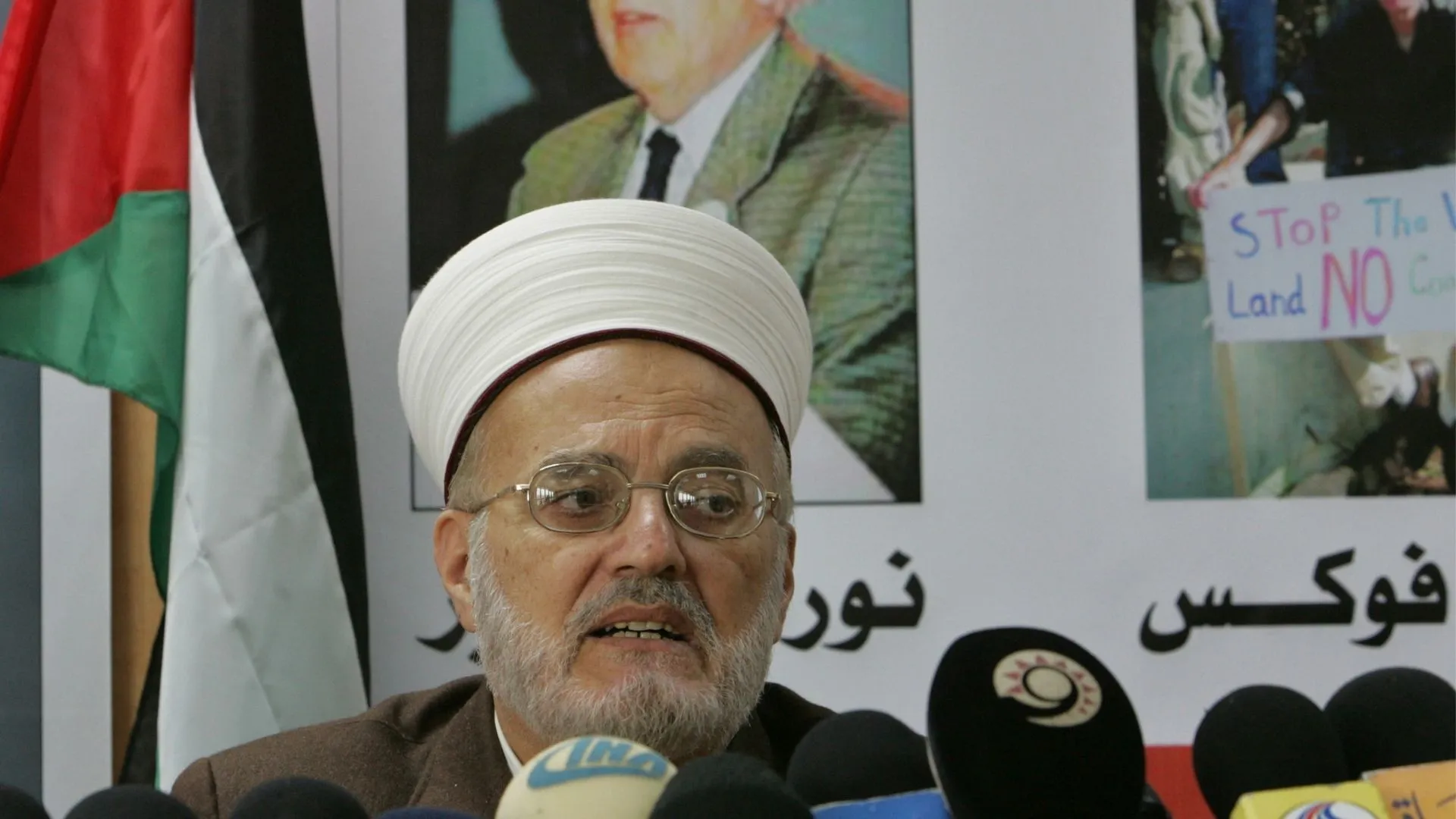
Sheikh Ikrima Sabri, the imam of Al-Aqsa Mosque and the head of the Islamic Higher Committee in Jerusalem, has warned about the repercussions of the continued closure of Al-Aqsa Mosque and the prohibition of Friday prayers there. This warning comes after the occupation prevented hundreds of thousands of Muslims from praying at Al-Aqsa during Ramadan and Eid al-Fitr.
In an interview with Al Jazeera, Sheikh Sabri expressed his sorrow and pain over the closure of Al-Aqsa Mosque, pointing out that preventing Muslims from performing their prayers contradicts the freedom of worship. He affirmed that Al-Aqsa Mosque is a sacred place for all Muslims, not just for the people of Palestine.
Details of the Event
The occupation authorities closed Al-Aqsa Mosque under the pretext of declaring a state of emergency, coinciding with the start of the joint American-Israeli attack on Iran on February 28. This measure has sparked widespread outrage among Muslims around the world, who view the closure of Al-Aqsa as a blatant violation of their religious rights.
In response to the security justification put forth by the occupation authorities, Sheikh Sabri stated, "Mosques are open in Palestine in general, and markets are also open, but the closure of Al-Aqsa is unjustified." He expressed his fear of direct intervention by the occupying authorities in the management of Al-Aqsa Mosque, which could lead to the imposition of sovereignty and control over it.
Background & Context
Historically, Al-Aqsa Mosque is considered one of the holiest sites in Islam and is an integral part of Palestinian identity. Jerusalem has witnessed numerous historical events that reflect the ongoing conflict between Palestinians and the Israeli occupation. Since 1967, Al-Aqsa Mosque has faced several attempts by the occupation to control it, provoking angry reactions from Muslims worldwide.
Sheikh Sabri, who has been summoned for interrogation by Israeli intelligence due to his repeated calls for the mosque to be opened, has reiterated his firm stance that the closure of Al-Aqsa is not permissible under Islamic law. He noted that this position is not new but rather a reaffirmation of Muslims' rights to perform their religious duties freely.
Impact & Consequences
The continued closure of Al-Aqsa Mosque may lead to escalating tensions in the region, as Al-Aqsa is a symbol of Palestinian resistance. This situation could result in increased protests and demonstrations in various Palestinian cities, negatively impacting security and stability in the area.
Moreover, the closure of Al-Aqsa affects relations between Islamic countries and the Israeli occupation, as Sheikh Sabri calls on Arab and Islamic peoples to act to pressure their governments to intervene and open Al-Aqsa Mosque. These calls could lead to new diplomatic initiatives in the region.
Regional Significance
Al-Aqsa Mosque represents a central issue in the Israeli-Palestinian conflict and is seen as a symbol of Islamic unity. Any violation of Muslims' rights at Al-Aqsa could provoke strong reactions from Arab and Islamic countries, potentially contributing to enhanced Arab and Islamic solidarity.
In conclusion, Al-Aqsa Mosque remains a focal point for the Islamic world, and the international community must act to protect Muslims' rights to perform their religious duties. The closure of Al-Aqsa is not merely a local issue; it is a matter that touches the feelings of millions of Muslims worldwide.