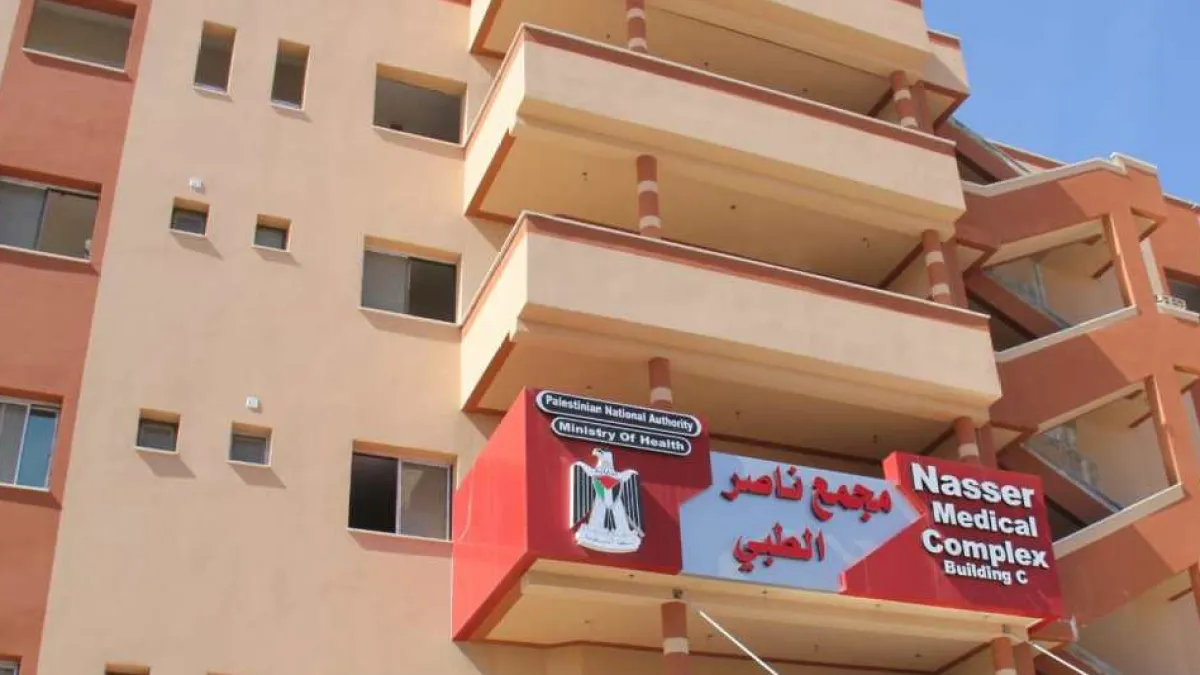
Dr. Atef Al-Hout, the director of Nasser Medical Complex in Khan Younis, has warned of an imminent danger that threatens a complete halt of health services within the complex due to the depletion of fuel necessary for operating electrical generators, which are the only source of power in the hospital.
In an interview with Al Jazeera Mubasher, Al-Hout pointed out that the health crisis in the Gaza Strip has not ceased since the beginning of the war, with hospitals facing continuous pressure due to a shortage of essential supplies, primarily fuel.
Details of the Situation
Al-Hout confirmed that the occupation authorities have allowed limited quantities of fuel to enter, but they continue to completely prevent the entry of oils, which threatens the generators that have been operating for more than two years without interruption, leading to their wear and imminent breakdown.
He explained that the management of the complex has been forced to ration electricity use to avoid a complete shutdown of the generators, reducing loads in the evening to about 600 kilovolt-amperes, which compels them to turn off air conditioning in the intensive care and operating rooms, a situation that is entirely unhealthy.
Background & Context
The energy crisis in Gaza is part of a broader humanitarian crisis, as ongoing restrictions on the entry of humanitarian aid exacerbate the situation. Most hospitals in the sector have gone out of service, with Nasser Complex being one of the last medical facilities still providing nearly comprehensive services in southern Gaza.
Hospitals require a continuous supply of fuel and oils to ensure the operation of electrical generators, which they rely on entirely to provide essential health services. Under the current circumstances, patients face the risk of death due to power outages.
Impact & Consequences
Dr. Al-Hout indicated that the shutdown of the generators would mean the complete collapse of the health system within the complex, as respiratory devices would stop functioning, putting patients in intensive care at risk of death. Additionally, oxygen supplies are directly linked to the operation of the generators, making their shutdown akin to a "death sentence" for many patients, especially children.
Nasser Hospital needs about 900 liters of oils monthly, while all of Gaza suffers from a complete lack of this vital material, forcing the hospital to reduce generator operating hours as a last resort.
Regional Significance
The repercussions of this crisis extend beyond Gaza, reflecting the deteriorating humanitarian situation in many conflict-affected areas. The continuation of the current situation warns of an imminent humanitarian disaster, necessitating urgent intervention from the international community to ensure the entry of necessary supplies.
In closing, Dr. Atef Al-Hout sent a message to the international community, stating: "We are a people who deserve to live. We are working beyond our capacity to save our patients." The current situation requires urgent action to ensure the continuity of health services in Gaza.