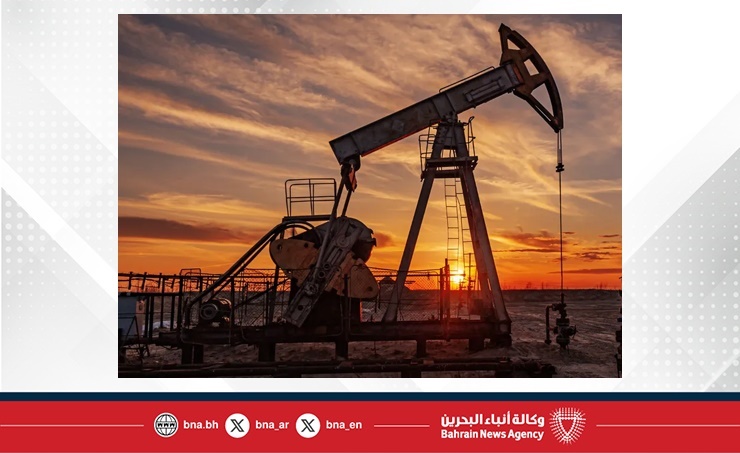
Larry Fink, CEO of BlackRock, has warned that rising oil prices to $150 per barrel could lead to a global economic recession. This warning comes at a time when global markets are experiencing sharp volatility, particularly due to ongoing tensions in the Strait of Hormuz, where Iran continues to threaten maritime trade.
Oil prices are considered one of the key indicators of global economic health, affecting transportation and production costs, which in turn impacts the prices of goods and services. Fink noted that the continuation of tensions in the region could exacerbate economic conditions, putting additional pressure on global markets.
Details of the Warning
In recent statements, Fink confirmed that oil prices could rise significantly if tensions in the Middle East persist, especially in the Strait of Hormuz, which is a vital transit point for oil transport. This warning comes at a time when the global economy is facing multiple challenges, including inflation and rising interest rates.
He also pointed out that any significant increase in oil prices could lead to reduced economic growth in many countries, increasing the likelihood of the global economy entering a recession. Financial markets reacted negatively to these statements, with stocks declining in several global exchanges.
Background & Context
Historically, oil prices have experienced significant fluctuations due to geopolitical crises, with wars and conflicts in the Middle East often causing sudden price spikes. For instance, during the Iraq War, oil prices surged dramatically, impacting the global economy as a whole.
Iran is one of the major oil-producing countries, and any threats from it directly affect global markets. In recent years, relations between Iran and the West have been increasingly strained, leading to economic sanctions on Tehran, which have impacted its oil production.
Impact & Consequences
If oil prices continue to rise, this could lead to increased living costs in many countries, affecting citizens' purchasing power. Additionally, rising prices may lead to higher inflation rates, putting further pressure on governments to address economic conditions.
Moreover, an economic recession could result in job losses and increased unemployment rates, negatively impacting social stability in many countries. Thus, Fink's warnings reflect the growing concern about the future of the global economy.
Regional Significance
Arab oil-producing countries, such as Saudi Arabia and Iraq, are among the most affected by fluctuations in oil prices. Any significant rise in prices could lead to increased oil revenues for these countries, but it may have negative effects on oil-importing nations.
At the same time, tensions in the Strait of Hormuz could increase security risks, affecting trade and transportation in the region. Therefore, the situation in Iran and the Strait of Hormuz remains under close observation by many Arab countries.
In conclusion, warnings of rising oil prices to $150 per barrel raise concerns about the future of the global economy. Amid ongoing tensions in the Middle East, the question remains open regarding how these conditions will impact global markets and local economies.