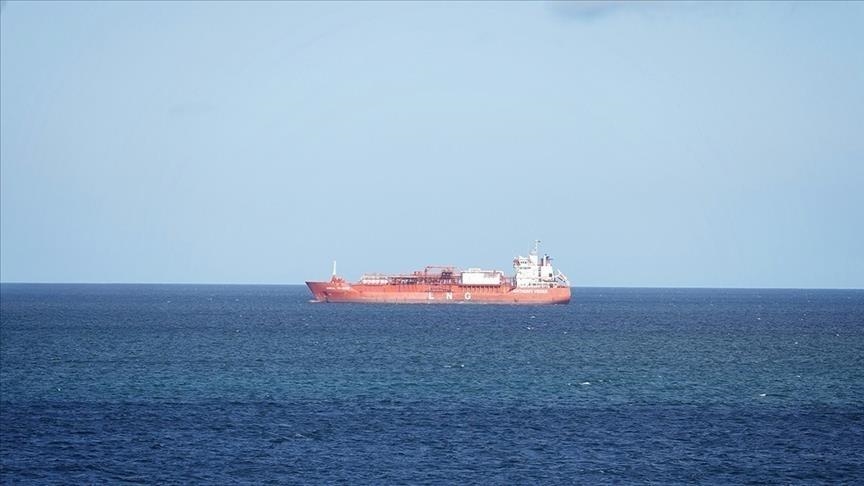
The Food and Agriculture Organization (FAO) of the United Nations has reported that the crisis in the Hormuz Strait could lead to ongoing disruptions in global commodity flows, even if the US-Israeli conflict against Iran comes to an end. These statements come at a time when the region is experiencing increasing tensions that are affecting global markets.
The FAO indicates that the economic impact of the conflict may extend beyond the geographical boundaries of the strife, raising concerns about price stability and the availability of essential goods in global markets. The Hormuz Strait is a vital point for oil and gas transportation, with approximately 20% of the total volume of oil transported by sea passing through it.
Details of the Situation
In its latest report, the FAO confirmed that any further escalation in the conflict could exacerbate conditions, impacting global supply chains. Even if an agreement to cease hostilities is reached, the economic repercussions may last for a long time, affecting food prices and essential goods.
These statements serve as a warning to the international community about the urgent need for action to ensure market stability. The FAO has also called on countries to enhance cooperation in the field of food security to address future challenges.
Background & Context
Historically, the Hormuz Strait has witnessed numerous crises due to political and military tensions in the region. For decades, this strait has been a theater for conflicts among major powers, affecting the stability of global oil markets. In recent years, tensions between Iran and the United States have escalated, increasing concerns about navigation security in the area.
There are growing fears that any military escalation could lead to the closure of the strait, significantly impacting oil and gas flows to global markets. This could negatively reflect on the global economy, especially amid the economic crises faced by many countries.
Impact & Consequences
The consequences of the crisis in the Hormuz Strait are severe, as they could lead to a significant increase in oil prices, affecting transportation and production costs across various sectors. Additionally, disruptions in the flows of essential goods could lead to shortages of food, increasing pressure on low and middle-income households.
Moreover, the continuation of these crises could worsen humanitarian conditions in the region, where many countries are suffering from food and health crises due to ongoing conflicts. Thus, the need for a coordinated international response has become more urgent.
Regional Significance
The crises in the Hormuz Strait directly affect Arab countries, as many of these nations rely on oil and gas imported from the region. Any rise in oil prices will impact the budgets of Arab countries, potentially leading to reduced government spending and increased social pressures.
Furthermore, the tense situation could lead to increased migration and displacement from conflict areas, exacerbating the challenges faced by neighboring countries. In this context, Arab nations must enhance cooperation among themselves to address these challenges and ensure regional stability.
In conclusion, the situation in the Hormuz Strait remains a pivotal point affecting food and economic security worldwide. It requires the international community to take urgent steps to ensure market stability and prevent future crises.