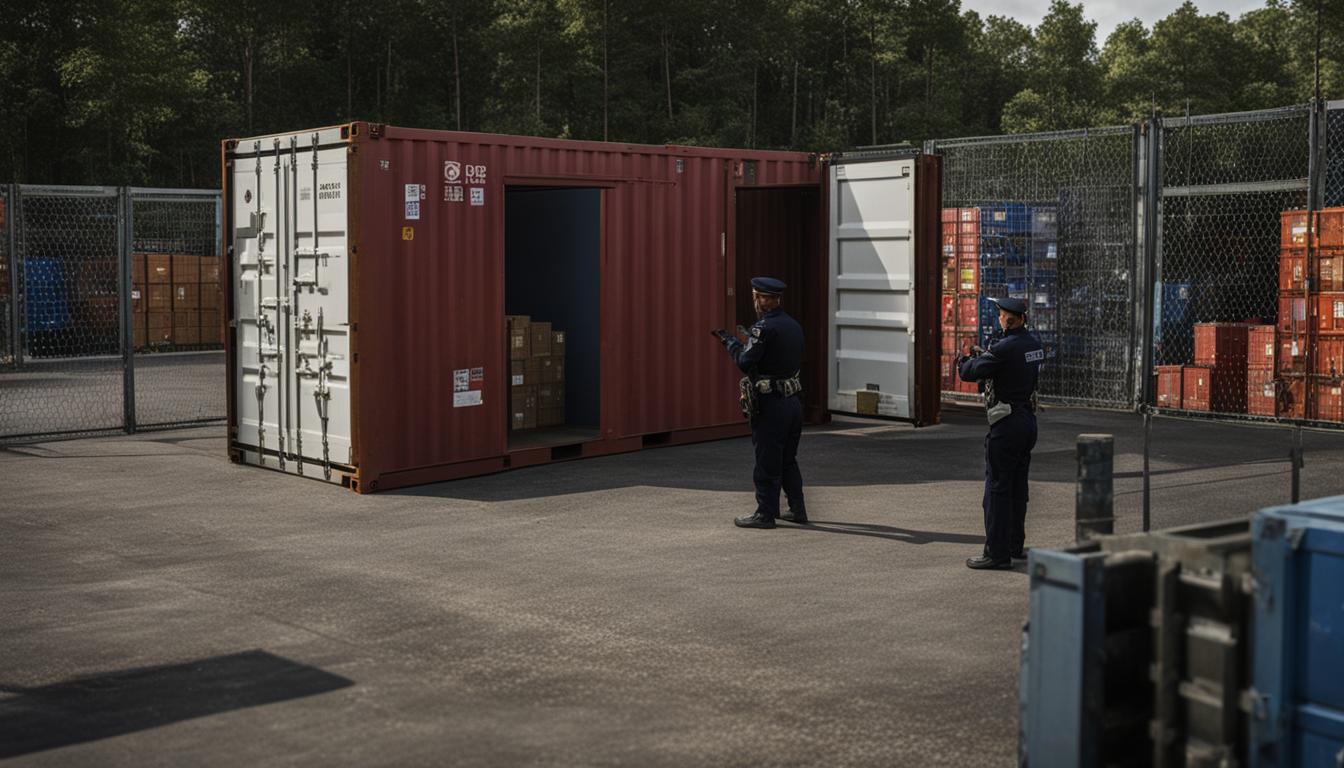
Concerns are rising over the spread of illegal methods to expedite customs shipments, with reports suggesting the possibility of bribing officials. Such practices could negatively impact trade and the customs system.
Amid economic crises affecting many countries, traders are seeking quick ways to deliver their shipments. However, resorting to bribery is a violation of laws and exposes those involved to legal penalties.
Details of the Incident
Some websites have circulated information indicating that there are ways to pay bribes to customs officials to expedite the release of shipments. This information has sparked widespread debate among traders and importers, who believe that such practices could lead to the spread of corruption within the customs system.
This phenomenon comes at a time when many countries are suffering from severe economic crises, prompting some to take illegal steps to overcome obstacles. Reports have shown that some traders prefer to pay small amounts of money rather than wait for legal procedures that may take a long time.
Background & Context
Historically, bribery has been a common phenomenon in many customs systems around the world. However, governments have begun to take strict measures in recent years to combat this issue. Many countries have launched programs to combat corruption and enhance transparency in customs transactions.
Despite these efforts, economic pressures may drive some back to these practices. Experts believe that corruption in the customs system can negatively affect the national economy and increase trade costs.
Impact & Consequences
These practices lead to the spread of corruption in the customs system, which adversely affects international trade. Bribery can increase shipping costs, impacting the final prices of goods in the markets.
Moreover, the spread of corruption may lead to a loss of trust in the customs system, potentially driving investors to seek alternative markets. This, in turn, can affect economic growth and increase unemployment rates.
Regional Significance
In the Arab region, foreign trade is considered one of the main drivers of the economy. However, the spread of bribery in customs systems may hinder economic development efforts and widen the gap between countries.
Many Arab countries are striving to improve the business environment and enhance transparency, but challenges remain. Therefore, addressing this phenomenon requires international cooperation and radical reforms in customs systems.
In conclusion, governments and civil societies must work together to combat corruption and promote transparency in customs transactions. Fair and sustainable trade is the only way to achieve sustainable economic development.