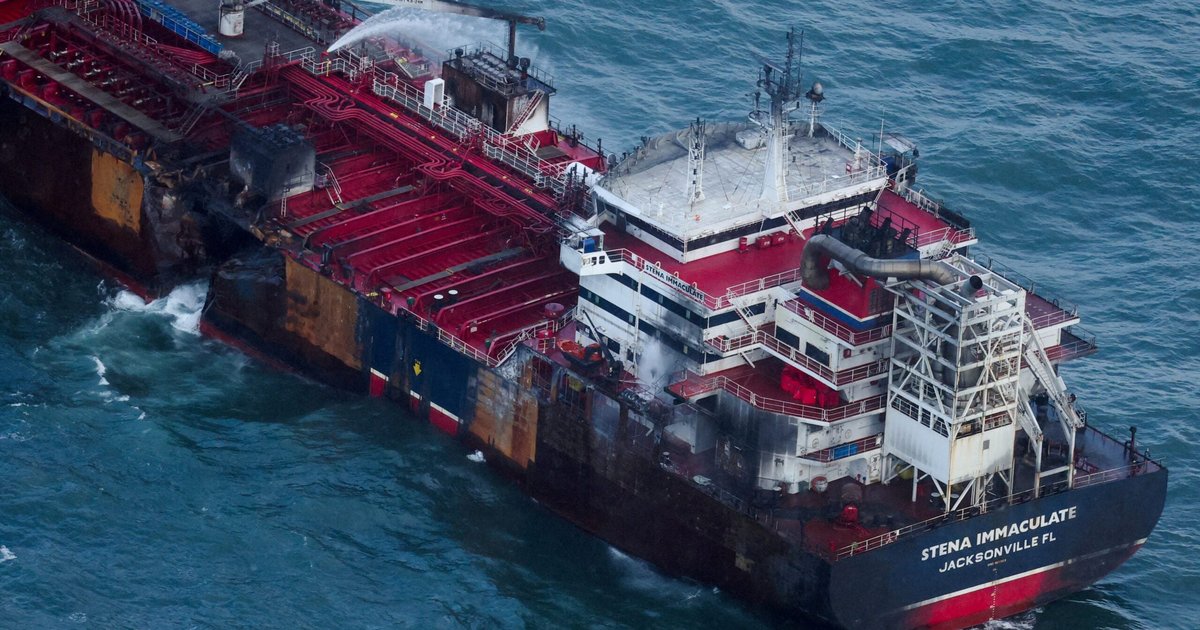
The Secretary-General of the Gulf Cooperation Council, Naif Al-Zayani, has warned of the consequences of a more than 90% decline in oil tanker traffic in the Strait of Hormuz. Al-Zayani emphasized that this decline reflects the international community's failure to take effective measures to protect maritime navigation in this vital area.
In his statements, Al-Zayani pointed out that the Strait of Hormuz is one of the most important waterways in the world, through which approximately 20% of total global oil exports pass. Recently, there has been an escalation in security tensions, negatively affecting maritime traffic.
Details of the Situation
According to reports, the sharp decline in the number of oil tankers crossing the Strait of Hormuz is attributed to several factors, including increasing security threats, rising insurance costs, and fears of potential attacks on vessels. This situation has increased pressure on global oil prices, adversely affecting economies reliant on these resources.
Al-Zayani also noted the urgent need for greater international cooperation to ensure the safety of navigation in the region. He called on member states of the Gulf Cooperation Council to enhance coordination among themselves to address these challenges.
Background & Context
The Strait of Hormuz is a vital transit point for oil and natural gas, considered the lifeblood of Gulf economies. Historically, this strait has witnessed numerous crises and tensions, particularly during periods of regional conflict. With rising tensions between Iran and the United States, concerns about disruptions to maritime traffic have become more pronounced.
In recent years, the region has seen an increase in military activities, heightening fears of incidents that could impact shipping movements. These circumstances have led to a decline in confidence among shipping companies, contributing to the reduced number of crossing tankers.
Impact & Consequences
The impact of this decline is not limited to maritime traffic alone; it extends to the global economy. With supplies diminishing, oil prices may rise significantly, affecting energy costs and increasing inflationary pressures in many countries. This situation could exacerbate economic crises in nations that rely on oil as a primary source of revenue.
Furthermore, the continued decline in tanker movements may weaken the ability of Gulf countries to achieve their economic goals, particularly in light of the economic diversification plans they are pursuing.
Regional Significance
The decline in oil tanker traffic in Hormuz is indicative of the security challenges facing the Arab region. Arab countries, especially those dependent on oil exports, may find themselves in a difficult position if this situation persists. Additionally, rising tensions could exacerbate political crises in the region.
In conclusion, the current situation requires a swift and effective response from the international community to ensure the safety of navigation in the Strait of Hormuz. Strengthening cooperation among the concerned countries is a crucial step in protecting economic and security interests in the region.