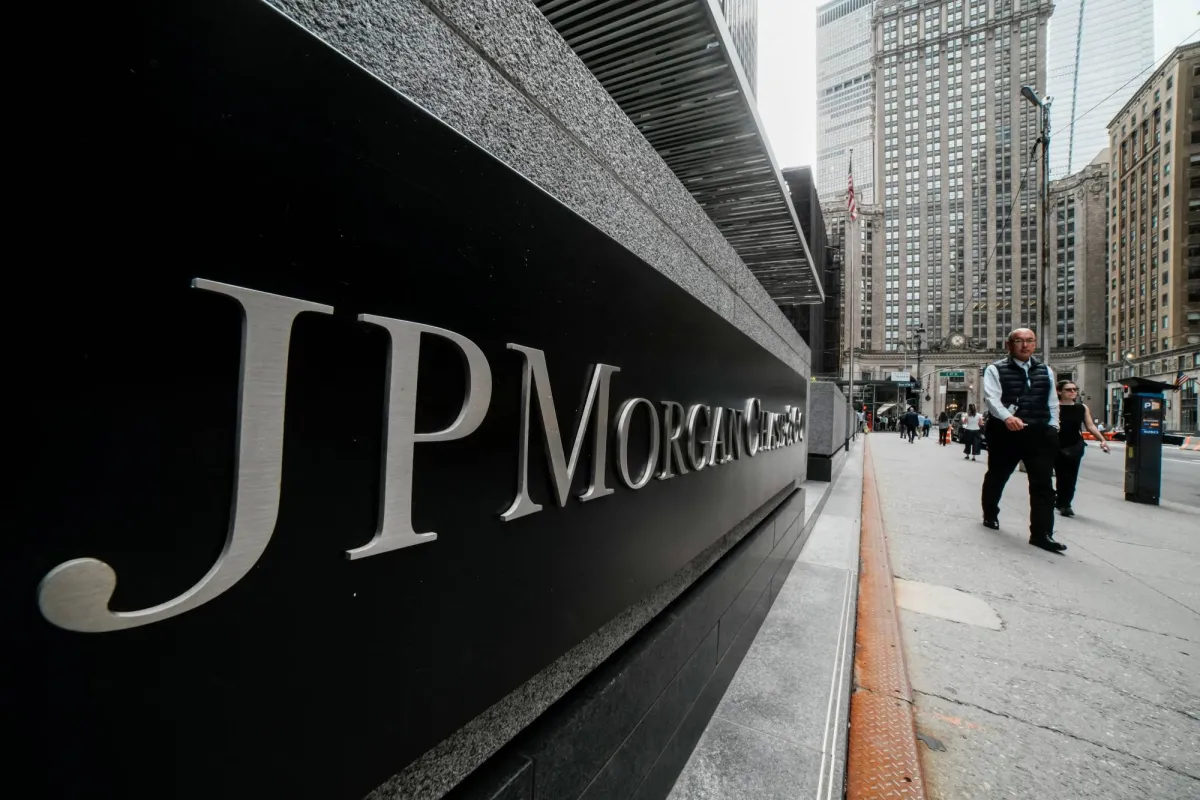
Jamie Dimon, the CEO of JPMorgan Chase, cautioned in his annual letter to shareholders that the war in Iran could result in significant shocks to oil and commodity prices, which may keep inflation elevated and drive interest rates to levels higher than current market expectations.
This warning follows U.S. President Donald Trump's escalation of pressure on Iran, threatening to target Iranian power stations and bridges if the Strait of Hormuz, a vital waterway, is not reopened. Dimon, who has led the bank for two decades, noted that the private credit sector does not pose a systemic risk, despite recent moves by investors to withdraw their investments from private credit funds.
Details of the Event
In discussing economic challenges, Dimon highlighted geopolitical risks in Ukraine, tensions in the Middle East, and strained relations with China. He emphasized that the war in Iran could lead to ongoing shocks in oil and commodity prices, potentially resulting in persistent inflation and higher interest rates than the market currently anticipates. He also pointed out that nuclear proliferation remains the greatest threat from Iran.
Despite these challenges, Dimon clarified that the U.S. economy remains strong and resilient, with consumers continuing to spend and businesses in a good position, despite some recent downturns. However, he warned that the economy has significantly benefited from government deficit spending and previous stimulus packages, and the need for increased infrastructure spending remains urgent.
Background & Context
Data tracking ships indicated that two vessels loaded with liquefied natural gas from Qatar turned back after heading east toward the Strait of Hormuz. Had the ships successfully crossed the strait, it would have marked the first crossing of LNG shipments through the waterway since the onset of the U.S.-Israeli war on Iran. Iranian attacks have caused a halt to 17% of Qatar's LNG export capacity.
Meanwhile, the European Commission continues discussions with EU member states regarding proposed energy support and tax cuts. Rising oil and gas prices have increased pressure on EU countries, which heavily rely on energy imports from the Middle East.
Impact & Consequences
The Bank of Japan reported that rising oil prices and supply disruptions caused by the war in the Middle East could harm the economy, signaling caution regarding growth slowdown risks. The bank's report indicated that many regions have experienced pressure from rising input costs due to the Iranian war.
In Osaka Prefecture, a chemical manufacturing company reduced its production due to uncertainty over raw material supplies. The director of the Bank of Japan's Osaka branch noted that the impact may be limited for now, but if the war escalates, the extent of damage to economic activity could widen.
Regional Significance
The war in Iran poses a threat to economic security in the Arab region, affecting energy prices and commodity flows. The continuation of the conflict could exacerbate economic conditions in energy-importing countries, increasing pressure on their economies.
In conclusion, the situation in the Middle East remains volatile, with increasing effects on the global economy, necessitating close monitoring by investors and policymakers.