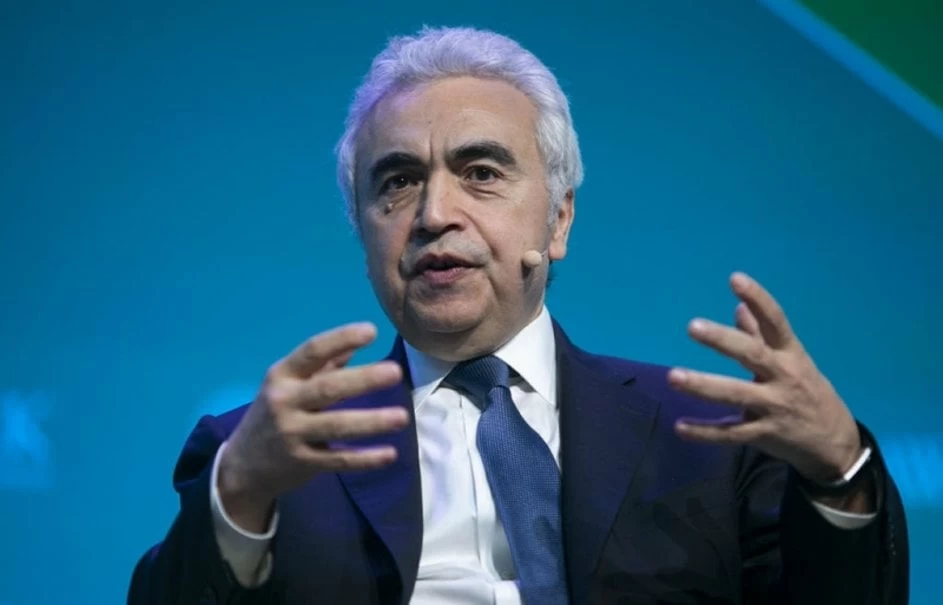
Fatih Birol, the head of the International Energy Agency, has warned that the world is facing an unprecedented energy crisis, indicating that next April could be the worst month in the history of global energy supplies. In an interview with the French newspaper 'Le Figaro', Birol confirmed that the current disruptions in energy supplies due to the conflict in the Middle East are the worst the world has ever experienced.
Birol noted that March was extremely difficult, but he anticipates that April will be much worse. He explained that if the closure of the Strait of Hormuz continues throughout the month, the world will lose twice the amount of crude oil and refined products compared to what was lost in March.
Details of the Crisis
The current crisis is considered more severe than the crises experienced in 1973, 1979, and 2022 combined. Birol pointed out that this war is obstructing one of the vital arteries of the global economy, as its repercussions extend beyond oil and gas to include fertilizers, petrochemicals, helium, and other essential materials.
He also mentioned that 75 energy infrastructures have been attacked and damaged, with more than a third suffering significant harm. He confirmed that the restoration of these infrastructures will take a long time, further complicating the current situation.
Background & Context
Historically, the world has witnessed several energy crises due to regional conflicts, but the current circumstances are particularly unique. The war in the Middle East, which intertwines international and regional interests, directly affects global energy supplies, raising concerns about global economic stability.
This crisis comes at a time when the global economy is still grappling with the repercussions of the COVID-19 pandemic, complicating matters further. Disruptions in supply chains have led to unprecedented increases in energy prices, placing additional pressure on consuming countries.
Impact & Consequences
This crisis is expected to lead to a significant increase in energy prices, which will affect the cost of living in many countries. The rise in energy prices may also contribute to increased inflation, putting additional pressure on governments to provide support to citizens.
Moreover, this crisis could accelerate the transition towards renewable and nuclear energy sources, as the world seeks to reduce its reliance on fossil fuels. Birol noted that there are reasons for optimism in this context, as the structure of the global energy system is set to change in the coming years.
Regional Significance
Arab countries are among the most affected by this crisis, as many of them rely heavily on oil and gas exports. The disruptions in the global market are expected to have negative impacts on the economies of these countries, necessitating urgent measures to adapt to the new situation.
At the same time, this crisis may provide an opportunity for Arab countries to enhance their investments in renewable energy, contributing to the achievement of sustainable development goals. However, the challenges these countries face under the current conditions require an effective and swift response.