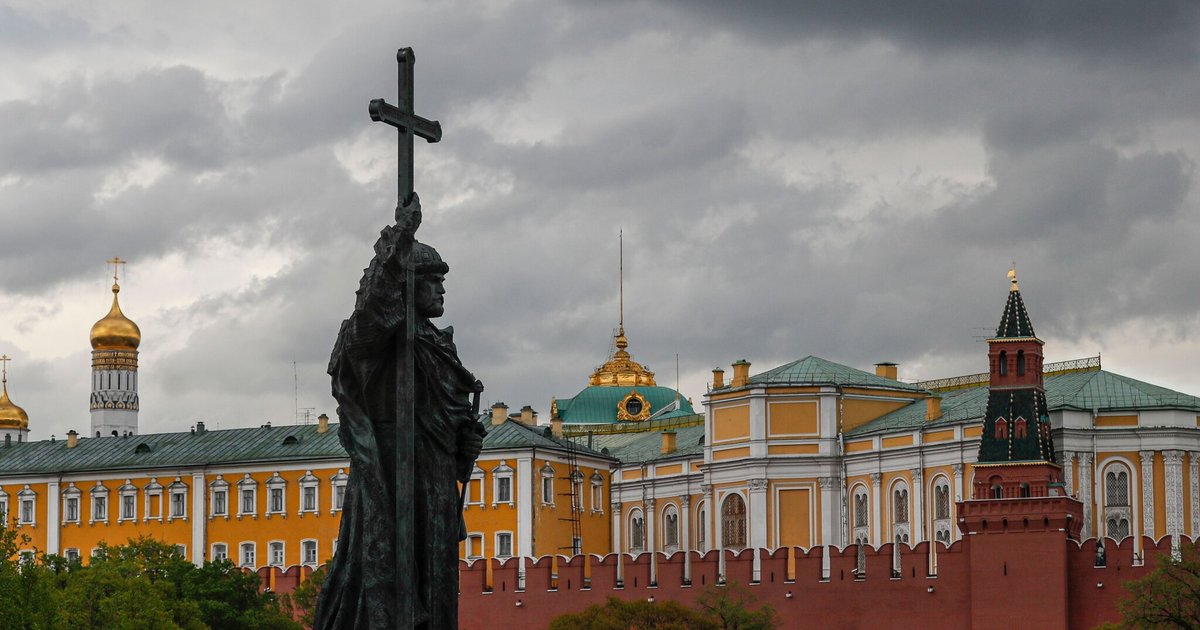
Dmitry Peskov, the spokesperson for the Kremlin, warned on Monday that tensions in the Middle East are continuously escalating, pointing out that the entire region is in a state of ignition. Peskov confirmed that these conditions have negative and severe consequences for the global economy.
Peskov considered that the aggression faced by Iran is one of the main reasons behind the escalation of these tensions, noting that the conflict has expanded to include new areas, complicating the situation further. He explained that Moscow is closely monitoring the recent statements made by U.S. President Donald Trump regarding the Strait of Hormuz, but prefers not to comment on them at this time.
Details of the Situation
In this context, Peskov confirmed that Russia is taking all necessary measures to ensure the security of its infrastructure, especially regarding gas pipelines. He pointed out that parts of the Turkish Stream and Blue Stream pipelines have been subjected to repeated attacks by the Kyiv regime, increasing the seriousness of the situation. He expressed hope that Ankara has informed Ukrainian President Volodymyr Zelensky that attacks on these lines are unacceptable.
Peskov also addressed the stalled negotiations with Ukraine, indicating that holding a trilateral meeting has become difficult due to the United States being preoccupied with many other issues. He confirmed that Ukrainians are still communicating with Americans, while Moscow continues to exchange information with Washington through available channels.
Background & Context
These statements come at a time when the Middle East is witnessing a noticeable escalation in tensions, with increasing fears of new conflicts erupting in the region. Relations between the United States and Iran have seen heightened tensions in recent years, especially after Washington's withdrawal from the Iranian nuclear agreement.
Additionally, the situation in Ukraine adds another dimension to the conflict, as attacks on critical infrastructure are increasing, raising concerns about energy security in Europe. These complex dynamics make it challenging to reach lasting solutions to the existing disputes.
Impact & Consequences
Moscow expects these tensions to lead to severe consequences for the global economy, as any escalation in the conflict could affect oil and gas prices, negatively impacting global markets. Furthermore, the continuation of these conditions could exacerbate humanitarian crises in the region, increasing civilian suffering.
At the same time, these tensions could lead to increased division among major powers, complicating peace and stability efforts in the region. It is likely that these dynamics will continue to influence international relations in the near future.
Regional Significance
The Arab region is considered one of the most affected areas by the tensions in the Middle East, as any escalation in the conflict could impact security and stability in Arab countries. Moreover, the humanitarian crises resulting from these tensions may lead to an influx of refugees and increased pressure on neighboring countries.
Additionally, tensions in the region may affect oil prices, which would reflect on the economies of oil-producing Arab countries. Therefore, monitoring these developments is of utmost importance for Arab nations.