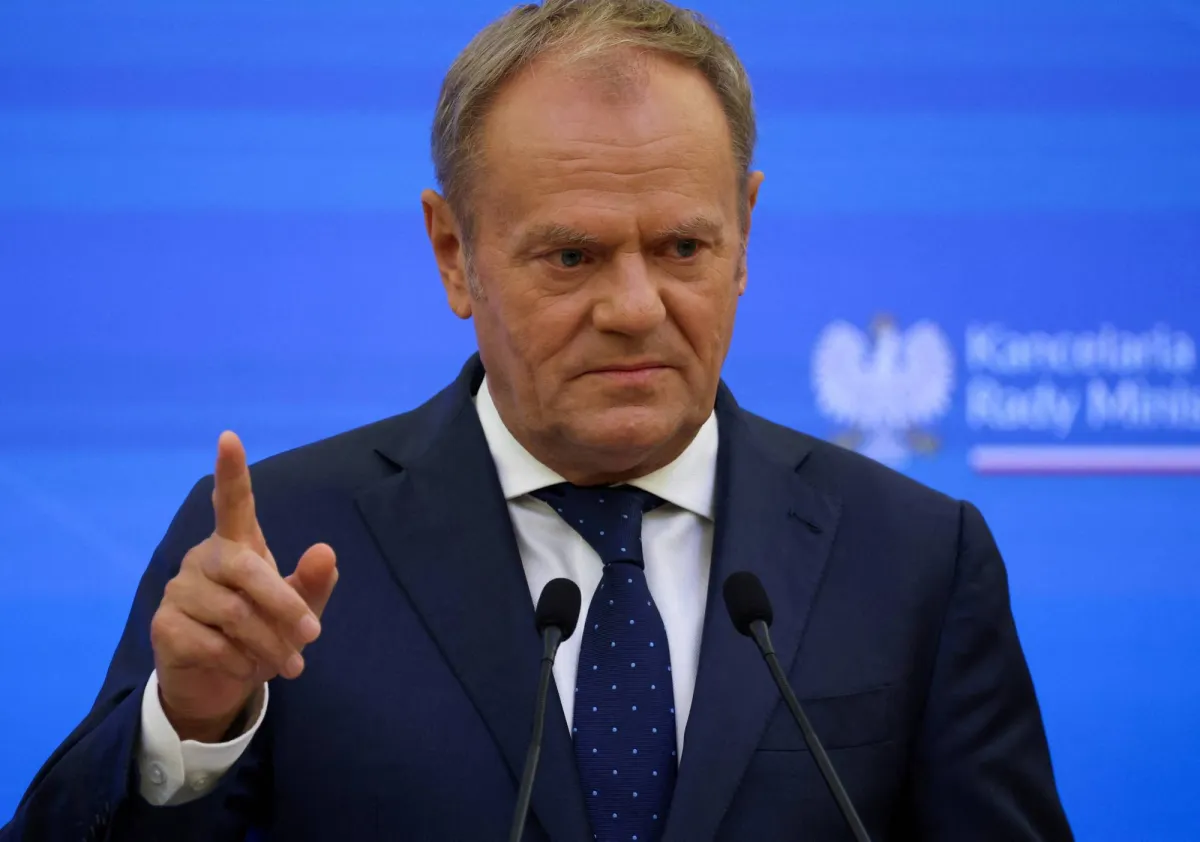
Polish Prime Minister Donald Tusk stated on Friday that there are indicators suggesting a potential escalation of the conflict in the Middle East in the coming days. Tusk explained to reporters that "I have reasons to believe, based also on information we received from our allies, that stability is unlikely in the coming days. On the contrary, a new escalation may occur."
In a related context, Maria Martinez, an official at the International Federation of Red Cross and Red Crescent Societies, confirmed that over 1900 people have died and at least 20,000 have been injured in Iran since the onset of the American-Israeli attacks. She noted that the Iranian Red Crescent remains the only national humanitarian organization operating nationwide amid the escalating conflict.
Details of the Event
In a phone call with his Pakistani counterpart Isaac Dar, Chinese Foreign Minister Wang Yi affirmed that initiating peace talks regarding the war in Iran "is not an easy task," but he indicated that these talks "will help restore navigation through the Strait of Hormuz to normal." Both parties agreed to work together towards a ceasefire and to resume peace talks to ensure the safety of non-military targets and waterways.
On the other hand, the Iranian Revolutionary Guard announced that it had intercepted three ships attempting to cross the Strait of Hormuz, emphasizing that the strait is closed to navigation to and from ports associated with the "enemy," amid the American-Israeli attack on Tehran. The Revolutionary Guard confirmed that the ships were redirected after a warning from its naval forces.
Background & Context
These statements come at a time when the Middle East is witnessing increasing tensions, particularly between Iran and the United States and its allies. The region has recently experienced a series of reciprocal attacks, heightening fears of a widespread conflict. The Strait of Hormuz is considered one of the most important waterways in the world, through which a significant percentage of global oil exports pass, making any escalation there have substantial implications for the global economy.
The humanitarian situation in Iran is also deteriorating, with reports indicating that many civilians are suffering from the effects of the conflict. The current situation reflects the urgent need for diplomatic efforts to halt the escalation and achieve peace in the region.
Impact & Consequences
If the escalation in the Middle East continues, it could exacerbate humanitarian crises and increase casualty numbers. Furthermore, ongoing tensions may affect global oil prices, negatively impacting the global economy. Additionally, any military escalation could lead to international interventions, complicating the situation in the region.
These events serve as a reminder that security in the Middle East is closely linked to global security, and any escalation in the conflict could have far-reaching consequences.
Regional Significance
The recent developments in the Middle East are a significant concern for Arab countries, as they may impact the stability of the entire region. With rising tensions between Iran and the United States, Arab nations may find themselves in a difficult position, needing to balance their national interests with international pressures.
Moreover, the deteriorating humanitarian situation in Iran could lead to refugee flows towards neighboring countries, increasing pressure on those nations. Thus, the need for sustainable diplomatic solutions becomes increasingly important to ensure regional stability and the welfare of its peoples.
In conclusion, the situation in the Middle East remains volatile and requires close monitoring by the international community. The potential escalation could have severe consequences, necessitating urgent steps towards achieving peace and stability.