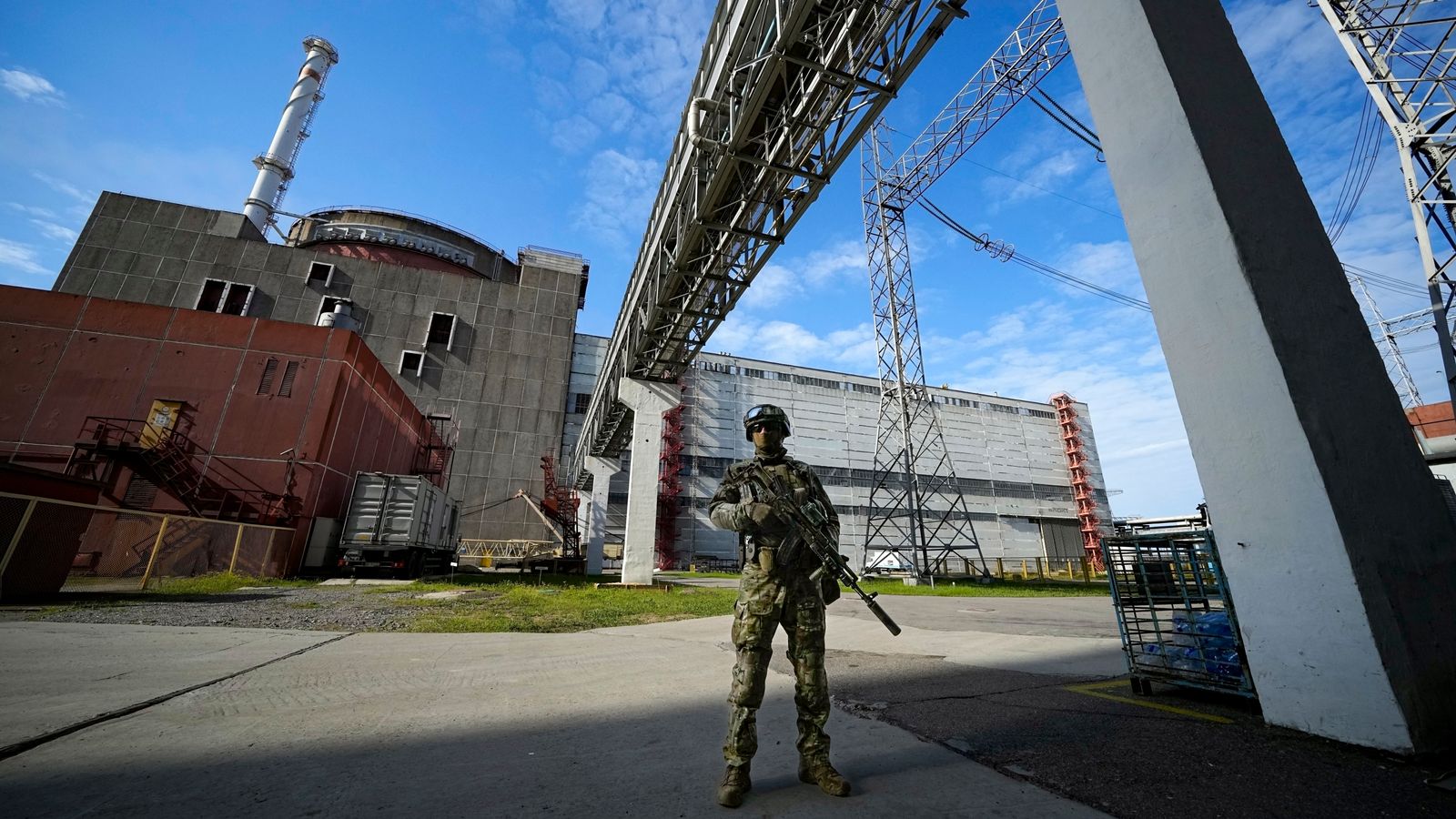
The Director General of the Russian Nuclear Energy Corporation (Rosatom), Alexey Likhachev, warned on Saturday that the shelling of the Bushehr nuclear plant in southern Iran could heighten the risk of a nuclear accident. Likhachev noted that the situation at the plant is increasingly approaching a dangerous threshold, despite operations continuing under full control and supervision.
In a related context, the Russian official announced the evacuation of 198 individuals from the plant, which was attacked in a joint operation by the United States and Israel earlier today. He explained that buses departed from the plant heading towards the Armenian-Iranian border, marking the largest evacuation the plant has witnessed.
Details of the Incident
Likhachev confirmed that Russian President Vladimir Putin is being continuously updated on the developments at the Bushehr plant. Rosatom began evacuating its employees from the facility following the outbreak of war on Iran at the end of February. The evacuations that took place today were pre-planned, prior to the International Atomic Energy Agency (IAEA) announcing the death of a member of the plant's physical protection team, and damage to a building on site due to shock waves and shrapnel.
For her part, Russian Foreign Ministry spokesperson Maria Zakharova expressed her country's concern regarding the recent attack on the plant, describing the assaults as illegal and reckless. She affirmed that Russia is making every possible effort to alert the international community that the situation at the plant is approaching a critical stage.
Background & Context
The attack carried out by the United States and Israel on the Bushehr nuclear plant resulted in one fatality, provoking widespread international reactions. The Director General of the IAEA, Rafael Grossi, expressed deep concern over the attack, emphasizing that nuclear power sites and their surrounding areas should not be targets of attacks. Grossi had previously warned that any damage to the Bushehr plant could lead to a significant radiological incident affecting a wide area both within Iran and beyond.
The Bushehr nuclear plant, with a production capacity of 1,000 megawatts, is Iran's only operational nuclear facility, covering a minimal portion of the country's electricity needs. Since February 28, Israel and the United States have been waging war on Iran, resulting in thousands of Iranian casualties, while Tehran retaliates by launching missiles and drones towards Israel.
Impact & Consequences
The attack on the Bushehr plant raises fears of greater escalation in the region, as any nuclear incident could lead to serious environmental and health repercussions. This situation may also heighten tensions between Iran and Western countries, complicating negotiations concerning Iran's nuclear program. The IAEA is expected to closely monitor the situation amid growing international concern regarding nuclear safety in the region.
It is noteworthy that the attack on the Bushehr plant comes at a sensitive time, as Iran seeks to enhance its nuclear capabilities amid increasing international pressure. This attack could provoke military responses from Iran, potentially complicating the security situation in the region.
Regional Significance
The situation at the Bushehr nuclear plant is a matter of concern for all countries in the region, as any nuclear incident could impact neighboring nations. Arab countries, especially those close to Iran, are watching the situation with anxiety, as any radioactive leak could extend to their territories. Additionally, the escalating tensions between Iran, the United States, and Israel could affect the stability of the entire region.
In conclusion, the situation at the Bushehr plant remains under observation, amid warnings of potential nuclear danger. The international community is urged to take urgent steps to ensure the safety of nuclear facilities in the region and to avoid escalating tensions.