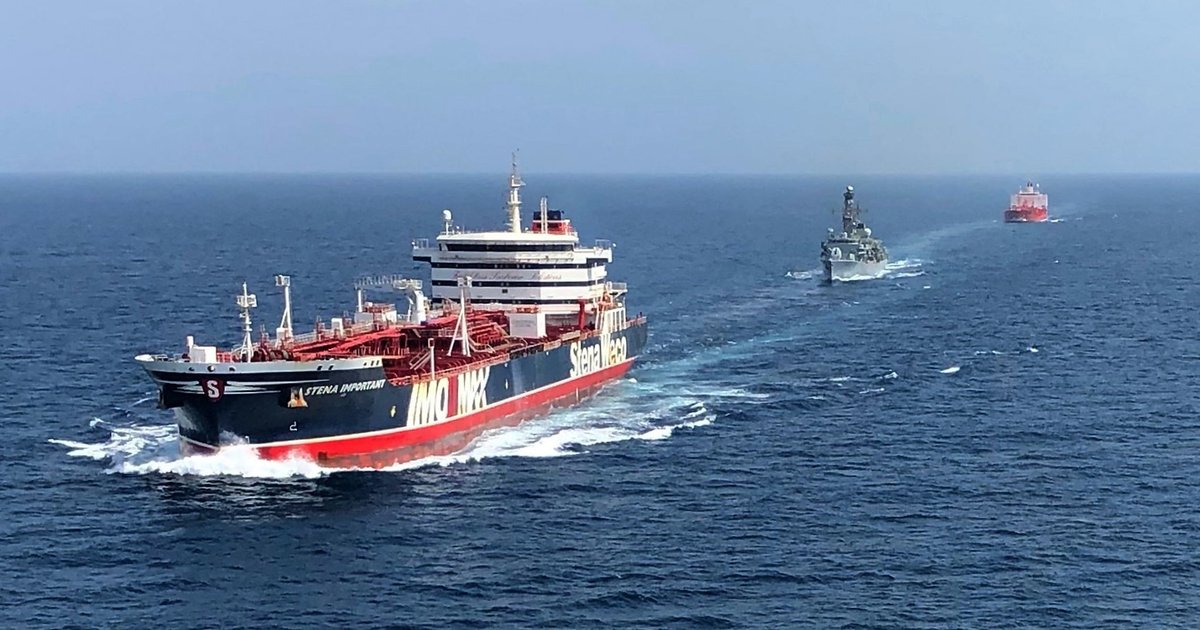
Twenty-two ships were attacked in the Strait of Hormuz, leading to significant disruptions in maritime navigation and leaving approximately 800 individuals stranded. This incident occurs at a sensitive time, as fears grow regarding its impact on global oil and gas supplies.
Officials in the region have suggested that the attacks may be linked to escalating tensions between major powers in the area, raising significant concerns about the stability of energy supplies.
Details of the Incident
The attacks targeting ships in the Strait of Hormuz, one of the world's most crucial maritime passages, have caused a substantial halt to navigation. Reports indicate that the vessels suffered severe damage, resulting in their crews being stranded at sea.
Warnings of a potential energy supply shock come at a time when the global market is experiencing significant volatility due to geopolitical crises. Experts have cautioned that these events could lead to a sharp increase in oil prices.
Background & Context
The Strait of Hormuz is a vital transit point for oil and gas transportation, with approximately 20% of the world's oil supplies passing through it. Historically, the strait has witnessed numerous conflicts and attacks, leading to ongoing tensions between competing nations.
In recent years, tensions in the region have intensified due to political and economic conflicts, making the Strait of Hormuz a focal point of international concern. The recent attacks reflect an escalation in these tensions, raising fears about their implications for the global economy.
Impact & Consequences
The attacks on ships in the Strait of Hormuz could have negative repercussions on oil and gas prices, potentially impacting the global economy. Experts predict that this incident may lead to an increase in fuel prices, affecting both consumers and businesses alike.
Moreover, the continuation of these tensions may compel major powers to take military or diplomatic actions, further complicating the situation in the region. These dynamics could exacerbate economic crises in countries that rely on energy imports.
Regional Significance
For Arab countries, any escalation in the Strait of Hormuz could directly impact energy supplies and their prices. Nations like Saudi Arabia and the UAE heavily depend on oil exports, and any disruption in these supplies could significantly affect their economies.
Furthermore, these events could lead to heightened tensions between Arab nations and major powers, potentially reflecting on regional stability. It is crucial for Arab countries to remain vigilant regarding these developments and take measures to protect their economic interests.