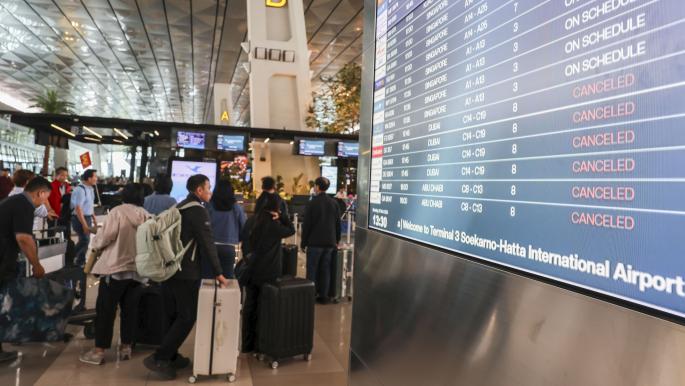
The President of the International Air Transport Association recently warned that the shortage of aircraft fuel could exacerbate crises in the aviation sector, threatening the summer travel season, which is one of the busiest periods for air transport.
He pointed out that low-cost airlines are the most vulnerable to this shortage, as they may be forced to cancel several flights due to insufficient fuel supplies. These developments come at a time when the aviation sector is witnessing a recovery after the COVID-19 pandemic, increasing concerns about the impact of fuel shortages on travel plans.
Details of the Situation
Concerns are growing that the aircraft fuel shortage could lead to significant disruptions in air travel, especially with the summer holiday season approaching. The President indicated that many airlines may struggle to meet the increasing demand for flights, potentially leading to higher prices or a reduction in the number of available flights.
He also added that the current situation requires urgent action from governments and relevant authorities to ensure adequate fuel supply and improve the necessary infrastructure to support the aviation sector. This warning serves as a wake-up call for the global aviation industry, which is striving to recover from the pandemic's effects.
Background & Context
The global aviation industry has faced numerous challenges in recent years, starting with the COVID-19 pandemic that led to a near-total halt in air travel, followed by rising fuel prices affecting operational costs. In this context, the aircraft fuel shortage is one of the most prominent issues facing airlines, especially amid rising travel demand.
Historically, the aviation industry has heavily relied on stable fuel prices, and any fluctuations in this market directly impact the profitability of companies. The past few years have seen several similar crises, making the current situation more complex.
Impact & Consequences
If the aircraft fuel shortage continues, it could lead to a significant increase in flight ticket prices, potentially deterring many travelers from flying. Additionally, flight cancellations could disrupt travel plans for families and individuals, increasing pressure on airlines.
Moreover, this crisis could result in job losses in the aviation sector, as companies may be forced to reduce their workforce due to declining demand. The impacts may also extend to tourism-related sectors, complicating the economic situation in many countries.
Regional Significance
The Arab region is among the areas most reliant on the aviation and tourism sectors, with airlines playing a crucial role in connecting Arab countries to the world. If the aircraft fuel crisis worsens, travel between Arab nations could be significantly affected, impacting tourism and local economies.
Additionally, Arab countries may face further challenges in attracting tourists, especially amid increasing competition from other tourist destinations. Therefore, it is essential for Arab governments to take proactive steps to ensure the stability of the aviation sector.
In conclusion, the aircraft fuel shortage poses a significant challenge to the global aviation industry, and all stakeholders must work together to overcome this crisis and ensure the sustainability of the aviation sector in the future.