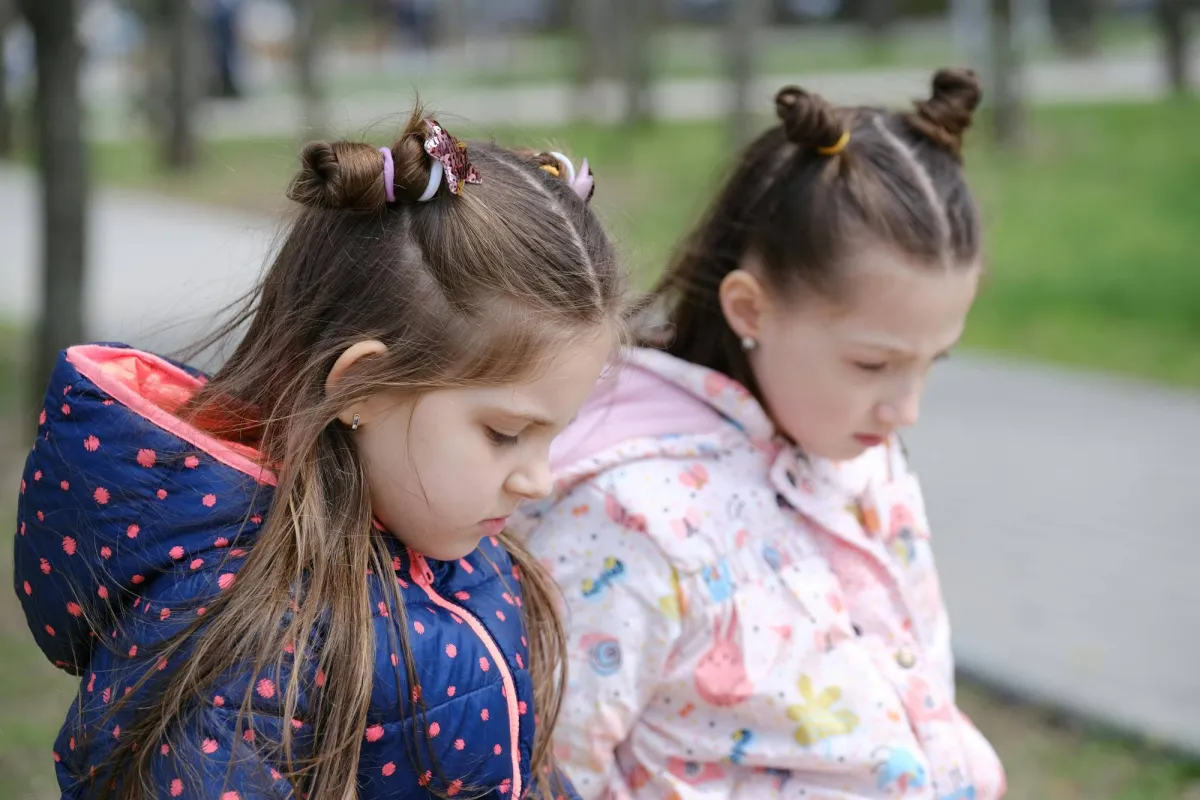
Children's self-esteem gradually develops through their daily experiences, how they handle challenges, and the support they receive from their surroundings. In a world filled with comparisons and pressures, paying attention to signs of low self-confidence in children becomes crucial, as this confidence can directly affect their happiness, performance, and future.
Sindra Kamfov, a mental performance coach, emphasizes the need for parents to pay special attention to their children's self-confidence and self-esteem levels if they wish to raise successful and balanced adults, according to a report published by CNBC.
Event Details
Kamfov, founder of the Mental Strength Institute, explains that "self-confidence is one of the strongest indicators of performance, happiness, and success." She adds, "Developing self-confidence is a lifelong journey, as we all face obstacles and challenges that can affect our self-perception."
Despite the importance of this aspect, most children do not openly express feelings of low self-esteem or their need for psychological support. Therefore, Kamfov advises parents to be attentive to indirect signs, whether in the child's speech or behavior. The way a child talks about themselves or their body language can reveal a lot about their internal feelings, especially if they seem hesitant or unable to express their true emotions.
Context and Background
Kamfov points out three warning signs that may indicate your child is struggling with low self-confidence and needs support:
1. Self-blame: A child who constantly blames themselves for failures or uses harsh phrases like, "I am a failure" or "I am very stupid," is showing clear signs of low self-esteem. This may extend to anticipating failure, such as believing they will not succeed in a test or will not be able to learn a new skill.
2. Comparison with peers: Kamfov notes that continuous comparison with peers, especially those who appear to be more successful, can be a clear indicator of low self-confidence. She clarifies that comparison is a natural behavior, but it becomes problematic when it turns into a constant standard for self-judgment.
3. Body language: Even in the absence of negative statements, body language can reflect what is going on inside the child. They may appear less energetic, tend to withdraw, or avoid participating in activities they previously enjoyed.
Consequences and Impact
These signs are significant indicators of the need for early intervention by parents. Addressing feelings of failure and anxiety positively can help enhance a child's self-confidence. Experts recommend teaching children how to recognize and label their feelings, making it easier for them to understand and cope with them better.
It is also important for parents to model positive emotional management by demonstrating healthy ways to handle stress and frustration, rather than suppressing them. Instead of demanding forced optimism from the child, they should be taught how to recognize and express their feelings.
Impact on the Arab Region
The psychological pressures on children in the Arab world are increasing due to social, economic, and political changes. Therefore, fostering self-confidence in children is essential to help them face future challenges. By understanding these signs, parents can provide the necessary support for their children, contributing to the development of a generation capable of adapting and succeeding.
In conclusion, parents must be aware of the importance of enhancing their children's self-confidence through psychological support and positive guidance, contributing to building a better future for them.