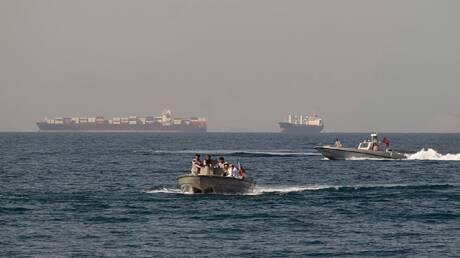
An Italian forum has warned that the increasing disruptions in the Strait of Hormuz could lead to the halt of approximately 3 million containers, threatening the stability of global supply chains. These warnings come at a critical time as this region is considered one of the most important maritime passages in the world, through which a significant percentage of oil and natural gas flows.
The Strait of Hormuz is a vital transit point, with around 20% of total global oil exports passing through it. Any disruptions in this corridor could have negative effects on the global economy, especially given the heavy reliance on energy from producing countries in the Arabian Gulf.
Details of the Event
Reports indicate that the disruptions in the Strait of Hormuz may be the result of political or military tensions, increasing the risks faced by commercial vessels. Some major companies have expressed concern over these situations, as a halt in shipping could lead to supply shortages and rising prices.
There are growing fears that these crises could exacerbate the economic situation in many countries that depend on these supplies. Additionally, any escalation in tensions could lead to unexpected reactions from major powers seeking to maintain stability in energy markets.
Background & Context
The Strait of Hormuz has long been a focal point for numerous political and military conflicts. Historically, the region has witnessed many crises that led to rising oil prices and market volatility. In recent years, tensions between Iran and Western countries have increased, making the area more sensitive.
These crises are part of a broader struggle between regional and international powers, each seeking to protect its interests. This situation makes the Strait of Hormuz a strategic point that requires close monitoring by the international community.
Impact & Consequences
If disruptions in the Strait of Hormuz continue, this could lead to increased shipping costs and rising prices for essential goods. Companies relying on supplies from this region may face significant challenges in meeting their needs.
The effects may also extend to financial markets, where disruptions could lead to a decline in market confidence, increasing volatility. Oil-importing countries may find themselves in a difficult position if these crises persist for an extended period.
Regional Significance
The Arab oil-producing countries are considered the most affected by these disruptions, as their economies heavily rely on oil exports. Any decline in shipping activity could directly impact government revenues and increase economic pressures.
Moreover, neighboring countries to the Strait of Hormuz may face increasing security challenges, necessitating enhanced security measures to protect maritime routes. This situation could lead to heightened regional tensions and increase the chances of new conflicts.
In conclusion, the situation in the Strait of Hormuz remains under observation, as any new developments could significantly impact the global economy and market stability. It is crucial for the concerned countries to cooperate to ensure maritime navigation security and maintain the stability of supply chains.