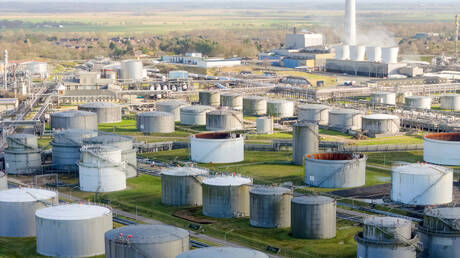
The Executive Director of the International Energy Agency, Fatih Birol, has warned that the oil supply crisis from the Middle East could escalate in April 2026, which will have a significant impact on the European economy. These warnings come at a time when the world is experiencing sharp fluctuations in energy prices, raising concerns about the stability of global markets.
The Middle East is a major source of oil, significantly contributing to meeting the energy needs of European countries. With increasing geopolitical tensions in the region, any disruption in supplies could lead to rising oil prices, negatively affecting economic growth in Europe.
Details of the Event
During a press conference, Birol pointed out that escalating tensions in the Gulf region, particularly around the Strait of Hormuz, could reduce the amounts of oil available to markets. The Strait of Hormuz is a vital transit point for about 20% of global oil supplies, and any threats to navigation security there could lead to unprecedented price increases.
Birol also added that the challenges facing Europe in securing energy supplies will increase in the coming years, necessitating new strategies to deal with these crises. He emphasized that European countries need to diversify their energy sources and reduce reliance on oil and gas from the Middle East.
Background & Context
In recent years, there has been a rise in tensions between major countries in the Middle East, affecting the stability of oil markets. In 2019, Saudi oil facilities were attacked, leading to a significant spike in oil prices. Additionally, sanctions imposed on Iran have reduced oil supplies from that country, increasing pressure on the markets.
Historically, Europe has heavily relied on oil and gas from the Middle East, but with increasing environmental and economic challenges, European countries have begun to seek alternatives in renewable energy. However, rapid shifts in energy policies may not be sufficient to avoid future crises.
Impact & Consequences
If the oil supply crisis worsens, it could lead to rising fuel prices in Europe, affecting the cost of living and economic growth. The industrial and transportation sectors are expected to be particularly affected, as these sectors heavily depend on energy supplies.
Moreover, recurring crises in oil supplies may increase pressure on European governments to provide financial support to affected citizens and businesses, potentially exacerbating public budget deficits.
Regional Significance
Arab oil-producing countries, such as Saudi Arabia and the UAE, are among the most affected by fluctuations in oil prices. Any increase in prices could lead to higher oil revenues, but at the same time, any disruption in supplies could negatively impact the stability of these countries.
Additionally, tensions in the region could lead to political repercussions, as pressures may increase on governments to address the economic and social crises resulting from rising energy prices.
In conclusion, the current situation requires both European and Arab countries to take proactive steps to address future energy challenges, ensuring market stability and achieving sustainable development.