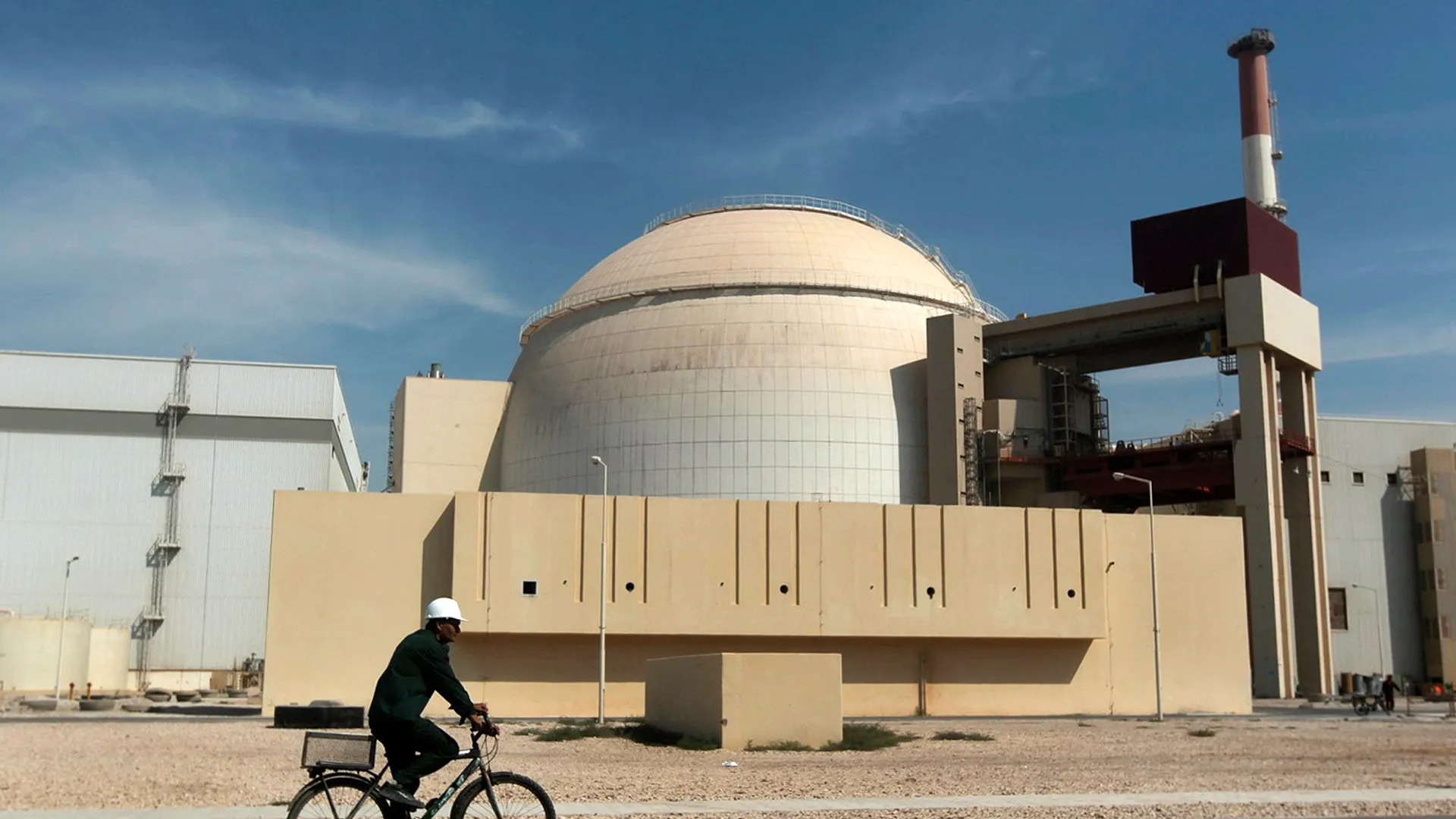
Concerns are escalating in the Middle East regarding the possibility of the United States and Israel targeting Iran's Bushehr nuclear power plant amid rising military tensions between these parties and Iran. Warnings indicate that any attack on this facility could result in an environmental and humanitarian catastrophe with repercussions extending to neighboring countries.
In this context, the International Atomic Energy Agency (IAEA) has cautioned that targeting the Bushehr plant could lead to a "serious radiological accident with grave consequences for the population and the environment in Iran and beyond." This warning followed military strikes near the plant, marking the fourth bombardment since the onset of the U.S.-Israeli war against Iran on February 28.
Details of the Incident
The agency based its assessment on an independent analysis of recent satellite images, which revealed that one of the strikes occurred just **75 meters** from the facility. Although the agency confirmed that the plant itself had not sustained damage, the head of the Iranian Atomic Energy Organization, Mohammad Eslami, reported that the recent attack caused damage to one of the plant's buildings, resulting in the death of a security personnel and injuries to others.
The Bushehr plant is considered one of the most significant nuclear facilities in the Middle East, housing an active reactor filled with substantial amounts of high-radiation nuclear fuel. Should the cooling systems within the plant be bombed or if there is a power outage, it could lead to overheating of the nuclear fuel and potential meltdown, signaling a wide-ranging environmental and humanitarian disaster.
Background & Context
The Bushehr plant commenced operations in **2011**, marking it as the first civilian nuclear power plant in the Middle East and one of the most complex projects in the history of Iran's nuclear program. It is the only operational facility for generating electricity from nuclear energy in Iran, producing **1,000 megawatts** of electricity, which covers only a small fraction of the country's needs.
Located on the coast of the Arabian Gulf, the plant is over **760 kilometers** from the capital, Tehran. Social media users have agreed on the dangers posed by the U.S.-Israeli bombardment of the Bushehr plant, with a segment from the program "Networks" capturing this discussion. Many users highlighted the potential risks, citing previous disasters such as Chernobyl and Fukushima.
Impact & Consequences
The risks associated with the Bushehr plant extend beyond Iranian borders, as any radiological incident could impact neighboring countries, threatening the lives of millions. Additionally, targeting the plant constitutes a violation of international laws, particularly the Fourth Geneva Convention, which prohibits attacks on nuclear facilities.
The warnings about potential risks come at a sensitive time as tensions in the region are escalating, raising concerns about the outbreak of a larger conflict that could lead to unforeseen consequences. Furthermore, the withdrawal of Russian experts from the plant heightens concerns about its safety, complicating the situation further.
Regional Significance
The risks associated with the Bushehr nuclear plant are a matter of concern for all countries in the region, as any incident could lead to serious environmental and health repercussions. The military escalation in the area could destabilize neighboring countries, raising fears of political and economic fallout.
In conclusion, the current situation at the Bushehr plant requires urgent international attention, as any escalation could lead to a humanitarian and environmental disaster that cannot be overlooked. It is crucial that international efforts are combined to protect nuclear facilities from any potential threats, ensuring the safety of peoples in the region.