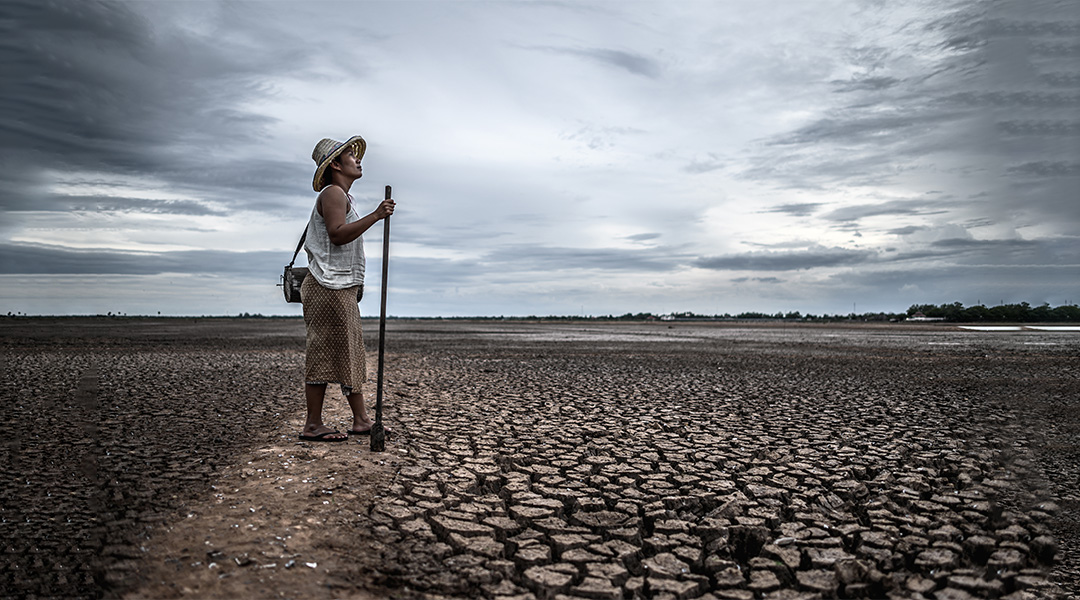
The Indonesian National Planning Agency (Bappenas) has issued a warning that the giant El Niño phenomenon, referred to as 'Godzilla El Nino', may have a substantial impact on Indonesia in 2026. This warning was made during a meeting to discuss regional planning in the city of Padang, where the agency's Deputy Head, Medrilzam, emphasized the need for local governments to prepare for this climatic phenomenon.
Medrilzam pointed out that this phenomenon could lead to negative effects across several sectors, particularly agriculture, necessitating proactive steps from all levels of government, from the national to the village level. He added that the warnings came after meteorological experts reported potential risks associated with this phenomenon.
Details of the Event
During the meeting, Medrilzam clarified that Indonesia has experienced natural disasters in recent years, such as floods and landslides, which heightens the need for preparedness against severe climatic phenomena. He stressed the importance of implementing preventive measures to counter the risks of fires, forest degradation, and drought that may arise from the giant El Niño.
Officials also called for enhanced coordination among various government entities to ensure an effective and swift response to any challenges that may arise due to this phenomenon. He noted that early preparation could prevent a recurrence of the disasters that struck the country in 2015.
Background & Context
The El Niño phenomenon is a climatic event characterized by rising sea surface temperatures in the Pacific Ocean, which affects weather patterns globally. Indonesia, being located near the equator, is particularly susceptible to this phenomenon, leading to significant climate changes that impact agriculture and water resources.
In past years, Indonesia has faced several natural disasters linked to El Niño, resulting in crop losses and rising food prices. Therefore, the current warnings come at a critical time as the country seeks to recover from the impacts of recent floods and landslides.
Impact & Consequences
If necessary actions are not taken, the effects of the giant El Niño could be devastating. It is expected to lead to a shortage of agricultural crops, which may increase food prices and threaten the country's food security. Additionally, fires that may result from drought conditions will negatively impact the environment and elevate carbon emissions.
These challenges require a comprehensive response from the government and civil society, where clear emergency plans and farmer education on how to cope with severe climatic conditions are essential. Early preparedness can mitigate potential damages and enhance recovery capabilities.
Regional Significance
The Arab region is also affected by climate changes, with many countries suffering from drought and rising temperatures. Indonesia's experiences in dealing with the El Niño phenomenon can serve as an important lesson for Arab countries on how to prepare for climatic challenges.
Moreover, regional cooperation in information and experience sharing can enhance Arab nations' ability to better tackle climatic challenges, contributing to food security and environmental sustainability.