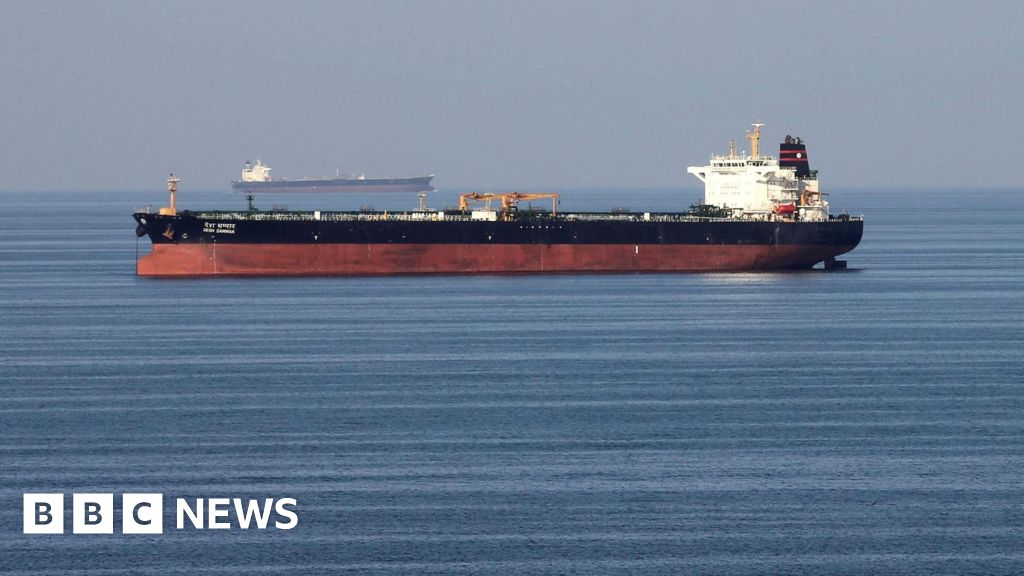
The International Maritime Organization (IMO) stated in a press release on Monday that the situation in the waters of the Strait of Hormuz remains volatile, necessitating additional precautionary measures for vessels operating in the area. The organization's spokesperson emphasized that ships must be on high alert and should not take risks without guarantees of safety.
According to information published by the organization, there have been 24 confirmed attacks on ships in the region as of April 19, leading to the deaths of 10 sailors. These incidents reflect escalating tensions in one of the world's most vital maritime corridors.
Details of the Situation
The Strait of Hormuz is a major transit point for oil and natural gas, with approximately 20% of total global oil exports passing through it. In recent years, the region has witnessed an increase in military activities and political tensions, adversely affecting maritime navigation.
The recent warnings from the International Maritime Organization come at a sensitive time, reflecting growing concerns over the rise in attacks on commercial vessels. The organization has called for dialogue and international cooperation to alleviate tensions in the region.
Background & Context
In recent years, the Strait of Hormuz has seen rising tensions between Iran and Western countries, particularly the United States. These tensions have led to increased military activities in the area, impacting maritime navigation and raising fears of escalating conflict.
Historically, the region has been the theater of numerous conflicts, having witnessed wars and ongoing disputes. With the increasing importance of energy, control over the Strait of Hormuz has become vital for many nations.
Impact & Consequences
The implications of the current situation in the Strait of Hormuz extend beyond the region, potentially affecting global oil prices and the stability of financial markets. Any escalation in tensions could lead to rising oil prices, impacting the global economy.
Furthermore, the ongoing attacks on commercial vessels may result in changes to shipping and insurance strategies, increasing transportation costs and affecting international trade.
Regional Significance
The situation in the Strait of Hormuz is critical for maritime security and the global economy, as it represents one of the most important maritime routes for oil transportation. The region's stability is essential for ensuring the smooth flow of energy supplies worldwide.
In conclusion, the rising tensions in the Strait of Hormuz necessitate urgent attention and action from the international community to ensure the safety of maritime navigation and the stability of global markets.