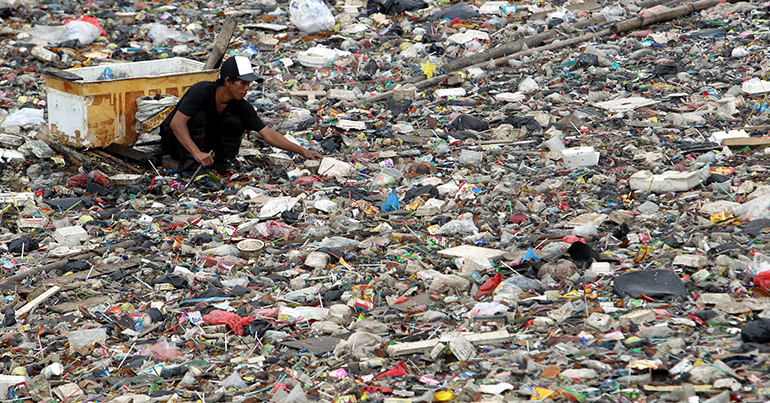
An Indonesian parliamentary trade committee member, Fernando Ganindo, has alerted the government to the urgent need for intervention to protect small and medium enterprises from the steep rise in plastic prices. He noted that prices have more than doubled, putting pressure on profit margins for these businesses and placing them in a difficult position, as they cannot raise product prices without losing customers.
In statements made in Jakarta, Ganindo emphasized that the current situation is not merely a normal price increase but a genuine pressure on production costs, necessitating an immediate response from the government. He explained that the Ministry of Trade must take strategic steps to control prices and ensure the availability of raw materials in the local market.
Details of the Situation
Ganindo clarified that the rise in plastic prices is due to disruptions in global supply chains and the petrochemical industry. He pointed out that this phenomenon reflects what is known as cost-push inflation, where companies are forced to bear additional burdens due to increased input costs.
He added that small and medium enterprises are the most vulnerable due to their limited negotiating power and access to alternative raw materials. Therefore, it is crucial for the government to take swift action to ensure market stability.
Background & Context
Historically, Indonesia has faced numerous economic challenges that have impacted the small and medium enterprise sector, which is considered the backbone of the national economy. With increasing global economic pressures, it has become essential for the government to adopt effective policies to protect this vital sector.
Small and medium enterprises in Indonesia are a major source of jobs and economic growth. However, challenges such as rising raw material costs and pressure on profit margins threaten their sustainability. Thus, timely government intervention can significantly impact the stability of this sector.
Impact & Consequences
If the government does not intervene urgently, the economic situation for small and medium enterprises may worsen, potentially reducing their ability to survive in the market. This situation could also contribute to rising unemployment rates in the country, as many individuals rely on these enterprises as a primary source of income.
Furthermore, continued increases in plastic prices could lead to heightened inflation in the informal sector, placing additional pressures on consumers. Therefore, taking swift and effective action is vital to maintaining economic stability.
Regional Significance
The Arab region is also affected by fluctuations in raw material prices, including plastics. With increasing reliance on these materials across various industries, any price increase could impact production costs and lead to higher prices in Arab markets.
Thus, Arab countries must adopt effective strategies to address these challenges, including enhancing local production and reducing reliance on imports. Additionally, cooperation among Arab countries in trade can contribute to greater price stability.