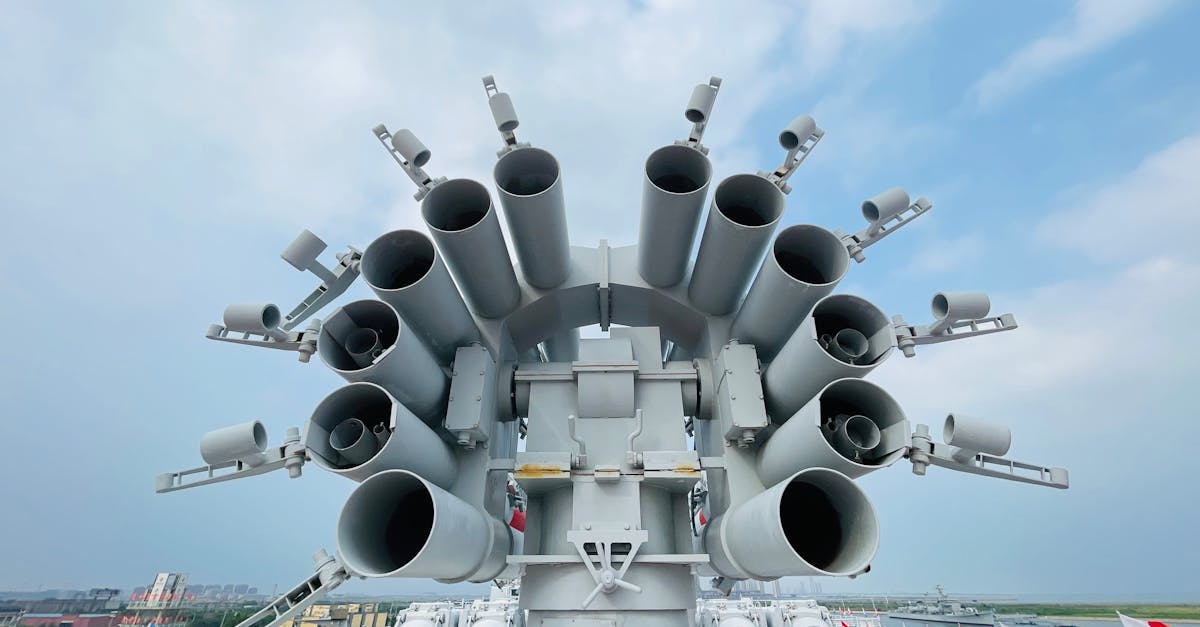
Recent reports indicate that the United States has begun redirecting most of its long-range stealth missiles towards Iran, a move that reflects the rising military tensions between the two parties. This step comes at a sensitive time, as concerns about a potential military escalation in the region are increasing, raising alarms among many nations.
Stealth missiles are considered advanced weapons capable of evading air defense systems, making them an effective tool in any military conflict. According to available information, these missiles are part of a broader strategy by the United States aimed at enhancing its military presence in the Middle East.
Details of the Event
Reports suggest that the United States has transferred a significant number of its stealth missiles to its military bases in the region, reflecting its commitment to protecting its interests and those of its allies. This move comes amid rising tensions between the United States and Iran, especially following a series of military incidents and mutual threats between the two sides.
Iran is considered one of the most prominent security challenges facing the United States in the Middle East, as Tehran seeks to enhance its influence in the region by supporting armed groups and developing its nuclear programs. In this context, Washington aims to send a clear message to Tehran that it will not hesitate to use force if necessary.
Background & Context
Historically, relations between the United States and Iran have experienced ongoing tensions since the Islamic Revolution in 1979. These tensions have notably escalated in recent years, particularly after the United States withdrew from the Iranian nuclear agreement in 2018. Since then, Washington has imposed strict economic sanctions on Iran, significantly impacting its economy.
In recent years, Iran has taken steps to enhance its military capabilities, including the development of long-range missiles. This has raised concerns among the United States and its allies in the region, prompting them to bolster their military presence as a means of responding to Iranian threats.
Impact & Consequences
This step by the United States could escalate tensions in the region, as Iran may feel threatened, prompting it to take retaliatory actions. Additionally, this move could affect relations between the United States and its allies in the region, as it may require enhanced military cooperation to address shared challenges.
Moreover, these developments could lead to increased tensions between Iran and other countries in the region, such as Saudi Arabia and Israel, raising the likelihood of new conflicts. In this context, the international community must be aware of the potential ramifications of this move and seek diplomatic solutions to avoid escalation.
Regional Significance
These developments are particularly significant for Arab countries, as they may affect the overall stability of the region. Amid rising tensions between the United States and Iran, neighboring Arab countries may be directly impacted, increasing the likelihood of new conflicts.
Furthermore, the bolstering of the U.S. military presence in the region could lead to heightened tensions between Arab states and Iran, necessitating proactive measures by these countries to protect their interests. In this context, Arab nations must work to enhance cooperation among themselves to address common security challenges.
In conclusion, these developments reflect the ongoing tensions in the Middle East, where relations between the United States and Iran remain a key focal point of strife. It is crucial for Arab countries to stay informed about these developments and strive to enhance regional stability through cooperation and diplomacy.